
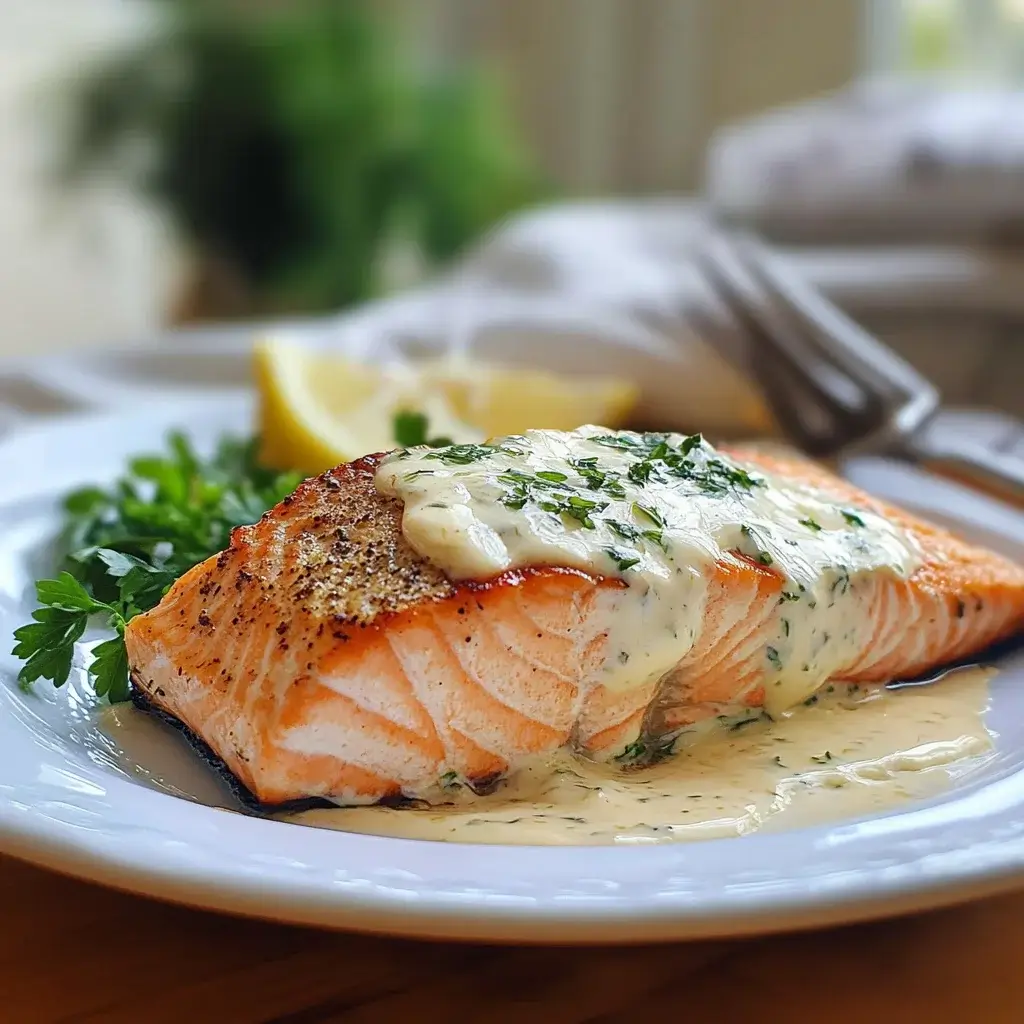

Let’s be honest, the words “mayonnaise” and “salmon” might not immediately scream culinary masterpiece to everyone. I’ll admit, even I was a little skeptical the first time I encountered this recipe. Baked salmon is a staple in my household – it’s healthy, quick, and generally a crowd-pleaser. But mayonnaise? On fish? My initial reaction was a raised eyebrow and a slight hesitation. However, curiosity (and a desire for a super easy weeknight dinner) got the better of me. And let me tell you, I am SO glad it did.
This Baked Salmon with Mayonnaise recipe has become a surprising favorite in my kitchen. It’s ridiculously simple, requiring minimal ingredients and virtually no culinary expertise. But the magic lies in the mayonnaise. Instead of making the salmon greasy or heavy, the mayonnaise creates an incredibly moist and tender fish that is bursting with flavor. It forms a protective, flavorful barrier during baking, preventing the salmon from drying out and infusing it with a subtle richness. The lemon and garlic in the mayonnaise mixture brighten everything up, cutting through any potential heaviness and creating a perfectly balanced dish. My family, who can sometimes be a tough crowd when it comes to fish, absolutely devoured it. Even my youngest, who usually picks at her dinner, asked for seconds! If you’re looking for a foolproof way to cook salmon that is guaranteed to be moist, flavorful, and incredibly easy, you absolutely must try this Baked Salmon with Mayonnaise recipe. Prepare to be converted – mayonnaise and salmon are a match made in culinary heaven!
Ingredients
The beauty of this Baked Salmon with Mayonnaise recipe lies in its simplicity. You only need a handful of everyday ingredients to create a dish that tastes far more complex than it is. Here’s what you’ll need to gather to unlock the secret to perfectly baked salmon:
- Salmon Fillets: 4 (about 6 ounces each) salmon fillets, skin on or off, your preference. Look for fresh, high-quality salmon fillets. Sockeye, Coho, or Atlantic salmon all work beautifully. If using frozen salmon, ensure it is fully thawed before cooking and pat it dry with paper towels to remove excess moisture.
- Mayonnaise: ½ cup mayonnaise. Use your favorite brand of full-fat mayonnaise for the best flavor and richness. While light mayonnaise can be used to reduce fat content, full-fat mayonnaise will provide a creamier texture and richer taste. Avoid salad dressing or “mayonnaise-style dressing” as they have a different flavor profile and may not work as well.
- Lemon Juice: 2 tablespoons fresh lemon juice. Freshly squeezed lemon juice is essential for its bright, zesty flavor that complements the richness of the salmon and mayonnaise. Bottled lemon juice can be used in a pinch, but fresh is always superior.
- Garlic: 2 cloves garlic, minced. Fresh garlic is crucial for adding a pungent and savory depth to the mayonnaise mixture. Mince the garlic finely to ensure it distributes evenly and infuses the salmon with flavor. Garlic powder can be used as a substitute in a pinch (about ½ teaspoon), but fresh garlic offers a much more vibrant flavor.
- Fresh Dill: 2 tablespoons fresh dill, chopped. Fresh dill is a classic herb pairing for salmon, adding a delicate, slightly citrusy, and herbaceous note. Chop the dill finely to release its aroma and flavor. Dried dill can be used as a substitute (about 2 teaspoons), but fresh dill provides a brighter, more vibrant flavor.
- Fresh Parsley: 1 tablespoon fresh parsley, chopped (optional, but recommended). Fresh parsley adds a touch of freshness and herbaceousness that complements the dill and lemon. Chopped parsley also adds a visual appeal to the finished dish. Dried parsley can be used as a substitute (about 1 teaspoon), but fresh parsley is preferred for its brighter flavor.
- Salt: ½ teaspoon salt, or to taste. Salt enhances the flavors of all the ingredients and seasons the salmon perfectly. Use kosher salt or sea salt for the best flavor.
- Black Pepper: ¼ teaspoon black pepper, or to taste. Freshly ground black pepper adds a subtle warmth and spice that complements the other flavors. Use freshly ground black pepper for the most aromatic and flavorful result.
Optional Ingredients & Variations:
- Dijon Mustard: For a touch of tang and complexity, add 1 teaspoon of Dijon mustard to the mayonnaise mixture. Dijon mustard pairs beautifully with salmon and adds a subtle depth of flavor.
- Chili Flakes: For a hint of spice, add a pinch of red pepper flakes (chili flakes) to the mayonnaise mixture. This will add a subtle warmth without making the dish overly spicy.
- Lemon Zest: For an extra burst of lemon flavor, add the zest of ½ lemon to the mayonnaise mixture. Lemon zest contains the lemon’s essential oils and provides a more intense citrus aroma and flavor.
- Different Herbs: Experiment with other fresh herbs such as thyme, chives, or tarragon instead of or in addition to dill and parsley. Each herb will impart a slightly different flavor profile to the salmon.
- Parmesan Cheese: For a cheesy topping, sprinkle grated Parmesan cheese over the mayonnaise-coated salmon before baking. The Parmesan will melt and create a crispy, savory crust.
- Panko Breadcrumbs: For added texture, mix 1-2 tablespoons of panko breadcrumbs with the mayonnaise mixture. The panko will create a slightly crunchy topping when baked.
Instructions
This Baked Salmon with Mayonnaise recipe is incredibly straightforward and requires minimal effort. Follow these simple steps to achieve perfectly cooked, moist, and flavorful salmon every time:
- Preheat Oven and Prepare Baking Sheet: Preheat your oven to 400°F (200°C). Line a baking sheet with parchment paper or aluminum foil for easy cleanup. Parchment paper is preferred as it prevents the salmon from sticking and is more environmentally friendly.
- Prepare the Mayonnaise Mixture: In a small bowl, combine the mayonnaise, fresh lemon juice, minced garlic, chopped fresh dill, chopped fresh parsley (if using), salt, and black pepper. Mix all ingredients together thoroughly until well combined. Taste and adjust seasoning as needed, adding more salt, pepper, or lemon juice to your preference. This mayonnaise mixture is the key to the recipe’s success, infusing the salmon with flavor and moisture.
- Prepare the Salmon Fillets: Pat the salmon fillets dry with paper towels. This step is important to remove any excess moisture and help the mayonnaise mixture adhere to the salmon. Place the salmon fillets on the prepared baking sheet, skin-side down if using skin-on fillets. Ensure the fillets are spaced evenly on the baking sheet to allow for even cooking.
- Coat Salmon with Mayonnaise Mixture: Generously spread the mayonnaise mixture evenly over the top of each salmon fillet. Ensure the entire top surface of each fillet is coated with the mayonnaise mixture. Don’t be shy with the mayonnaise – it will create a delicious, flavorful crust and keep the salmon moist. If you have any leftover mayonnaise mixture, you can drizzle it over the salmon after baking for extra flavor.
- Bake the Salmon: Place the baking sheet with the salmon in the preheated oven and bake for 12-15 minutes, or until the salmon is cooked through and flakes easily with a fork. Baking time will vary slightly depending on the thickness of your salmon fillets. Start checking for doneness around 12 minutes and adjust baking time accordingly. The salmon is done when it is opaque and flakes easily when gently pressed with a fork. Avoid overbaking the salmon, as it will become dry.
- Check for Doneness: To check if the salmon is cooked through, gently flake a piece of salmon with a fork. If it flakes easily and is opaque throughout, it is done. Another way to check is to use a meat thermometer – the internal temperature of cooked salmon should reach 145°F (63°C).
- Serve Immediately: Once the salmon is cooked, remove it from the oven and let it rest for a minute or two before serving. This allows the juices to redistribute and makes the salmon even more moist and flavorful. Garnish with extra fresh dill sprigs or lemon wedges, if desired, and serve immediately while hot.
Tips for Perfect Baked Salmon:
- Don’t Overbake: Overbaking is the most common mistake when cooking salmon, leading to dry and tough fish. Keep a close eye on the salmon while baking and remove it from the oven as soon as it is cooked through.
- Use Fresh Salmon: While frozen salmon can be used, fresh salmon generally has a better texture and flavor. If using frozen salmon, ensure it is fully thawed and patted dry before cooking.
- Pat Salmon Dry: Patting the salmon fillets dry with paper towels before applying the mayonnaise mixture helps the mixture adhere better and promotes browning.
- Evenly Coat with Mayonnaise: Ensure each salmon fillet is evenly coated with the mayonnaise mixture for consistent flavor and moisture.
- Adjust Baking Time: Baking time will vary depending on the thickness of the salmon fillets. Thicker fillets will require slightly longer baking times. Adjust baking time accordingly and check for doneness regularly.
Nutrition Facts (per Serving)
The nutritional information provided below is an estimate and can vary based on the specific size of the salmon fillets, brand of mayonnaise, and other ingredient variations. This information is intended as a general guide only.
Servings: 4 servings (1 salmon fillet per serving)
Per Serving (Estimated):
- Calories: 400-500 kcal
- Protein: 35-40g
- Fat: 25-35g
- Saturated Fat: 5-7g
- Omega-3 Fatty Acids: 2-3g (from salmon)
- Carbohydrates: 2-3g
- Sugars: <1g
- Fiber: <1g
- Sodium: 300-400mg (depending on mayonnaise and salt)
Key Nutritional Highlights:
- Excellent Source of Protein: Salmon is a powerhouse of protein, essential for building and repairing tissues, supporting muscle growth, and overall bodily functions.
- Rich in Omega-3 Fatty Acids: Salmon is one of the best sources of omega-3 fatty acids (EPA and DHA), which are crucial for heart health, brain function, reducing inflammation, and supporting healthy joints.
- Good Source of Vitamin D: Salmon is naturally rich in vitamin D, which is important for bone health, immune function, and calcium absorption.
- Source of B Vitamins: Salmon provides various B vitamins, including vitamin B12, niacin (B3), and vitamin B6, which are essential for energy production, nerve function, and cell metabolism.
- Contains Selenium: Salmon is a good source of selenium, an antioxidant mineral that plays a role in thyroid function and immune health.
Regarding Mayonnaise and Fat Content:
While mayonnaise does contribute to the fat content of this dish, it’s important to note that the fats in mayonnaise are primarily unsaturated fats, which are considered healthier fats compared to saturated fats. When used in moderation, mayonnaise can be part of a balanced diet. The mayonnaise in this recipe also contributes to the moistness and flavor of the salmon, making it a more appealing and enjoyable way to consume this healthy fish.
Tips for a Healthier Version:
- Use Light Mayonnaise: To reduce the fat content, you can use light mayonnaise. However, be aware that light mayonnaise may have a slightly different texture and flavor than full-fat mayonnaise.
- Increase Lemon Juice and Herbs: Enhance the flavor with more lemon juice and fresh herbs to minimize reliance on mayonnaise for flavor.
- Serve with Healthy Sides: Pair the baked salmon with plenty of vegetables, whole grains, or salads to create a balanced and nutritious meal.
Preparation Time
This recipe is perfect for busy weeknights because it requires minimal preparation and cooks quickly. Here’s a breakdown of the preparation and cooking times:
- Preparation Time: 10-15 minutes (This includes prepping the mayonnaise mixture, patting salmon dry, and coating the salmon).
- Cooking Time: 12-15 minutes
- Total Time: Approximately 22-30 minutes
Tips to Speed Up Preparation:
- Use Pre-minced Garlic: If you’re really short on time, you can use pre-minced garlic from a jar instead of mincing fresh garlic.
- Prepare Mayonnaise Mixture Ahead: You can prepare the mayonnaise mixture up to a day in advance and store it in an airtight container in the refrigerator. This will save you a few minutes during the final preparation.
- Pre-chop Herbs: Chop the fresh dill and parsley in advance and store them in an airtight container in the refrigerator.
How to Serve
Baked Salmon with Mayonnaise is a versatile dish that can be served in numerous ways. Its rich flavor and moist texture make it a delightful centerpiece for a variety of meals. Here are some serving suggestions to inspire your next salmon dinner:
- Classic Sides:
- Roasted Vegetables: Serve alongside roasted vegetables like asparagus, broccoli, Brussels sprouts, carrots, or bell peppers for a healthy and colorful meal.
- Steamed Green Vegetables: Steamed green beans, peas, or spinach are simple and nutritious side dishes that complement the salmon beautifully.
- Rice or Quinoa: Serve over a bed of fluffy white rice, brown rice, or quinoa to soak up the delicious flavors and create a more substantial meal.
- Mashed Potatoes or Sweet Potatoes: Creamy mashed potatoes or sweet potatoes provide a comforting and satisfying side dish.
- Pasta: Serve with a light pasta dish, such as lemon butter pasta or pasta primavera, for a heartier meal.
- Salads:
- Green Salad with Vinaigrette: A simple green salad with a light vinaigrette dressing provides a refreshing contrast to the richness of the salmon.
- Cucumber and Tomato Salad: A classic cucumber and tomato salad adds freshness and lightness.
- Mediterranean Salad: A Mediterranean salad with olives, feta cheese, and vegetables pairs well with the lemon and herb flavors of the salmon.
- Sauces and Garnishes:
- Lemon Wedges: Always serve with lemon wedges for squeezing extra fresh lemon juice over the salmon.
- Tartar Sauce: Tartar sauce is a classic accompaniment to fish and provides a creamy and tangy contrast.
- Dill Sauce or Yogurt Sauce: A simple dill sauce or yogurt sauce with dill and lemon can enhance the herb flavors of the salmon.
- Fresh Herb Garnish: Garnish with extra fresh dill sprigs, parsley, or chives for visual appeal and a burst of fresh flavor.
- Chopped Capers: Sprinkle chopped capers over the salmon for a briny and salty touch.
- Serving Styles:
- Dinner Plate: Serve as a classic dinner plate with a side dish or two.
- Salmon Bowls: Create healthy and vibrant salmon bowls by serving the baked salmon over rice or quinoa with roasted or fresh vegetables and a flavorful sauce.
- Salmon Tacos or Wraps: Flake the baked salmon and use it as a filling for tacos or wraps with your favorite toppings like slaw, avocado, and salsa.
- Salmon Salad: Flake the leftover baked salmon and use it to make a delicious salmon salad for sandwiches, wraps, or lettuce cups.
Additional Tips for the Best Baked Salmon with Mayonnaise
To elevate your Baked Salmon with Mayonnaise from great to exceptional, consider these five additional tips:
- Choose High-Quality Salmon: The quality of your salmon directly impacts the final dish. Opt for fresh, sustainably sourced salmon fillets whenever possible. Look for salmon that is vibrant in color, firm to the touch, and has a fresh, ocean-like smell. If using frozen salmon, ensure it is thawed properly and is of good quality.
- Don’t Overcrowd the Baking Sheet: Ensure the salmon fillets are spaced evenly on the baking sheet and not overcrowded. Overcrowding can steam the salmon instead of baking it, resulting in uneven cooking and less browning. If you are cooking a large batch, use two baking sheets or bake in batches.
- Use Room Temperature Salmon: While not essential, allowing the salmon fillets to sit at room temperature for about 15-20 minutes before baking can help them cook more evenly. This is especially helpful if your salmon fillets are very cold straight from the refrigerator.
- Experiment with Mayonnaise Flavors: Don’t be afraid to experiment with different flavors of mayonnaise to create unique variations of this recipe. Try using flavored mayonnaises like roasted garlic mayonnaise, chipotle mayonnaise, or pesto mayonnaise for a different flavor profile. You can also easily make your own flavored mayonnaise by adding ingredients like sriracha, herbs, or spices to plain mayonnaise.
- Broil for Extra Browning (Optional): If you prefer a more browned and slightly crispy topping on your salmon, you can broil it for the last 1-2 minutes of baking. Keep a very close eye on the salmon while broiling to prevent burning, as broiling can quickly char the surface. Broiling is optional but can add a nice textural element to the dish.
Frequently Asked Questions (FAQ) About Baked Salmon with Mayonnaise
Here are some common questions and answers to help you confidently prepare and enjoy Baked Salmon with Mayonnaise:
Q1: Can I use frozen salmon for this recipe?
A1: Yes, you can use frozen salmon fillets. Ensure the salmon is completely thawed before cooking. The best way to thaw frozen salmon is to place it in the refrigerator overnight. For quicker thawing, you can place the sealed salmon fillets in a zip-lock bag and submerge them in cold water for about 30-60 minutes, changing the water every 15 minutes. Pat the thawed salmon fillets thoroughly dry with paper towels before proceeding with the recipe to remove excess moisture.
Q2: Can I use different herbs besides dill and parsley?
A2: Absolutely! Feel free to experiment with different fresh herbs to customize the flavor of your Baked Salmon with Mayonnaise. Excellent alternatives or additions include: fresh thyme, fresh rosemary (use sparingly as it has a strong flavor), fresh chives, fresh tarragon, or even a sprinkle of dried Italian herbs. Choose herbs that you enjoy and that complement the lemon and garlic flavors.
Q3: Can I add cheese to this recipe?
A3: Yes, you can add cheese for a cheesy Baked Salmon with Mayonnaise. Grated Parmesan cheese is a popular choice and adds a savory, nutty flavor and a slightly crispy crust when baked. Sprinkle grated Parmesan cheese over the mayonnaise-coated salmon fillets before baking, or during the last 5-10 minutes of baking. Other cheese options include shredded cheddar, mozzarella, or Gruyere, depending on your preference.
Q4: How should I store leftover Baked Salmon with Mayonnaise?
A4: Store leftover Baked Salmon with Mayonnaise in an airtight container in the refrigerator for up to 3-4 days. To reheat, you can gently warm it in the oven at 300°F (150°C) until heated through, or microwave it in short intervals until warm. Be mindful that reheating may slightly dry out the salmon, so avoid over-reheating. Leftover baked salmon is also delicious cold in salads or sandwiches.
Q5: Is mayonnaise on salmon healthy?
A5: When used in moderation as part of a balanced diet, mayonnaise on salmon can be perfectly acceptable and even contribute to a more enjoyable and flavorful way to consume this healthy fish. Mayonnaise does contain fat, but it’s primarily unsaturated fat, which is considered healthier than saturated fat. This recipe uses a moderate amount of mayonnaise, and the health benefits of salmon, particularly its omega-3 fatty acids, protein, and vitamins, still make it a nutritious meal choice. If you are concerned about fat content, you can use light mayonnaise or adjust the amount of mayonnaise used. Focus on balancing your meal with plenty of vegetables and whole grains for a healthy and satisfying dinner.
Print
Baked Salmon With Mayonnaise recipe
Ingredients
- Salmon Fillets: 4 (about 6 ounces each) salmon fillets, skin on or off, your preference. Look for fresh, high-quality salmon fillets. Sockeye, Coho, or Atlantic salmon all work beautifully. If using frozen salmon, ensure it is fully thawed before cooking and pat it dry with paper towels to remove excess moisture.
- Mayonnaise: ½ cup mayonnaise. Use your favorite brand of full-fat mayonnaise for the best flavor and richness. While light mayonnaise can be used to reduce fat content, full-fat mayonnaise will provide a creamier texture and richer taste. Avoid salad dressing or “mayonnaise-style dressing” as they have a different flavor profile and may not work as well.
- Lemon Juice: 2 tablespoons fresh lemon juice. Freshly squeezed lemon juice is essential for its bright, zesty flavor that complements the richness of the salmon and mayonnaise. Bottled lemon juice can be used in a pinch, but fresh is always superior.
- Garlic: 2 cloves garlic, minced. Fresh garlic is crucial for adding a pungent and savory depth to the mayonnaise mixture. Mince the garlic finely to ensure it distributes evenly and infuses the salmon with flavor. Garlic powder can be used as a substitute in a pinch (about ½ teaspoon), but fresh garlic offers a much more vibrant flavor.
- Fresh Dill: 2 tablespoons fresh dill, chopped. Fresh dill is a classic herb pairing for salmon, adding a delicate, slightly citrusy, and herbaceous note. Chop the dill finely to release its aroma and flavor. Dried dill can be used as a substitute (about 2 teaspoons), but fresh dill provides a brighter, more vibrant flavor.
- Fresh Parsley: 1 tablespoon fresh parsley, chopped (optional, but recommended). Fresh parsley adds a touch of freshness and herbaceousness that complements the dill and lemon. Chopped parsley also adds a visual appeal to the finished dish. Dried parsley can be used as a substitute (about 1 teaspoon), but fresh parsley is preferred for its brighter flavor.
- Salt: ½ teaspoon salt, or to taste. Salt enhances the flavors of all the ingredients and seasons the salmon perfectly. Use kosher salt or sea salt for the best flavor.
- Black Pepper: ¼ teaspoon black pepper, or to taste. Freshly ground black pepper adds a subtle warmth and spice that complements the other flavors. Use freshly ground black pepper for the most aromatic and flavorful result.
Instructions
- Preheat Oven and Prepare Baking Sheet: Preheat your oven to 400°F (200°C). Line a baking sheet with parchment paper or aluminum foil for easy cleanup. Parchment paper is preferred as it prevents the salmon from sticking and is more environmentally friendly.
- Prepare the Mayonnaise Mixture: In a small bowl, combine the mayonnaise, fresh lemon juice, minced garlic, chopped fresh dill, chopped fresh parsley (if using), salt, and black pepper. Mix all ingredients together thoroughly until well combined. Taste and adjust seasoning as needed, adding more salt, pepper, or lemon juice to your preference. This mayonnaise mixture is the key to the recipe’s success, infusing the salmon with flavor and moisture.
- Prepare the Salmon Fillets: Pat the salmon fillets dry with paper towels. This step is important to remove any excess moisture and help the mayonnaise mixture adhere to the salmon. Place the salmon fillets on the prepared baking sheet, skin-side down if using skin-on fillets. Ensure the fillets are spaced evenly on the baking sheet to allow for even cooking.
- Coat Salmon with Mayonnaise Mixture: Generously spread the mayonnaise mixture evenly over the top of each salmon fillet. Ensure the entire top surface of each fillet is coated with the mayonnaise mixture. Don’t be shy with the mayonnaise – it will create a delicious, flavorful crust and keep the salmon moist. If you have any leftover mayonnaise mixture, you can drizzle it over the salmon after baking for extra flavor.
- Bake the Salmon: Place the baking sheet with the salmon in the preheated oven and bake for 12-15 minutes, or until the salmon is cooked through and flakes easily with a fork. Baking time will vary slightly depending on the thickness of your salmon fillets. Start checking for doneness around 12 minutes and adjust baking time accordingly. The salmon is done when it is opaque and flakes easily when gently pressed with a fork. Avoid overbaking the salmon, as it will become dry.
- Check for Doneness: To check if the salmon is cooked through, gently flake a piece of salmon with a fork. If it flakes easily and is opaque throughout, it is done. Another way to check is to use a meat thermometer – the internal temperature of cooked salmon should reach 145°F (63°C).
- Serve Immediately: Once the salmon is cooked, remove it from the oven and let it rest for a minute or two before serving. This allows the juices to redistribute and makes the salmon even more moist and flavorful. Garnish with extra fresh dill sprigs or lemon wedges, if desired, and serve immediately while hot.
Nutrition
- Serving Size: one normal portion
- Calories: 400-500
- Sugar: 1g
- Sodium: 300-400mg
- Fat: 25-35g
- Saturated Fat: 5-7g
- Carbohydrates: 2-3g
- Fiber: 1g
- Protein: 35-40g