
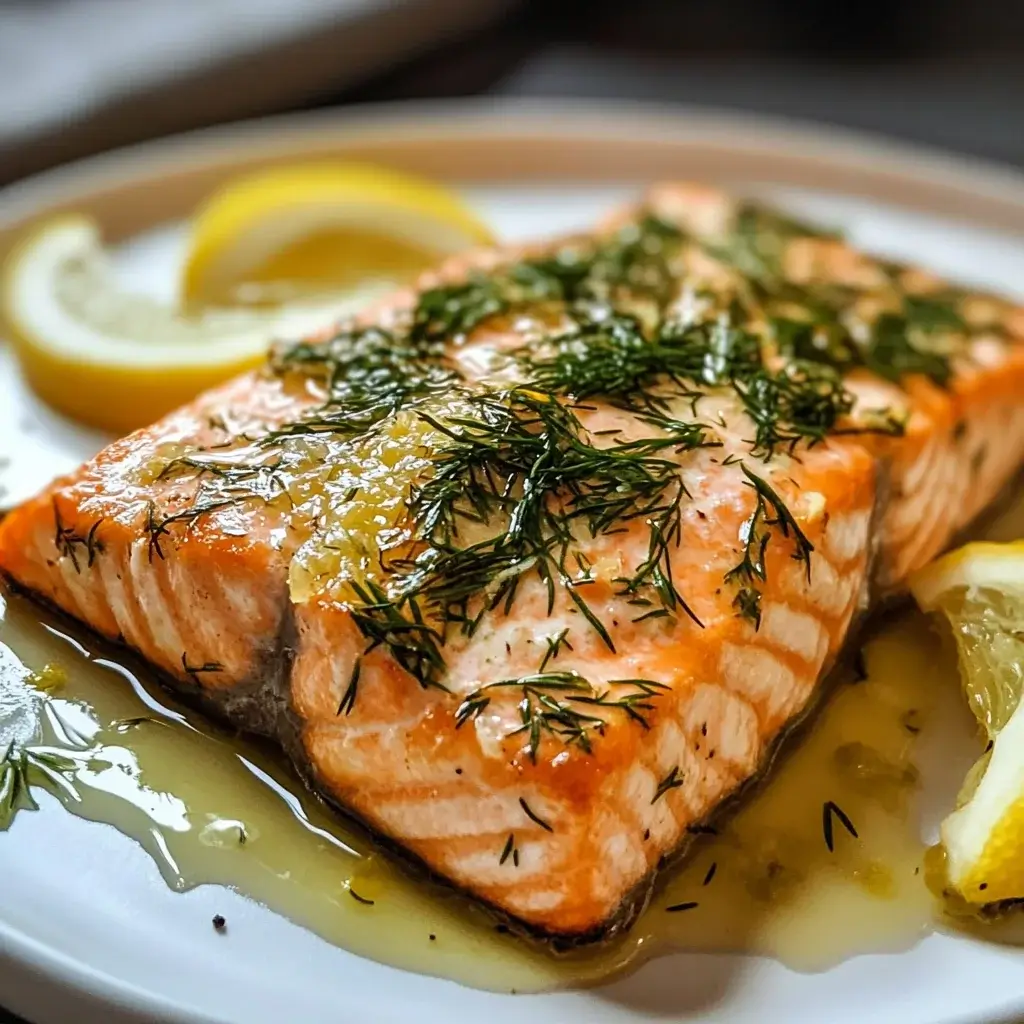
In my kitchen, weeknight dinners need to be two things: quick and delicious. Juggling work, family, and everything in between doesn’t leave much time for elaborate meals, but it doesn’t mean we have to sacrifice flavor or healthy eating. Baked Salmon with Dill and Lemon has become my absolute go-to recipe for those busy evenings. It’s incredibly simple to throw together – seriously, we’re talking minutes of prep – and the result is always a flaky, flavorful, and utterly satisfying dish. My family devours it every time, and I love knowing that I’m serving them something packed with nutrients and goodness. The bright, zesty flavors of lemon and fresh dill perfectly complement the richness of the salmon, creating a taste that’s both elegant and comforting. Whether you’re a seasoned cook or a kitchen novice, this recipe is foolproof and guaranteed to become a new staple in your repertoire. Get ready to experience the effortless deliciousness of Baked Salmon with Dill and Lemon – it’s a weeknight winner that feels special enough for any occasion.
Ingredients for Effortless Baked Salmon with Dill and Lemon
This recipe for Baked Salmon with Dill and Lemon is all about highlighting the natural flavors of fresh, high-quality ingredients. Simplicity is key here, and you’ll find that just a handful of components are needed to create a dish that’s both elegant and deeply satisfying. Let’s break down each ingredient and discuss why it’s essential and how to choose the best for your kitchen:
- 2 Salmon Fillets (6-8 ounces each), skin on or off: Salmon is the star of the show, and choosing the right type and quality is crucial. For baking, thicker fillets tend to stay moister. You can use various types of salmon, each with slightly different flavor profiles and fat content:
- King Salmon (Chinook): Known for its rich, buttery flavor and high fat content. It’s often considered the highest quality and most flavorful salmon, but also the most expensive. King salmon holds up beautifully to baking and stays incredibly moist.
- Sockeye Salmon (Red Salmon): Has a stronger, more pronounced “salmon” flavor and a vibrant red color. It’s leaner than King salmon but still rich in flavor and Omega-3s. Sockeye bakes well and offers a robust taste.
- Coho Salmon (Silver Salmon): Milder in flavor than King or Sockeye, with a delicate texture and medium fat content. Coho is a versatile and affordable option that works well for baking, especially if you prefer a less intense salmon flavor.
- Pink Salmon (Humpback Salmon): The most readily available and often the least expensive type of salmon. It’s the leanest and has the mildest flavor. Pink salmon can be drier when baked, so it’s important to not overcook it. It’s a good budget-friendly option, especially for recipes where the salmon is paired with a sauce.
- Atlantic Salmon (Farmed or Wild-Caught): Most Atlantic salmon is farmed. Farmed Atlantic salmon is generally fattier and milder in flavor than wild-caught salmon. Wild-caught Atlantic salmon is rarer and often more expensive, but offers a richer flavor. When choosing Atlantic salmon, consider your budget and flavor preference.
- Freshness: Fresh salmon should have a bright, vibrant color and a fresh, sea-like smell, not overly fishy. The flesh should be firm and spring back when gently pressed.
- Appearance: Avoid fillets that look dry, dull, or have any browning edges.
- Sustainability: Consider choosing sustainably sourced salmon. Look for certifications like the Marine Stewardship Council (MSC) blue fish label or check seafood watch guides to make informed choices.
- Skin On or Off: Skin-on salmon is often preferred for baking as the skin helps to keep the fillet moist and adds flavor. The skin also crisps up beautifully if you bake it at a slightly higher temperature or broil it briefly at the end. If you prefer skinless salmon, that works just as well; just be mindful not to overbake it as it can dry out more easily.
- 2 tablespoons Olive Oil: Olive oil is used to lightly coat the salmon fillets, helping them to stay moist during baking and promoting even cooking. It also adds a subtle richness and healthy fats. Extra virgin olive oil is a great choice for its flavor and health benefits, but regular olive oil or avocado oil will also work well. You can also use melted butter or ghee for a richer flavor.
- 1 Lemon, thinly sliced and zested: Lemon is a crucial flavor component, providing bright acidity and zesty freshness that perfectly complements the richness of the salmon and the herbaceousness of the dill. You’ll use both the zest and slices:
- Lemon Zest: The zest, which is the grated outer rind of the lemon (avoiding the white pith, which is bitter), is packed with concentrated lemon flavor and aromatic oils. Lemon zest adds a powerful burst of citrusy brightness to the marinade and the baked salmon.
- Lemon Slices: Thin lemon slices are placed on top of the salmon fillets during baking. As they bake, they release their juice and infuse the salmon with a gentle lemon flavor while also keeping the salmon moist. The caramelized lemon slices are also delicious to eat alongside the salmon.
- Choose Firm, Heavy Lemons: These lemons are juicier and have more zest.
- Look for Smooth Skin: Smooth-skinned lemons tend to have thinner rinds and more juice.
- Organic Lemons (Optional): If you plan to use the zest, organic lemons are a good choice to avoid pesticide residue on the rind. If not organic, make sure to wash the lemon thoroughly before zesting.
- 2 tablespoons Fresh Dill, chopped: Fresh dill is the quintessential herb pairing for salmon. Its delicate, feathery leaves and bright, slightly grassy, and anise-like flavor enhance the natural taste of salmon beautifully. Fresh dill is significantly more flavorful than dried dill, so it’s highly recommended for this recipe.When choosing dill:
- Look for Bright Green, Fresh-Looking Dill: Avoid dill that is wilted, yellowing, or has brown spots.
- Fragrant Aroma: Fresh dill should have a distinct, pleasant aroma.
- Storage: Store fresh dill in the refrigerator, wrapped loosely in a damp paper towel inside a plastic bag, for up to a week.
- Salt and Freshly Ground Black Pepper, to taste: Simple seasoning is key to allowing the natural flavors of the salmon, lemon, and dill to shine through. Salt enhances the flavors and balances the acidity of the lemon, while black pepper adds a subtle warmth and depth.
- Salt: Kosher salt or sea salt are excellent choices for seasoning fish. They have a cleaner taste than iodized table salt.
- Black Pepper: Freshly ground black pepper is always preferred for its brighter, more aromatic flavor compared to pre-ground pepper.
Ingredient Notes and Substitutions:
- Salmon Substitutions: If you don’t have salmon, you can use other firm, flaky fish fillets like cod, halibut, or sea bass. Adjust baking time accordingly as different types of fish may cook at slightly different rates.
- Herb Variations: If you don’t have fresh dill, you can use other fresh herbs like parsley, chives, or tarragon. Dried dill can be used in a pinch, but use about 1 teaspoon of dried dill for every tablespoon of fresh dill, as dried herbs are more concentrated.
- Citrus Alternatives: While lemon is classic, you can experiment with other citrus fruits like lime or orange for a different flavor profile.
- Oil Options: Melted butter or ghee can be used instead of olive oil for a richer, more buttery flavor. Avocado oil, canola oil, or grapeseed oil are neutral-flavored oils that also work well.
- Spice Enhancements: For a touch of heat, you can add a pinch of red pepper flakes or a dash of cayenne pepper to the salmon before baking. Garlic powder or onion powder can also be added for extra savory notes.
Instructions for Perfectly Baked Salmon with Dill and Lemon
Baking salmon with dill and lemon is incredibly straightforward, making it a perfect weeknight meal. Follow these simple step-by-step instructions to ensure your salmon comes out flaky, moist, and bursting with flavor:
Step 1: Preheat Oven and Prepare Baking Sheet
- Preheat your oven to 400°F (200°C). Preheating ensures that the oven is at the correct temperature when you place the salmon in, promoting even cooking and preventing the salmon from steaming instead of baking.
- Line a baking sheet with parchment paper or aluminum foil. This makes for easy cleanup and prevents the salmon from sticking to the baking sheet. If using aluminum foil, you can lightly grease it with cooking spray or olive oil to further prevent sticking.
Step 2: Prepare the Salmon Fillets
- Pat the salmon fillets dry with paper towels. Removing excess moisture from the surface of the salmon helps it to bake and slightly crisp up rather than steam.
- Place the salmon fillets on the prepared baking sheet, leaving some space between them for even cooking.
Step 3: Season and Marinate the Salmon
- Drizzle olive oil evenly over the salmon fillets. Ensure each fillet is lightly coated with oil.
- Season generously with salt and freshly ground black pepper. Sprinkle the salt and pepper evenly over the top and sides of the salmon.
- Sprinkle the chopped fresh dill evenly over the salmon fillets. Distribute the dill so that each fillet gets a good amount.
- Zest the lemon directly over the salmon fillets, distributing the zest evenly.
- Arrange thin slices of lemon on top of each salmon fillet. Place 2-3 slices of lemon per fillet, ensuring they are distributed across the surface.
- Let the salmon marinate for at least 5-10 minutes. While not strictly necessary, allowing the salmon to marinate briefly allows the flavors of the lemon, dill, and seasonings to penetrate the fish, enhancing the overall taste. You can marinate for up to 30 minutes in the refrigerator for a more pronounced flavor, but don’t marinate for too long in lemon juice as the acid can start to “cook” the fish.
Step 4: Bake the Salmon
- Place the baking sheet with the salmon in the preheated oven.
- Bake for 12-15 minutes, or until the salmon is cooked through and flakes easily with a fork. Baking time will vary depending on the thickness of the salmon fillets.
- Checking for Doneness: The salmon is cooked through when it is opaque and flakes easily when gently pressed with a fork at the thickest part. Avoid overbaking salmon, as it can become dry. It’s better to slightly underbake it, as it will continue to cook slightly as it rests. The internal temperature of cooked salmon should reach 145°F (63°C), but for home cooking, flakiness is a good visual indicator.
- Visual Cues: The color of the salmon will change from translucent to opaque as it cooks. The flesh will become firm but still moist.
Step 5: Rest and Serve
- Remove the baking sheet from the oven.
- Let the baked salmon rest for 2-3 minutes before serving. Resting allows the juices to redistribute throughout the fish, resulting in more moist and flavorful salmon.
- Serve immediately, garnished with extra fresh dill sprigs and lemon wedges, if desired. The baked lemon slices from the top of the salmon are also delicious to eat alongside.
Nutrition Facts for Baked Salmon with Dill and Lemon
(Approximate Values – Per Serving)
Please note that these are approximate nutritional values and can vary based on the specific type of salmon used, portion sizes, and cooking methods. This information is intended as a general guide. Serving size is estimated as one 6-8 ounce salmon fillet.
- Serving Size: 1 Salmon Fillet (6-8 ounces, cooked)
- Calories: 300-400 calories (depending on salmon type and fat content)
- Fat: 15-25 grams (depending on salmon type)
- Saturated Fat: 3-5 grams
- Omega-3 Fatty Acids: 2-3 grams (Excellent source of EPA and DHA)
- Cholesterol: 80-100 mg
- Sodium: 150-250 mg (depending on salt added)
- Carbohydrates: 1-2 grams (primarily from lemon)
- Fiber: <1 gram
- Sugar: <1 gram
- Protein: 30-40 grams
- Vitamins and Minerals:
- Excellent source of Vitamin D, Vitamin B12, Selenium, Potassium
- Good source of Niacin, Vitamin B6, Phosphorus
Important Disclaimer: For accurate nutritional information, use a nutrition calculator and input the specific brands and quantities of ingredients you use in this recipe. This information is an estimate and should not be considered definitive dietary advice. Baked salmon is a highly nutritious food, rich in protein, healthy fats (especially Omega-3 fatty acids), vitamins, and minerals. It’s a great choice for a healthy and balanced diet.
Preparation Time for Baked Salmon with Dill and Lemon
- Prep Time: 10-15 minutes (includes preheating oven, preparing baking sheet, patting salmon dry, slicing lemon, chopping dill, seasoning salmon)
- Marinating Time: 5-30 minutes (optional, but recommended for flavor infusion)
- Bake Time: 12-15 minutes (depending on salmon thickness)
- Rest Time: 2-3 minutes
- Total Time (Approximate): 30-45 minutes (including optional marinating time)
This recipe is incredibly quick and efficient, making it ideal for busy weeknights. The active cooking time is minimal, with most of the time spent baking. It’s a fantastic option when you want a healthy, flavorful, and impressive meal on the table in under an hour.
How to Serve Baked Salmon with Dill and Lemon
Baked Salmon with Dill and Lemon is a versatile dish that pairs beautifully with a wide variety of sides. Its bright, fresh flavors make it a wonderful centerpiece for both casual weeknight dinners and more elegant gatherings. Here are some serving suggestions to create a complete and delicious meal:
- Vegetable Sides:
- Roasted Asparagus: Asparagus roasted alongside the salmon in the oven is a classic and simple pairing.
- Roasted Broccoli: Broccoli florets tossed with olive oil, salt, and pepper and roasted until tender-crisp.
- Roasted Brussels Sprouts: Brussels sprouts roasted until caramelized and slightly crispy.
- Steamed Green Beans: Lightly steamed green beans, tossed with a touch of butter or olive oil and lemon juice.
- Sautéed Spinach: Quickly sautéed spinach with garlic and olive oil.
- Grilled Vegetables: Grilled zucchini, bell peppers, or eggplant for a summery side.
- Lemon-Herb Roasted Potatoes: Potatoes roasted with lemon, herbs like rosemary or thyme, and olive oil.
- Salads:
- Green Salad with Lemon Vinaigrette: A simple mixed green salad with a light and zesty lemon vinaigrette to complement the salmon.
- Cucumber and Dill Salad: A refreshing cucumber salad with fresh dill and a light vinegar dressing.
- Mediterranean Quinoa Salad: Quinoa salad with cucumbers, tomatoes, olives, feta cheese (optional), and a lemon-herb dressing.
- Caprese Salad: Classic Caprese salad with fresh mozzarella, tomatoes, and basil.
- Grains and Starches:
- Quinoa: Fluffy quinoa, cooked in vegetable broth or water, is a healthy and versatile side.
- Rice: White rice, brown rice, or wild rice pilaf. Lemon rice would be particularly complementary.
- Couscous: Light and fluffy couscous, perhaps with herbs and lemon zest mixed in.
- Mashed Potatoes: Creamy mashed potatoes for a comforting and classic pairing.
- Garlic Bread: Crusty garlic bread for soaking up any juices from the salmon.
- Sauces and Toppings (Optional):
- Lemon-Dill Sauce: Create a simple sauce by whisking together Greek yogurt or sour cream with lemon juice, fresh dill, and a pinch of salt and pepper.
- Garlic Aioli: Creamy garlic aioli for dipping or drizzling over the salmon.
- Tzatziki Sauce: Cool and refreshing tzatziki sauce (yogurt, cucumber, dill, garlic) for a Mediterranean twist.
- Pesto: A dollop of pesto (basil pesto or lemon pesto) on top of the salmon.
- Serving Occasions:
- Weeknight Dinner: Quick and easy for a healthy weeknight meal.
- Elegant Dinner Party: Impressive enough for a dinner party main course.
- Lunch: Leftover baked salmon is delicious flaked into salads or sandwiches for lunch.
- Special Occasions: Suitable for holidays or special celebrations, especially when paired with elegant side dishes.
Additional Tips for Perfect Baked Salmon
Here are five key tips to ensure your Baked Salmon with Dill and Lemon turns out perfectly every time:
- Don’t Overbake the Salmon: Overbaking is the most common mistake when cooking salmon, leading to dry and tough fish. Salmon is cooked through when it flakes easily with a fork and is just opaque throughout. Err on the side of slightly underbaking, as it will continue to cook slightly as it rests. Use a timer and start checking for doneness around the 12-minute mark for typical fillets.
- Leave the Skin On (Optional, but Recommended): Baking salmon with the skin on helps to keep it moist and prevents it from drying out. The skin also becomes crispy and flavorful, and is perfectly edible (and nutritious!). If you prefer skinless salmon, be extra careful not to overbake it.
- Start with Good Quality Salmon: The flavor of baked salmon is highly dependent on the quality of the salmon itself. Choose fresh, high-quality salmon from a reputable source. Sustainable and wild-caught options are often more flavorful and better for the environment.
- Prepare Your Lemon Properly: Zesting the lemon before slicing it is much easier than zesting slices. Make sure to zest only the yellow rind, avoiding the white pith underneath, which is bitter. Thinly sliced lemons cook quickly and release their juice and flavor effectively.
- Fresh Dill Makes a Difference: While dried dill can be used in a pinch, fresh dill provides a significantly brighter and more vibrant flavor that truly elevates this dish. If possible, always opt for fresh dill when making Baked Salmon with Dill and Lemon. If using dried dill, remember to use about 1/3 the amount of fresh dill called for (as dried herbs are more concentrated).
Frequently Asked Questions (FAQ) about Baked Salmon with Dill and Lemon
Q1: What type of salmon is best for baking?
A: King Salmon (Chinook) and Sockeye Salmon (Red Salmon) are excellent choices for baking due to their higher fat content, which helps them stay moist and flavorful during cooking. Coho Salmon (Silver Salmon) is also a good option, offering a milder flavor and medium fat content. Atlantic Salmon (farmed or wild-caught) and Pink Salmon (Humpback Salmon) can also be used, but may require slightly adjusted baking times and techniques to prevent dryness. Choose based on your budget, flavor preference, and availability.
Q2: Can I use frozen salmon for this recipe?
A: Yes, you can use frozen salmon. Thaw the salmon completely before baking. The best way to thaw frozen salmon is overnight in the refrigerator. For quicker thawing, you can place the sealed frozen salmon fillet in a bowl of cold water for about 30-60 minutes, changing the water every 15 minutes. Ensure the salmon is fully thawed and pat it dry with paper towels before proceeding with the recipe.
Q3: Can I prepare this salmon ahead of time?
A: While baked salmon is best served fresh, you can prepare the salmon fillets with the dill, lemon, and seasonings up to a few hours ahead of time and keep them refrigerated until ready to bake. However, it’s not recommended to bake the salmon completely ahead of time and then reheat it, as it can dry out. If you have leftovers, store cooked salmon in an airtight container in the refrigerator for up to 2-3 days and gently reheat or enjoy cold in salads.
Q4: What are some good side dishes to serve with baked salmon?
A: Baked salmon with dill and lemon pairs well with a wide variety of side dishes. Excellent choices include roasted vegetables like asparagus, broccoli, Brussels sprouts, or potatoes; fresh salads like a green salad with lemon vinaigrette or a cucumber and dill salad; and grains like quinoa, rice, or couscous. See the “How to Serve” section above for more detailed suggestions.
Q5: How do I know when the salmon is cooked through?
A: The best way to check for doneness is to gently flake the salmon with a fork at the thickest part. If it flakes easily and is opaque throughout (no longer translucent or raw-looking in the center), it is cooked through. Avoid overbaking. The internal temperature of cooked salmon should reach 145°F (63°C), but for home cooking, flakiness is a reliable visual indicator. If using a thermometer, insert it into the thickest part of the fillet.
Print
Baked Salmon with Dill and Lemon recipe
Ingredients
-
- 2 Salmon Fillets (6-8 ounces each), skin on or off: Salmon is the star of the show, and choosing the right type and quality is crucial. For baking, thicker fillets tend to stay moister. You can use various types of salmon, each with slightly different flavor profiles and fat content:
- King Salmon (Chinook): Known for its rich, buttery flavor and high fat content. It’s often considered the highest quality and most flavorful salmon, but also the most expensive. King salmon holds up beautifully to baking and stays incredibly moist.
- Sockeye Salmon (Red Salmon): Has a stronger, more pronounced “salmon” flavor and a vibrant red color. It’s leaner than King salmon but still rich in flavor and Omega-3s. Sockeye bakes well and offers a robust taste.
- Coho Salmon (Silver Salmon): Milder in flavor than King or Sockeye, with a delicate texture and medium fat content. Coho is a versatile and affordable option that works well for baking, especially if you prefer a less intense salmon flavor.
- Pink Salmon (Humpback Salmon): The most readily available and often the least expensive type of salmon. It’s the leanest and has the mildest flavor. Pink salmon can be drier when baked, so it’s important to not overcook it. It’s a good budget-friendly option, especially for recipes where the salmon is paired with a sauce.
- Atlantic Salmon (Farmed or Wild-Caught): Most Atlantic salmon is farmed. Farmed Atlantic salmon is generally fattier and milder in flavor than wild-caught salmon. Wild-caught Atlantic salmon is rarer and often more expensive, but offers a richer flavor. When choosing Atlantic salmon, consider your budget and flavor preference.
When selecting salmon fillets, look for:
-
- Freshness: Fresh salmon should have a bright, vibrant color and a fresh, sea-like smell, not overly fishy. The flesh should be firm and spring back when gently pressed.
-
- Appearance: Avoid fillets that look dry, dull, or have any browning edges.
-
- Sustainability: Consider choosing sustainably sourced salmon. Look for certifications like the Marine Stewardship Council (MSC) blue fish label or check seafood watch guides to make informed choices.
-
- Skin On or Off: Skin-on salmon is often preferred for baking as the skin helps to keep the fillet moist and adds flavor. The skin also crisps up beautifully if you bake it at a slightly higher temperature or broil it briefly at the end. If you prefer skinless salmon, that works just as well; just be mindful not to overbake it as it can dry out more easily.
- 2 Salmon Fillets (6-8 ounces each), skin on or off: Salmon is the star of the show, and choosing the right type and quality is crucial. For baking, thicker fillets tend to stay moister. You can use various types of salmon, each with slightly different flavor profiles and fat content:
-
- 2 tablespoons Olive Oil: Olive oil is used to lightly coat the salmon fillets, helping them to stay moist during baking and promoting even cooking. It also adds a subtle richness and healthy fats. Extra virgin olive oil is a great choice for its flavor and health benefits, but regular olive oil or avocado oil will also work well. You can also use melted butter or ghee for a richer flavor.
-
- 1 Lemon, thinly sliced and zested: Lemon is a crucial flavor component, providing bright acidity and zesty freshness that perfectly complements the richness of the salmon and the herbaceousness of the dill. You’ll use both the zest and slices:
- Lemon Zest: The zest, which is the grated outer rind of the lemon (avoiding the white pith, which is bitter), is packed with concentrated lemon flavor and aromatic oils. Lemon zest adds a powerful burst of citrusy brightness to the marinade and the baked salmon.
- Lemon Slices: Thin lemon slices are placed on top of the salmon fillets during baking. As they bake, they release their juice and infuse the salmon with a gentle lemon flavor while also keeping the salmon moist. The caramelized lemon slices are also delicious to eat alongside the salmon.
When choosing lemons:
-
- Choose Firm, Heavy Lemons: These lemons are juicier and have more zest.
-
- Look for Smooth Skin: Smooth-skinned lemons tend to have thinner rinds and more juice.
-
- Organic Lemons (Optional): If you plan to use the zest, organic lemons are a good choice to avoid pesticide residue on the rind. If not organic, make sure to wash the lemon thoroughly before zesting.
- 1 Lemon, thinly sliced and zested: Lemon is a crucial flavor component, providing bright acidity and zesty freshness that perfectly complements the richness of the salmon and the herbaceousness of the dill. You’ll use both the zest and slices:
-
- 2 tablespoons Fresh Dill, chopped: Fresh dill is the quintessential herb pairing for salmon. Its delicate, feathery leaves and bright, slightly grassy, and anise-like flavor enhance the natural taste of salmon beautifully. Fresh dill is significantly more flavorful than dried dill, so it’s highly recommended for this recipe.When choosing dill:
-
- Look for Bright Green, Fresh-Looking Dill: Avoid dill that is wilted, yellowing, or has brown spots.
-
- Fragrant Aroma: Fresh dill should have a distinct, pleasant aroma.
-
- Storage: Store fresh dill in the refrigerator, wrapped loosely in a damp paper towel inside a plastic bag, for up to a week.
-
- 2 tablespoons Fresh Dill, chopped: Fresh dill is the quintessential herb pairing for salmon. Its delicate, feathery leaves and bright, slightly grassy, and anise-like flavor enhance the natural taste of salmon beautifully. Fresh dill is significantly more flavorful than dried dill, so it’s highly recommended for this recipe.When choosing dill:
-
- Salt and Freshly Ground Black Pepper, to taste: Simple seasoning is key to allowing the natural flavors of the salmon, lemon, and dill to shine through. Salt enhances the flavors and balances the acidity of the lemon, while black pepper adds a subtle warmth and depth.
-
- Salt: Kosher salt or sea salt are excellent choices for seasoning fish. They have a cleaner taste than iodized table salt.
-
- Black Pepper: Freshly ground black pepper is always preferred for its brighter, more aromatic flavor compared to pre-ground pepper.
-
- Salt and Freshly Ground Black Pepper, to taste: Simple seasoning is key to allowing the natural flavors of the salmon, lemon, and dill to shine through. Salt enhances the flavors and balances the acidity of the lemon, while black pepper adds a subtle warmth and depth.
Instructions
Step 1: Preheat Oven and Prepare Baking Sheet
-
- Preheat your oven to 400°F (200°C). Preheating ensures that the oven is at the correct temperature when you place the salmon in, promoting even cooking and preventing the salmon from steaming instead of baking.
-
- Line a baking sheet with parchment paper or aluminum foil. This makes for easy cleanup and prevents the salmon from sticking to the baking sheet. If using aluminum foil, you can lightly grease it with cooking spray or olive oil to further prevent sticking.
Step 2: Prepare the Salmon Fillets
-
- Pat the salmon fillets dry with paper towels. Removing excess moisture from the surface of the salmon helps it to bake and slightly crisp up rather than steam.
-
- Place the salmon fillets on the prepared baking sheet, leaving some space between them for even cooking.
Step 3: Season and Marinate the Salmon
-
- Drizzle olive oil evenly over the salmon fillets. Ensure each fillet is lightly coated with oil.
-
- Season generously with salt and freshly ground black pepper. Sprinkle the salt and pepper evenly over the top and sides of the salmon.
-
- Sprinkle the chopped fresh dill evenly over the salmon fillets. Distribute the dill so that each fillet gets a good amount.
-
- Zest the lemon directly over the salmon fillets, distributing the zest evenly.
-
- Arrange thin slices of lemon on top of each salmon fillet. Place 2-3 slices of lemon per fillet, ensuring they are distributed across the surface.
-
- Let the salmon marinate for at least 5-10 minutes. While not strictly necessary, allowing the salmon to marinate briefly allows the flavors of the lemon, dill, and seasonings to penetrate the fish, enhancing the overall taste. You can marinate for up to 30 minutes in the refrigerator for a more pronounced flavor, but don’t marinate for too long in lemon juice as the acid can start to “cook” the fish.
Step 4: Bake the Salmon
-
- Place the baking sheet with the salmon in the preheated oven.
-
- Bake for 12-15 minutes, or until the salmon is cooked through and flakes easily with a fork. Baking time will vary depending on the thickness of the salmon fillets.
-
- Checking for Doneness: The salmon is cooked through when it is opaque and flakes easily when gently pressed with a fork at the thickest part. Avoid overbaking salmon, as it can become dry. It’s better to slightly underbake it, as it will continue to cook slightly as it rests. The internal temperature of cooked salmon should reach 145°F (63°C), but for home cooking, flakiness is a good visual indicator.
-
- Visual Cues: The color of the salmon will change from translucent to opaque as it cooks. The flesh will become firm but still moist.
-
- Bake for 12-15 minutes, or until the salmon is cooked through and flakes easily with a fork. Baking time will vary depending on the thickness of the salmon fillets.
Step 5: Rest and Serve
-
- Remove the baking sheet from the oven.
-
- Let the baked salmon rest for 2-3 minutes before serving. Resting allows the juices to redistribute throughout the fish, resulting in more moist and flavorful salmon.
-
- Serve immediately, garnished with extra fresh dill sprigs and lemon wedges, if desired. The baked lemon slices from the top of the salmon are also delicious to eat alongside.
Nutrition
- Serving Size: one normal portion
- Calories: 300-400
- Sugar: 1 gram
- Sodium: 150-250 mg
- Fat: 15-25 grams
- Saturated Fat: 3-5 grams
- Carbohydrates: 1-2 grams
- Fiber: 1 gram
- Protein: 30-40 grams
- Cholesterol: 80-100 mg