
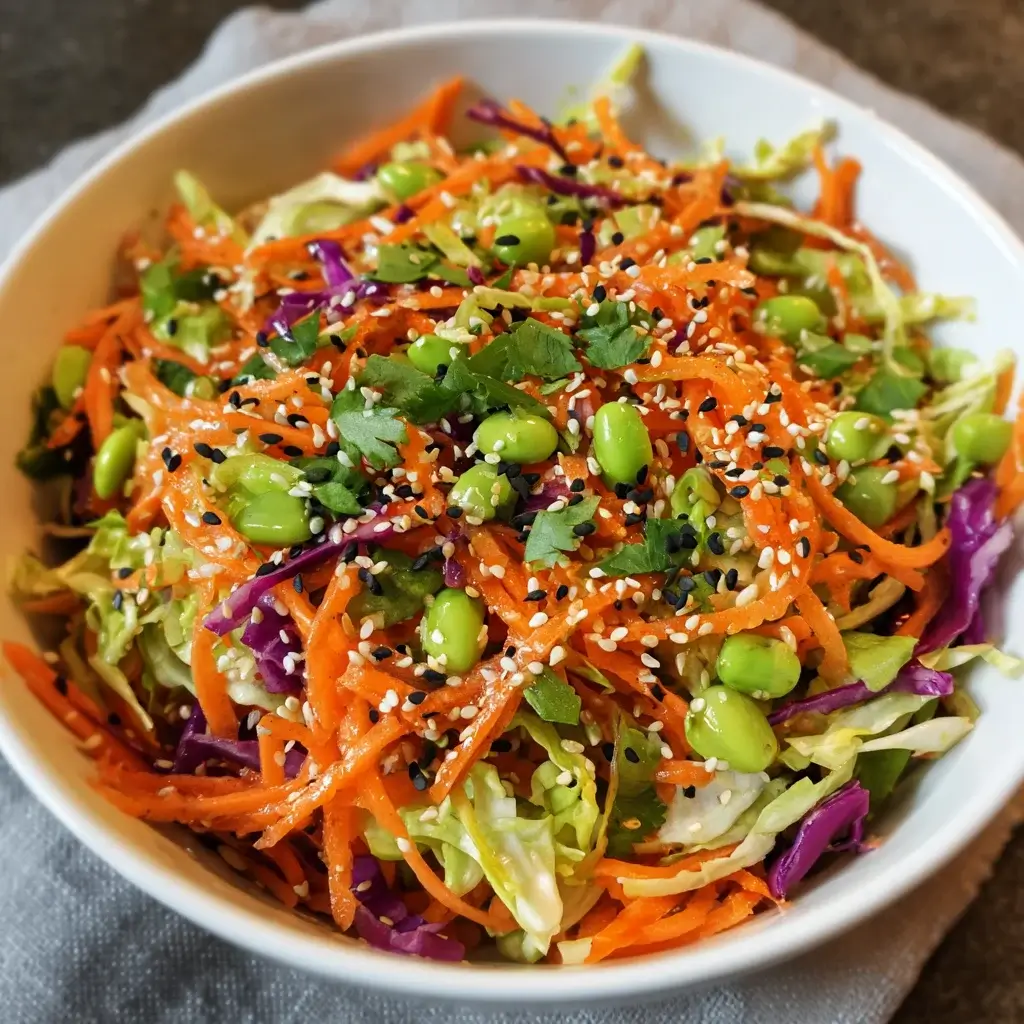
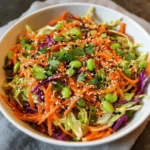
There are salads, and then there are salads. For a long time, I thought of salad as a necessary but unexciting side dish, a plate of limp greens you had to get through before the main event. That all changed the day I decided to reverse-engineer my favorite restaurant salad at home. It was a vibrant, crunchy, utterly addictive Asian Sesame Salad that I used to crave constantly. I was determined to crack the code. My kitchen transformed into a laboratory of shredded cabbage, grated carrots, and various concoctions for the all-important dressing. After several attempts, I finally nailed it. The result was this masterpiece: a cacophony of crunch from the cabbage and carrots, a burst of freshness from the cilantro and edamame, and a nutty depth from the toasted almonds, all brought together by a sesame ginger dressing that is the perfect symphony of savory, sweet, and tangy. When I first served this for a family get-together, the bowl was scraped clean. People who normally avoid salads were coming back for seconds and thirds. It has since become my secret weapon for everything from healthy meal-prepped lunches to a show-stopping side dish for barbecues. It’s a bowl of pure joy, proof that a salad can be the most exciting thing on the menu.
The Ultimate Asian Sesame Salad Bowl: A Complete Recipe
This recipe is designed for maximum flavor, texture, and visual appeal. The dressing is the star, but the combination of fresh, crunchy vegetables is what makes it a truly satisfying meal.
For the Sesame Ginger Dressing:
- Toasted Sesame Oil: 1/4 cup (60 ml) – The ‘toasted’ variety is key for that deep, nutty aroma.
- Rice Vinegar: 1/4 cup (60 ml) – Unseasoned is best to control the sugar.
- Low-Sodium Soy Sauce or Tamari: 1/4 cup (60 ml) – Use tamari for a gluten-free option.
- Extra Virgin Olive Oil or Avocado Oil: 2 tablespoons – This adds body and healthy fats.
- Honey or Maple Syrup: 2 tablespoons – For a touch of sweetness to balance the acidity.
- Fresh Ginger: 1 tablespoon, finely grated.
- Fresh Garlic: 1 clove, minced.
- Fine Sea Salt: 1/4 teaspoon (optional, as soy sauce is salty).
- Freshly Ground Black Pepper: 1/4 teaspoon.
For the Salad Base:
- Napa Cabbage or Green Cabbage: 1/2 medium head (about 4-5 cups), very thinly sliced.
- Red Cabbage: 1/4 medium head (about 2 cups), very thinly sliced.
- Carrots: 2 large, peeled and shredded or julienned.
- Red Bell Pepper: 1, thinly sliced into matchsticks.
- Edamame: 1.5 cups, shelled and cooked (frozen and thawed works perfectly).
- Green Onions (Scallions): 4, thinly sliced (both white and green parts).
- Fresh Cilantro: 1/2 cup, roughly chopped.
- Toasted Sliced Almonds or Sesame Seeds: 1/2 cup – For crunch and nutty flavor.
Optional Protein Add-ins:
- Shredded Cooked Chicken: 2 cups (rotisserie chicken is a great shortcut).
- Grilled Shrimp: 1 lb, peeled and deveined.
- Pan-Seared Tofu: 1 (14-ounce) block of extra-firm tofu, pressed and cubed.
Step-by-Step Instructions for a Perfect Salad
Follow these steps to build a salad where every component shines, from the silky dressing to the perfectly prepped, crunchy vegetables.
Part 1: Prepare the Sesame Ginger Dressing
- Combine Ingredients: In a medium bowl or a glass jar with a secure lid, combine the toasted sesame oil, rice vinegar, soy sauce (or tamari), olive oil, honey (or maple syrup), grated ginger, and minced garlic.
- Emulsify: Whisk the ingredients together vigorously until the dressing is smooth, creamy, and well-combined. If using a jar, simply seal the lid tightly and shake it for 30-40 seconds until emulsified.
- Taste and Season: Give the dressing a taste. While the soy sauce adds plenty of saltiness, you can add a pinch of salt and pepper if needed. Set it aside to allow the flavors of the ginger and garlic to meld into the liquid.
Part 2: Prepare the Salad Ingredients
- Prep the Vegetables: The key to a great Asian salad is the texture. Slice the napa/green cabbage and red cabbage as thinly as possible. A sharp knife or a mandoline slicer works best. Shred or julienne the carrots into thin matchsticks. Thinly slice the red bell pepper and the green onions.
- Combine the Base: In a very large salad bowl, combine the thinly sliced cabbages, shredded carrots, sliced red bell pepper, shelled edamame, and sliced green onions. The bowl should look like a vibrant rainbow.
- Prepare Garnishes: If you haven’t already, toast your sliced almonds or sesame seeds. Place them in a dry skillet over medium heat and toast for 2-3 minutes, stirring frequently, until they are fragrant and lightly golden. Be careful as they can burn quickly. Remove from the pan immediately to cool.
Part 3: Assemble the Asian Sesame Salad Bowl
- Dress the Salad: Just before you plan to serve, pour about two-thirds of the prepared dressing over the vegetable mixture in the large bowl.
- Toss Gently: Using tongs or your clean hands, gently toss the salad until all the ingredients are lightly and evenly coated with the dressing. You want to coat, not drown, the vegetables.
- Add Final Touches: Add the chopped fresh cilantro and the toasted almonds or sesame seeds to the bowl. If you are adding a protein like shredded chicken, add it now. Give it one final, gentle toss to incorporate these elements.
- Serve Immediately: Transfer the salad to a serving platter or individual bowls. Serve immediately for the best and crunchiest texture. Offer the remaining dressing on the side for those who prefer a little extra.
Nutrition Facts
- Servings: 6-8 side servings, or 4 main course servings
- Calories per serving: Approximately 350-450 kcal (for a main course serving without added protein)
Disclaimer: The nutritional information provided is an estimate and can vary significantly based on the specific ingredients used, portion sizes, and the addition of optional proteins.
Preparation Time
- Preparation Time: 20-25 minutes (chopping vegetables, making the dressing)
- Cooking Time: 5 minutes (toasting nuts, cooking edamame if frozen)
- Total Time: Approximately 30 minutes
A Deep Dive into the Nutritional Benefits of this Rainbow Bowl
This Asian Sesame Salad is more than just a feast for the eyes; it’s a nutritional powerhouse packed with vitamins, minerals, fiber, and healthy fats. Every colorful ingredient contributes to its impressive health profile.
The Power of Cruciferous Vegetables
The base of this salad is cabbage, a member of the cruciferous vegetable family. This group of vegetables is renowned for its health benefits.
- Rich in Fiber: Cabbage is loaded with insoluble fiber, which promotes digestive health by adding bulk to stool and supporting regular bowel movements.
- Packed with Vitamin C and K: Red cabbage, in particular, is a fantastic source of Vitamin C, a powerful antioxidant that supports the immune system and skin health. Both green and red cabbage are excellent sources of Vitamin K, which is crucial for blood clotting and bone health.
- Cancer-Fighting Compounds: Cruciferous vegetables contain unique compounds called glucosinolates, which have been studied extensively for their potential anti-cancer properties. When you chop or chew cabbage, these compounds break down into isothiocyanates, which help protect cells from DNA damage and may inhibit tumor growth.
Healthy Fats for Brain and Heart Health
The dressing is a fantastic source of healthy unsaturated fats, which are essential for overall health.
- Toasted Sesame Oil: Rich in polyunsaturated fats and antioxidants like sesamol and sesaminol, which have potent anti-inflammatory effects.
- Olive Oil/Avocado Oil: Both are excellent sources of monounsaturated fats, particularly oleic acid, which has been linked to reduced inflammation and a lower risk of heart disease.
- Almonds: A great source of monounsaturated fats, Vitamin E, magnesium, and fiber. They contribute to heart health by helping to lower LDL (bad) cholesterol levels.
A Rainbow of Phytonutrients
The old adage “eat the rainbow” is sound nutritional advice, and this salad delivers. Each color represents different phytonutrients, which are natural compounds in plants that have antioxidant and anti-inflammatory benefits.
- Red (Bell Pepper, Red Cabbage): Rich in lycopene and anthocyanins, which support heart health and may reduce the risk of certain cancers.
- Orange (Carrots): The classic source of beta-carotene, which the body converts to Vitamin A. Vitamin A is essential for vision, immune function, and cell growth.
- Green (Cabbage, Edamame, Cilantro, Green Onions): Packed with chlorophyll, lutein, and zeaxanthin, which are important for eye health, as well as folate and iron. Edamame also provides high-quality, complete plant-based protein.
How to Serve Your Asian Sesame Salad Bowl
This salad is incredibly versatile. It can be a light lunch, a hearty dinner, or a stunning side dish depending on how you serve it.
- For a Light and Healthy Lunch:
- Serve it as is, in a large bowl. The combination of fiber from the vegetables and healthy fats from the dressing is incredibly satisfying and will keep you full for hours.
- To Create a Hearty Dinner Bowl:
- Add a Protein: This is the easiest way to turn it into a complete meal. Top the salad with shredded rotisserie chicken, grilled shrimp, pan-seared tofu, or even flaky grilled salmon.
- Add a Grain: Serve the salad over a bed of fluffy quinoa, brown rice, or soba noodles to make it even more substantial.
- Perfect for Meal Prep:
- This salad holds up exceptionally well for meal prep, thanks to the sturdy nature of cabbage.
- Jar Method: Layer the ingredients in a large mason jar. Start with the dressing on the bottom, followed by the heartier ingredients like carrots and edamame. Next, add the bell peppers and cabbage. Top with the green onions, cilantro, and finally the toasted almonds. When you’re ready to eat, just shake the jar vigorously and pour it into a bowl.
- Container Method: Keep the dressing in a separate small container. Mix all the vegetables and store them in a large airtight container. Pack the nuts separately to maintain their crunch. Combine everything just before eating.
- As a Show-Stopping Side Dish:
- Serve it on a large platter at barbecues, potlucks, or family gatherings. It’s a refreshing and crunchy counterpoint to richer dishes like grilled meats or ribs. It pairs beautifully with Asian-inspired mains like teriyaki chicken or Korean BBQ.
Additional Tips for Salad Success
- Invest in a Mandoline Slicer: For a restaurant-quality salad, the texture is everything. A mandoline slicer is the best tool for getting paper-thin, uniform slices of cabbage and other vegetables. This not only looks professional but also makes the salad easier to eat and allows the dressing to coat every surface. Just be sure to use the handguard for safety!
- Don’t Skip Toasting the Nuts/Seeds: This small step makes a huge difference. Toasting nuts and seeds releases their natural oils, deepening their flavor and making them significantly crunchier. It takes just a few minutes in a dry pan but elevates the salad from good to great.
- Make the Dressing in Advance: The sesame ginger dressing can be made up to a week ahead of time and stored in an airtight container in the refrigerator. In fact, the flavor actually improves as the ginger and garlic have more time to infuse the oil and vinegar. Just give it a good shake before using, as it will separate when chilled.
- Customize Your Crunch: Feel free to get creative with the crunchy elements. Instead of almonds, try toasted cashews, peanuts, or sunflower seeds. For an extra layer of crunch, top the finished salad with crispy wonton strips or fried shallots just before serving.
- Let it Marinate (Briefly): While many salads get soggy, this cabbage-based salad actually benefits from sitting for about 15-20 minutes after being dressed. This brief marination period allows the cabbage to soften just slightly and absorb the delicious flavors of the dressing without losing its essential crunch. Don’t let it sit for hours, but a short rest can work wonders.
Frequently Asked Questions (FAQ)
1. How do I make this salad gluten-free?
Making this salad gluten-free is very simple. The only ingredient that typically contains gluten is the soy sauce. To make it gluten-free, simply substitute the regular soy sauce with an equal amount of Tamari, which is a Japanese form of soy sauce made with little to no wheat, or use a product specifically labeled as “gluten-free soy sauce.”
2. How long will leftovers last in the refrigerator?
Because this salad is made with sturdy cabbage instead of delicate lettuce, it holds up remarkably well. If the salad is already dressed, it will keep in an airtight container in the refrigerator for up to 2-3 days. It will soften slightly but will still be delicious. If you store the dressing and the salad components separately, the vegetables will stay crisp for 4-5 days.
3. What other proteins would work well in this salad?
This salad is a fantastic base for a variety of proteins. Besides the suggested chicken, shrimp, and tofu, you could also use:
- Grilled Steak: Thinly sliced flank or sirloin steak is a delicious, hearty option.
- Salmon: A flaky fillet of grilled or pan-seared salmon adds rich flavor and healthy omega-3s.
- Ahi Tuna: For a more high-end version, top the salad with slices of seared, sushi-grade Ahi tuna.
- Pork: Thinly sliced leftover pork tenderloin would also be a great addition.
4. Can I use a different type of cabbage or greens?
Yes, while Napa cabbage is ideal for its tender-crisp texture, you can certainly make substitutions. A mix of standard green and red cabbage works perfectly. You could also use Savoy cabbage. If you want to use more delicate greens like romaine lettuce or spinach, it’s best to mix them with the cabbage base and dress the salad immediately before serving, as they will wilt much faster.
5. How can I adjust the sweetness or spiciness of the dressing?
The dressing is easily customizable.
- For more sweetness: Increase the amount of honey or maple syrup, one teaspoon at a time.
- For less sweetness: Reduce the honey or maple syrup, or add an extra splash of rice vinegar to increase the tang.
- For a spicy kick: Add 1-2 teaspoons of Sriracha, chili garlic sauce, or a pinch of red pepper flakes to the dressing. You could also add some thinly sliced fresh red chili to the salad itself.
Asian Sesame Salad Bowl recipe
Ingredients
For the Sesame Ginger Dressing:
-
Toasted Sesame Oil: 1/4 cup (60 ml) – The ‘toasted’ variety is key for that deep, nutty aroma.
-
Rice Vinegar: 1/4 cup (60 ml) – Unseasoned is best to control the sugar.
-
Low-Sodium Soy Sauce or Tamari: 1/4 cup (60 ml) – Use tamari for a gluten-free option.
-
Extra Virgin Olive Oil or Avocado Oil: 2 tablespoons – This adds body and healthy fats.
-
Honey or Maple Syrup: 2 tablespoons – For a touch of sweetness to balance the acidity.
-
Fresh Ginger: 1 tablespoon, finely grated.
-
Fresh Garlic: 1 clove, minced.
-
Fine Sea Salt: 1/4 teaspoon (optional, as soy sauce is salty).
-
Freshly Ground Black Pepper: 1/4 teaspoon.
For the Salad Base:
-
Napa Cabbage or Green Cabbage: 1/2 medium head (about 4-5 cups), very thinly sliced.
-
Red Cabbage: 1/4 medium head (about 2 cups), very thinly sliced.
-
Carrots: 2 large, peeled and shredded or julienned.
-
Red Bell Pepper: 1, thinly sliced into matchsticks.
-
Edamame: 1.5 cups, shelled and cooked (frozen and thawed works perfectly).
-
Green Onions (Scallions): 4, thinly sliced (both white and green parts).
-
Fresh Cilantro: 1/2 cup, roughly chopped.
-
Toasted Sliced Almonds or Sesame Seeds: 1/2 cup – For crunch and nutty flavor.
Optional Protein Add-ins:
-
Shredded Cooked Chicken: 2 cups (rotisserie chicken is a great shortcut).
-
Grilled Shrimp: 1 lb, peeled and deveined.
-
Pan-Seared Tofu: 1 (14-ounce) block of extra-firm tofu, pressed and cubed.
Instructions
Part 1: Prepare the Sesame Ginger Dressing
-
Combine Ingredients: In a medium bowl or a glass jar with a secure lid, combine the toasted sesame oil, rice vinegar, soy sauce (or tamari), olive oil, honey (or maple syrup), grated ginger, and minced garlic.
-
Emulsify: Whisk the ingredients together vigorously until the dressing is smooth, creamy, and well-combined. If using a jar, simply seal the lid tightly and shake it for 30-40 seconds until emulsified.
-
Taste and Season: Give the dressing a taste. While the soy sauce adds plenty of saltiness, you can add a pinch of salt and pepper if needed. Set it aside to allow the flavors of the ginger and garlic to meld into the liquid.
Part 2: Prepare the Salad Ingredients
-
Prep the Vegetables: The key to a great Asian salad is the texture. Slice the napa/green cabbage and red cabbage as thinly as possible. A sharp knife or a mandoline slicer works best. Shred or julienne the carrots into thin matchsticks. Thinly slice the red bell pepper and the green onions.
-
Combine the Base: In a very large salad bowl, combine the thinly sliced cabbages, shredded carrots, sliced red bell pepper, shelled edamame, and sliced green onions. The bowl should look like a vibrant rainbow.
-
Prepare Garnishes: If you haven’t already, toast your sliced almonds or sesame seeds. Place them in a dry skillet over medium heat and toast for 2-3 minutes, stirring frequently, until they are fragrant and lightly golden. Be careful as they can burn quickly. Remove from the pan immediately to cool.
Part 3: Assemble the Asian Sesame Salad Bowl
-
Dress the Salad: Just before you plan to serve, pour about two-thirds of the prepared dressing over the vegetable mixture in the large bowl.
-
Toss Gently: Using tongs or your clean hands, gently toss the salad until all the ingredients are lightly and evenly coated with the dressing. You want to coat, not drown, the vegetables.
-
Add Final Touches: Add the chopped fresh cilantro and the toasted almonds or sesame seeds to the bowl. If you are adding a protein like shredded chicken, add it now. Give it one final, gentle toss to incorporate these elements.
-
Serve Immediately: Transfer the salad to a serving platter or individual bowls. Serve immediately for the best and crunchiest texture. Offer the remaining dressing on the side for those who prefer a little extra.
Nutrition
- Serving Size: one normal portion
- Calories: 350-450 kcal