

Okay, let’s dive deep into the delightful fusion that is the Apricot Strawberry Smoothie. Thinking back, my initial encounter with this specific combination wasn’t born from a meticulously planned recipe, but rather from a happy accident driven by the bounty of early summer. The farmers market had blessed me with a basket of perfectly ripe, fragrant apricots – those fuzzy globes of sunshine – and my fridge held a punnet of vibrant red strawberries, rapidly approaching their peak sweetness. Standing in my kitchen, contemplating breakfast, the usual suspects (banana, blueberry, spinach) felt a little… predictable. I eyed the apricots, their blush hinting at the sweet-tart flesh within, and then the strawberries, gleaming like little jewels. A question popped into my head: could these two distinct personalities harmonize in a smoothie? Apricots possess a unique, almost floral perfume and a subtle tang beneath their sweetness, a character quite different from the straightforward, bright sweetness of strawberries.
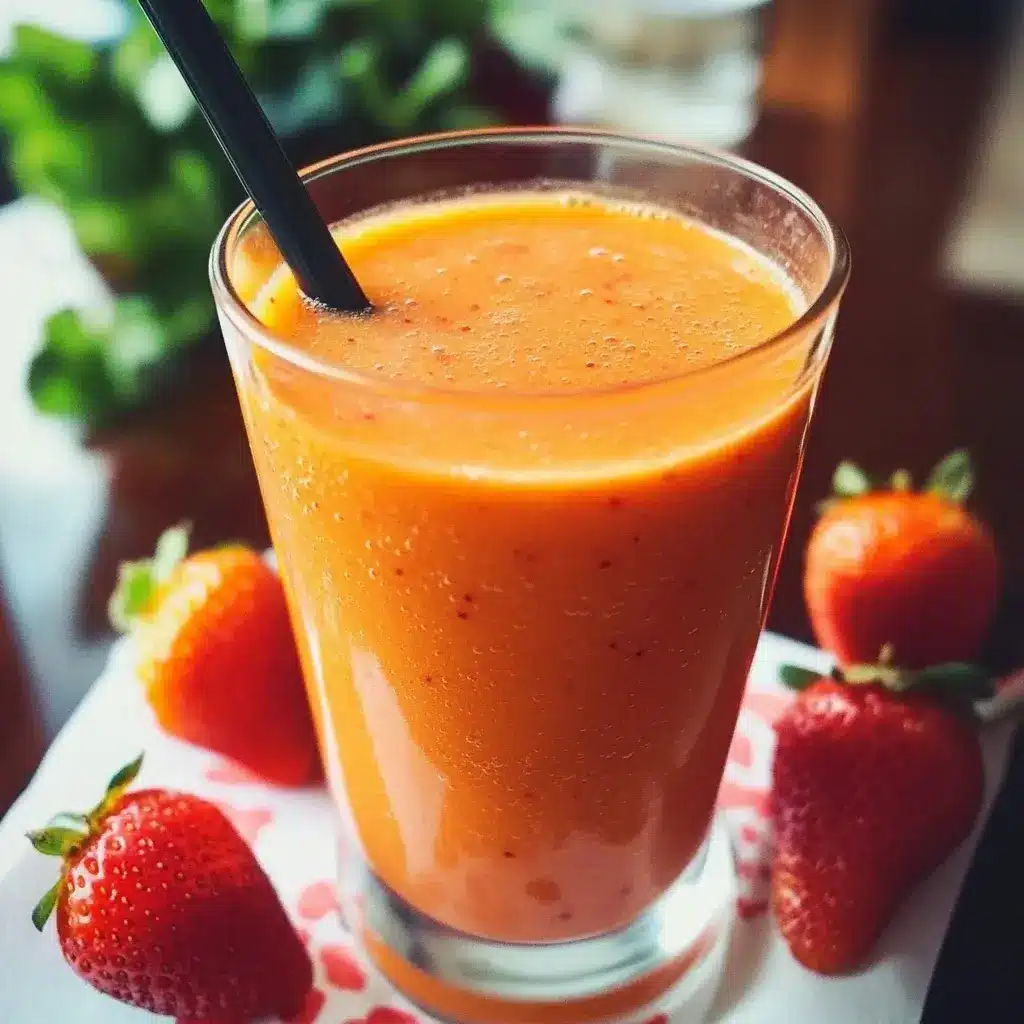
I decided to take the plunge. I pitted and sliced the apricots, remembering to freeze some previously for just such experimental moments, and grabbed my stash of frozen strawberries. The initial blend yielded a color that was instantly captivating – a vibrant coral-pink hue that screamed freshness and vitality. The aroma was equally intriguing, a marriage of strawberry’s familiar perfume with the more elusive, sophisticated scent of apricot. The first sip was a revelation. It wasn’t just strawberry with apricot; it was a seamless blend where each fruit enhanced the other. The apricot rounded out the strawberry’s sweetness, adding depth and preventing it from becoming one-dimensionally sugary. The strawberry, in turn, brought a juicy brightness that lifted the apricot’s sometimes dense texture. It was creamy, thanks to the frozen fruit, intensely refreshing, and surprisingly satisfying. It felt like discovering a hidden pathway in a familiar garden. When I shared it with my family, their reactions mirrored my own surprise and delight. The usual smoothie enthusiasts, often stuck in their berry-banana rut, were genuinely impressed by the novel flavor profile. It was familiar enough to be comforting (thanks, strawberry!) yet different enough to be exciting (hello, apricot!). Since that day, this Apricot Strawberry Smoothie has become a cherished part of our warm-weather repertoire. It’s sunshine distilled into a glass, a vibrant kick-start to the morning, a revitalizing afternoon pick-me-up, or even a guilt-free dessert. It’s proof that sometimes the most delightful discoveries happen when you dare to combine unexpected ingredients.
Apricot Strawberry Smoothie: The Recipe
This detailed recipe outlines how to create a perfectly balanced, creamy, and flavorful smoothie showcasing the delightful partnership between apricot and strawberry.
Ingredients
Selecting quality ingredients, especially the fruit, is paramount for the best flavor. Using frozen fruit is highly recommended for optimal texture.
- The Star Fruits:
- 1 cup Frozen Strawberries: (Approx. 150g) Using whole or halved frozen strawberries provides natural sweetness, vibrant color, and essential thickness. Freezing ripe, in-season strawberries captures their peak flavor.
- 1 cup Frozen Apricot Slices: (Approx. 150-160g) This equates to about 3-4 medium-sized ripe apricots, pitted, sliced, and then frozen. The freezing process helps create that desirable creamy texture. Ensure apricots are ripe (yielding slightly to pressure) before freezing for maximum sweetness and flavor. (See Tips section for more on preparing apricots).
- Liquid Foundation (Choose one):
- 1 cup Unsweetened Almond Milk: A popular neutral choice that lets the fruit flavors shine. Other options include:
- Dairy Milk: (Whole, 2%, or Skim) Adds creaminess and calcium.
- Soy Milk: Offers plant-based protein and a creamy texture.
- Oat Milk: Known for its naturally sweet taste and creamy consistency.
- Coconut Milk (Beverage type, not canned): Adds a subtle tropical hint.
- Water: For the lightest option, focusing purely on fruit flavor (smoothie will be less creamy).
- Combination for Extra Creaminess & Protein: 1/2 cup Plain Greek Yogurt (or Regular Plain Yogurt) + 1/2 cup Milk (any type) or Water. Greek yogurt adds significant thickness, tang, and a protein boost. Vanilla yogurt can also be used but will add extra sugar and flavor.
- 1 cup Unsweetened Almond Milk: A popular neutral choice that lets the fruit flavors shine. Other options include:
- Optional Sweetness Enhancers (Use sparingly, taste first!):
- 1-2 teaspoons Honey: A classic floral sweetness that complements apricot well.
- 1-2 teaspoons Maple Syrup: Offers a warmer, caramel-like sweetness (Grade A Amber/Rich Taste recommended).
- 1-2 Pitted Medjool Dates: Provide natural sweetness along with fiber and minerals. Soak them in warm water for 10 minutes if they are dry, then drain before adding.
- Stevia or Monk Fruit Sweetener: Calorie-free options, add according to package directions and personal preference. Often, ripe fruit makes added sweetener unnecessary.
- Optional Nutritional Boosters (Consider adding one or two for enhanced benefits):
- 1 tablespoon Chia Seeds: Excellent source of Omega-3 fatty acids, fiber, and protein. They will thicken the smoothie slightly, especially if it sits for a few minutes.
- 1 tablespoon Flax Seeds (Ground or Whole): Another great source of Omega-3s and fiber. Ground flaxseed is more easily digested.
- 1 scoop (approx. 20-30g) Protein Powder: Vanilla or unflavored whey, casein, or plant-based (pea, soy, rice) protein powders work well to increase satiety and support muscle recovery. Adjust liquid slightly if needed, as powder absorbs moisture.
- 1/4 cup Rolled Oats (Old-Fashioned or Quick): Adds soluble fiber, making the smoothie more filling and supporting heart health. May lend a slightly thicker, grainier texture if not using a high-speed blender.
- Small Handful (approx. 1 cup, loosely packed) Baby Spinach or Mild Kale: An easy way to sneak in greens. The fruit flavors typically mask the taste entirely, especially spinach. Adds vitamins K, A, and C, plus iron.
- 1/4 Avocado: Adds incredible creaminess, healthy fats, and fiber. May slightly mute the fruit flavors and color.
- 1 tablespoon Almond Butter or Cashew Butter: Adds healthy fats, protein, and a nutty undertone.
- Ice Cubes:
- 1/2 to 1 cup Ice Cubes: Primarily needed if using fresh instead of frozen fruit to achieve coldness and thickness. Also useful if you prefer an extra-frosty, slushier consistency even with frozen fruit, or if your fruit isn’t fully frozen solid.
Instructions
Creating this smoothie is a breeze with these straightforward steps. The key is the order of ingredients and blending technique.
- Fruit Preparation (If Necessary): If starting with fresh apricots, wash them thoroughly, slice them in half, and remove the pit. Slice the halves further for easier blending. If using fresh strawberries, wash them well and remove the green leafy tops (hull them). While fresh fruit can be used, using frozen fruit is highly recommended for the best texture (see Tips). If you must use fresh, ensure you have plenty of ice ready (at least 1 cup).
- Layer Liquids First: Pour your chosen liquid base (almond milk, dairy milk, yogurt/water mixture, etc.) into the blender jar first. Having liquid at the bottom helps the blender blades move more easily and prevents the solid ingredients from getting stuck initially.
- Add Solids and Boosters: Next, add the softer ingredients, followed by the harder, frozen ones. Generally, this means adding any yogurt, sweetener (honey, dates), seeds (chia, flax), oats, protein powder, or fresh greens after the liquid. Then, add the frozen apricot slices and frozen strawberries. If using ice, add it last. This layering helps create a vortex and pull the harder items down into the blades.
- Secure Lid and Blend: Ensure the blender lid is securely fastened. Start the blender on its lowest speed setting. Let it run for about 10-15 seconds to begin breaking down the ingredients and incorporate the liquid.
- Increase Speed and Blend Until Smooth: Gradually increase the blender speed to high. Blend continuously for 45 to 90 seconds. The time will vary depending on your blender’s power. Look for a smooth, homogenous mixture with no visible chunks of fruit or ice. A vortex should form in the center if the liquid-to-solid ratio is right. If using a blender with a tamper, use it to push ingredients down towards the blades, especially if the mixture is very thick. If necessary, stop the blender, scrape down the sides with a spatula, and then resume blending.
- Consistency Check and Adjustment: Stop the blender and check the smoothie’s consistency.
- Too Thick? Add a small splash (1-2 tablespoons at a time) of your chosen liquid base and blend again briefly until incorporated.
- Too Thin? Add a few more pieces of frozen fruit (either apricot or strawberry) or a few more ice cubes and blend again until smooth. Adding a tablespoon of chia seeds and letting it sit for 5 minutes can also thicken it.
- Taste Test (Crucial Step!): Pour a small amount into a spoon and taste it. Is it sweet enough? Does it need more tang? Fruit sweetness varies greatly. If needed, add a small amount of your preferred sweetener (start with just a teaspoon or half a date) and blend for another 10-15 seconds to incorporate. You might even find a tiny squeeze of lemon or lime juice brightens the flavors if the fruit is very sweet.
- Serve Immediately: Pour the freshly blended Apricot Strawberry Smoothie into your chosen glass(es). Serve right away for the best flavor, texture, and temperature.
Nutrition Facts
Understanding the nutritional profile helps appreciate this smoothie’s place in a healthy diet. Note that these figures are estimates and highly dependent on the specific ingredients, brands, and optional additions used.
- Servings: This recipe typically yields 1 large serving (approximately 20-24 fluid ounces or 600-700ml) or 2 smaller servings (approximately 10-12 fluid ounces or 300-350ml each).
- Calories Per Serving (Approximate range for 1 large serving):
- Base Smoothie (Frozen fruit, unsweetened almond milk, no extras): 250 – 350 calories.
- With Greek Yogurt Base: Add 60-100 calories and significant protein.
- With Added Sweetener (1 tsp honey/maple): Add ~20 calories.
- With Chia/Flax Seeds (1 tbsp): Add ~50-60 calories, plus fiber and fat.
- With Protein Powder (1 scoop): Add ~100-150 calories (varies widely by brand) and significant protein.
- With Oats (1/4 cup): Add ~75 calories, plus fiber and complex carbs.
- With Avocado (1/4): Add ~80 calories, plus healthy fats and fiber.
- Key Nutritional Contributions (Based on core recipe without major additions):
- Vitamin C: Excellent source, primarily from the strawberries, crucial for immune function and skin health. Can easily exceed 100% of the Daily Value (DV).
- Vitamin A (as Beta-Carotene): Good source, predominantly from the apricots, important for vision, immune function, and skin.
- Fiber: Good source from both fruits (approx. 6-10g). Significantly boosted by adding seeds, oats, or avocado. Fiber aids digestion, promotes satiety, and helps regulate blood sugar.
- Potassium: Contributes significantly, important for blood pressure regulation and fluid balance. Apricots are a good source.
- Antioxidants: Rich in various antioxidants from both fruits (like anthocyanins in strawberries and carotenoids in apricots) which help combat oxidative stress in the body.
- Manganese: Good source, involved in metabolism and bone health.
- Protein: Relatively low in the basic version (~3-5g). Substantially increased by using dairy milk, soy milk, Greek yogurt, protein powder, or seeds.
- Natural Sugars: Contains natural fructose from the fruits, providing energy. Be mindful of added sugars from sweeteners or flavored yogurts.
Overall, this Apricot Strawberry Smoothie is a nutrient-dense beverage, offering vitamins, minerals, antioxidants, and fiber in a refreshing and easily digestible format. Its composition can be tailored to meet specific nutritional goals by adjusting the base liquid and adding boosters.
Preparation Time Breakdown
One of the beauties of smoothies is their speed and simplicity.
- Active Preparation Time: 5 – 7 minutes
- Gathering ingredients: 1-2 minutes
- Washing/Pitting/Slicing fruit (only if using fresh): 2-3 minutes
- Measuring liquids and boosters: 1-2 minutes
- Blending Time: 1 – 2 minutes
- Total Time: Approximately 5-9 minutes (closer to 5 minutes if using pre-frozen fruit and minimal additions).
This makes it an incredibly efficient option for busy mornings or quick snacks.
How to Serve Your Apricot Strawberry Smoothie: Presentation and Pairings
While delicious straight from the blender, a little thought into serving can elevate the experience.
- Choose Your Vessel Wisely:
- Tall Glasses: Classic and showcases the beautiful color.
- Mason Jars: Offer a rustic, trendy look, great for photos! Use ones with handles for easy holding.
- Insulated Tumblers: Ideal if you’re taking it to go – keeps it cold for hours. Ensure the lid accommodates a straw if needed.
- Bowls (Smoothie Bowl Style): Blend the smoothie with slightly less liquid to make it extra thick (almost like soft-serve ice cream). Pour into a bowl and top generously (see below).
- Garnish for Visual Appeal:
- Fresh Fruit: A single perfect strawberry slice perched on the rim, a thin wedge of fresh apricot floated on top, or a few small berries sprinkled over.
- Herb Sprig: A fresh mint leaf adds a lovely contrast in color and a hint of aroma. Basil could also be an interesting, slightly savory complement.
- Textural Toppings: A light sprinkle of chia seeds, hemp seeds, shredded unsweetened coconut, or finely chopped pistachios or almonds.
- Edible Flowers: For a truly special occasion, a few small, safe-to-eat flowers (like pansies or violas) look stunning.
- Serving Temperature and Timing:
- Serve IMMEDIATELY: Smoothies are at their peak right after blending – cold, creamy, and homogenous. Waiting allows separation, melting, and potential nutrient degradation.
- Occasions and Pairings:
- Power Breakfast: Enjoy on its own or alongside a small bowl of granola, a piece of whole-grain toast with avocado or nut butter, or a hard-boiled egg for sustained energy.
- Mid-Day Pick-Me-Up: A perfect way to combat the afternoon slump with natural energy and hydration.
- Post-Workout Recovery: Excellent for replenishing fluids and providing carbohydrates. Add protein powder or Greek yogurt to aid muscle repair.
- Healthy Dessert: A naturally sweet and satisfying alternative to ice cream or sugary desserts.
- Kid-Friendly Snack: Most kids love the sweet taste and vibrant color. Serve in fun cups with colorful reusable straws.
- Smoothie Bowl Transformation:
- If serving as a bowl, arrange toppings artfully: rows of sliced fresh strawberries and apricots, a sprinkle of granola or chopped nuts, a drizzle of honey or nut butter, a scattering of chia or hemp seeds. This turns it into a more substantial, spoonable meal.
- Straw Selection:
- Use wider straws, especially if you’ve added seeds, oats, or blended it very thick. Reusable options (metal, glass, silicone, bamboo) are environmentally friendly.
Top Tips for the Ultimate Apricot Strawberry Smoothie
Unlock smoothie perfection with these insider tips honed through experience.
- Embrace the Freeze: This is the single most important tip for texture. Using frozen fruit (both apricots and strawberries) is non-negotiable for achieving that thick, creamy, ice-cream-like consistency without watering down the flavor with too much ice. If starting with fresh fruit, take the extra step to pit, slice, and freeze it beforehand – spread pieces in a single layer on a parchment-lined baking sheet until solid, then transfer to a freezer bag or container.
- Liquid First, Solids Last: The order of ingredients matters! Pouring the liquid into the blender first helps the blades spin freely and prevents air pockets from forming around them. Add softer ingredients next, then finish with the frozen fruit and ice (if using). This creates a smoother blend more quickly.
- Master Your Blender: Know your machine. High-speed blenders (like Vitamix or Blendtec) liquefy ingredients quickly and smoothly, handling frozen fruit and seeds with ease. Standard blenders might require more liquid, smaller pieces of frozen fruit, or longer blending times. Don’t be afraid to stop and scrape down the sides or use the tamper if needed. Start low, then ramp up the speed.
- Taste and Adjust Intelligently: Fruit sweetness varies wildly. Always taste the smoothie before adding any sweetener. You might be surprised! If it needs sweetness, add just a little, blend, and taste again. If it tastes flat, a tiny squeeze of lemon or lime juice (less than 1/4 tsp) can often brighten the flavors more effectively than sugar.
- Don’t Over-Blend: While you want it smooth, blending for too long (especially in high-speed blenders) can slightly heat the mixture due to friction, melting the frozen ingredients and resulting in a thinner, warmer smoothie. Aim for just until smooth and homogenous – usually 45-90 seconds on high.
- Apricot Prep Pointers: Ensure apricots are ripe before freezing – they should yield slightly to gentle pressure and have a fragrant aroma. Unripe apricots will be tart and less flavorful. Wash them well, as the skin is usually left on for smoothies (it contains fiber and nutrients). Simply slice in half, pop out the pit, slice further if large, and freeze.
- Achieving Perfect Creaminess: Beyond frozen fruit, options for boosting creaminess include: Greek yogurt, avocado (1/4 max to avoid overpowering), a tablespoon of cashew butter, or using a creamier liquid base like oat milk or full-fat coconut milk (canned, light version might work but is strong flavored).
- Immediate Consumption is Best: While you can store smoothies briefly, they rapidly lose their optimal texture, temperature, and some nutritional value. Plan to drink it within minutes of blending for the full delightful experience.
Frequently Asked Questions (FAQ)
Addressing common queries about crafting this delightful smoothie:
- Q: Can I use canned apricots if fresh or frozen aren’t available?
- A: You can, but it will significantly change the flavor and texture. Canned apricots are usually packed in syrup (light or heavy), making them much sweeter and eliminating the need for added sweetener. They also lack the fresh, bright tang of fresh/frozen apricots and won’t contribute to the thickness like frozen fruit does. If using them, drain them well, consider rinsing off excess syrup, and be prepared to add plenty of ice for texture and coldness. The flavor profile will be different – softer and potentially much sweeter. Frozen or fresh are definitely preferred.
- Q: My smoothie is separating quickly. Why and how can I prevent it?
- A: Separation is natural, especially in smoothies without strong emulsifiers (like added fats or specific stabilizers). It happens as heavier solids settle and lighter liquids rise. Using frozen fruit and ingredients like chia seeds, flax seeds, oats, avocado, or yogurt can help slow down separation by creating a thicker, more homogenous blend. Blending thoroughly also helps. However, some separation over time is normal. The best prevention is to drink it immediately! If it does separate, a quick stir or shake will usually recombine it.
- Q: Can I make this smoothie without a high-speed blender?
- A: Yes, definitely! You might need to make a few adjustments. Cut frozen fruit into smaller pieces before adding it to the blender. You may need slightly more liquid to help things move. Blending might take a bit longer, and you may need to stop and scrape down the sides more often. Ingredients like chia/flax seeds or oats might result in a slightly grittier texture compared to a high-speed blend, but it will still be delicious. Be patient and don’t overload the blender.
- Q: How do I know if my apricots are ripe enough to use or freeze?
- A: Ripe apricots have a vibrant color (less green, more orange/yellow with a rosy blush, depending on variety) and yield slightly to gentle pressure, particularly near the stem end. They should also have a sweet, fragrant aroma. Avoid apricots that are rock hard (unripe and tart) or overly soft and mushy (overripe, though okay for immediate smoothie use if not spoiled). For freezing, aim for perfectly ripe for the best flavor capture.
- Q: Is this Apricot Strawberry Smoothie suitable for meal prep?
- A: While drinking immediately is ideal, you can prep components. The best method is creating freezer smoothie packs: Combine the measured frozen apricot slices, frozen strawberries, any seeds, oats, or protein powder into individual freezer-safe bags or containers. When ready to eat, simply empty one pack into the blender, add your chosen liquid (and yogurt/sweetener if using), and blend. This takes almost no time in the morning and ensures maximum freshness. Pre-blending and storing the entire smoothie is generally not recommended beyond 30 minutes or so due to texture and nutrient changes.
This Apricot Strawberry Smoothie is more than just blended fruit; it’s a vibrant celebration of flavor, a versatile canvas for nutritional boosts, and a simple pleasure that can brighten any part of your day. Enjoy experimenting and sipping this delightful concoction!
Print
Apricot Strawberry Smoothie recipe
Ingredients
-
- The Star Fruits:
-
- 1 cup Frozen Strawberries: (Approx. 150g) Using whole or halved frozen strawberries provides natural sweetness, vibrant color, and essential thickness. Freezing ripe, in-season strawberries captures their peak flavor.
-
- 1 cup Frozen Apricot Slices: (Approx. 150-160g) This equates to about 3–4 medium-sized ripe apricots, pitted, sliced, and then frozen. The freezing process helps create that desirable creamy texture. Ensure apricots are ripe (yielding slightly to pressure) before freezing for maximum sweetness and flavor. (See Tips section for more on preparing apricots).
-
- The Star Fruits:
-
- Liquid Foundation (Choose one):
-
- 1 cup Unsweetened Almond Milk: A popular neutral choice that lets the fruit flavors shine. Other options include:
-
- Dairy Milk: (Whole, 2%, or Skim) Adds creaminess and calcium.
-
- Soy Milk: Offers plant-based protein and a creamy texture.
-
- Oat Milk: Known for its naturally sweet taste and creamy consistency.
-
- Coconut Milk (Beverage type, not canned): Adds a subtle tropical hint.
-
- Water: For the lightest option, focusing purely on fruit flavor (smoothie will be less creamy).
-
- 1 cup Unsweetened Almond Milk: A popular neutral choice that lets the fruit flavors shine. Other options include:
-
- Combination for Extra Creaminess & Protein: 1/2 cup Plain Greek Yogurt (or Regular Plain Yogurt) + 1/2 cup Milk (any type) or Water. Greek yogurt adds significant thickness, tang, and a protein boost. Vanilla yogurt can also be used but will add extra sugar and flavor.
-
- Liquid Foundation (Choose one):
-
- Optional Sweetness Enhancers (Use sparingly, taste first!):
-
- 1–2 teaspoons Honey: A classic floral sweetness that complements apricot well.
-
- 1–2 teaspoons Maple Syrup: Offers a warmer, caramel-like sweetness (Grade A Amber/Rich Taste recommended).
-
- 1–2 Pitted Medjool Dates: Provide natural sweetness along with fiber and minerals. Soak them in warm water for 10 minutes if they are dry, then drain before adding.
-
- Stevia or Monk Fruit Sweetener: Calorie-free options, add according to package directions and personal preference. Often, ripe fruit makes added sweetener unnecessary.
-
- Optional Sweetness Enhancers (Use sparingly, taste first!):
-
- Optional Nutritional Boosters (Consider adding one or two for enhanced benefits):
-
- 1 tablespoon Chia Seeds: Excellent source of Omega-3 fatty acids, fiber, and protein. They will thicken the smoothie slightly, especially if it sits for a few minutes.
-
- 1 tablespoon Flax Seeds (Ground or Whole): Another great source of Omega-3s and fiber. Ground flaxseed is more easily digested.
-
- 1 scoop (approx. 20-30g) Protein Powder: Vanilla or unflavored whey, casein, or plant-based (pea, soy, rice) protein powders work well to increase satiety and support muscle recovery. Adjust liquid slightly if needed, as powder absorbs moisture.
-
- 1/4 cup Rolled Oats (Old-Fashioned or Quick): Adds soluble fiber, making the smoothie more filling and supporting heart health. May lend a slightly thicker, grainier texture if not using a high-speed blender.
-
- Small Handful (approx. 1 cup, loosely packed) Baby Spinach or Mild Kale: An easy way to sneak in greens. The fruit flavors typically mask the taste entirely, especially spinach. Adds vitamins K, A, and C, plus iron.
-
- 1/4 Avocado: Adds incredible creaminess, healthy fats, and fiber. May slightly mute the fruit flavors and color.
-
- 1 tablespoon Almond Butter or Cashew Butter: Adds healthy fats, protein, and a nutty undertone.
-
- Optional Nutritional Boosters (Consider adding one or two for enhanced benefits):
-
- Ice Cubes:
-
- 1/2 to 1 cup Ice Cubes: Primarily needed if using fresh instead of frozen fruit to achieve coldness and thickness. Also useful if you prefer an extra-frosty, slushier consistency even with frozen fruit, or if your fruit isn’t fully frozen solid.
-
- Ice Cubes:
Instructions
-
- Fruit Preparation (If Necessary): If starting with fresh apricots, wash them thoroughly, slice them in half, and remove the pit. Slice the halves further for easier blending. If using fresh strawberries, wash them well and remove the green leafy tops (hull them). While fresh fruit can be used, using frozen fruit is highly recommended for the best texture (see Tips). If you must use fresh, ensure you have plenty of ice ready (at least 1 cup).
-
- Layer Liquids First: Pour your chosen liquid base (almond milk, dairy milk, yogurt/water mixture, etc.) into the blender jar first. Having liquid at the bottom helps the blender blades move more easily and prevents the solid ingredients from getting stuck initially.
-
- Add Solids and Boosters: Next, add the softer ingredients, followed by the harder, frozen ones. Generally, this means adding any yogurt, sweetener (honey, dates), seeds (chia, flax), oats, protein powder, or fresh greens after the liquid. Then, add the frozen apricot slices and frozen strawberries. If using ice, add it last. This layering helps create a vortex and pull the harder items down into the blades.
-
- Secure Lid and Blend: Ensure the blender lid is securely fastened. Start the blender on its lowest speed setting. Let it run for about 10-15 seconds to begin breaking down the ingredients and incorporate the liquid.
-
- Increase Speed and Blend Until Smooth: Gradually increase the blender speed to high. Blend continuously for 45 to 90 seconds. The time will vary depending on your blender’s power. Look for a smooth, homogenous mixture with no visible chunks of fruit or ice. A vortex should form in the center if the liquid-to-solid ratio is right. If using a blender with a tamper, use it to push ingredients down towards the blades, especially if the mixture is very thick. If necessary, stop the blender, scrape down the sides with a spatula, and then resume blending.
-
- Consistency Check and Adjustment: Stop the blender and check the smoothie’s consistency.
-
- Too Thick? Add a small splash (1-2 tablespoons at a time) of your chosen liquid base and blend again briefly until incorporated.
-
- Too Thin? Add a few more pieces of frozen fruit (either apricot or strawberry) or a few more ice cubes and blend again until smooth. Adding a tablespoon of chia seeds and letting it sit for 5 minutes can also thicken it.
-
- Consistency Check and Adjustment: Stop the blender and check the smoothie’s consistency.
-
- Taste Test (Crucial Step!): Pour a small amount into a spoon and taste it. Is it sweet enough? Does it need more tang? Fruit sweetness varies greatly. If needed, add a small amount of your preferred sweetener (start with just a teaspoon or half a date) and blend for another 10-15 seconds to incorporate. You might even find a tiny squeeze of lemon or lime juice brightens the flavors if the fruit is very sweet.
-
- Serve Immediately: Pour the freshly blended Apricot Strawberry Smoothie into your chosen glass(es). Serve right away for the best flavor, texture, and temperature.
Nutrition
- Serving Size: one normal portion
- Calories: 250 – 350