
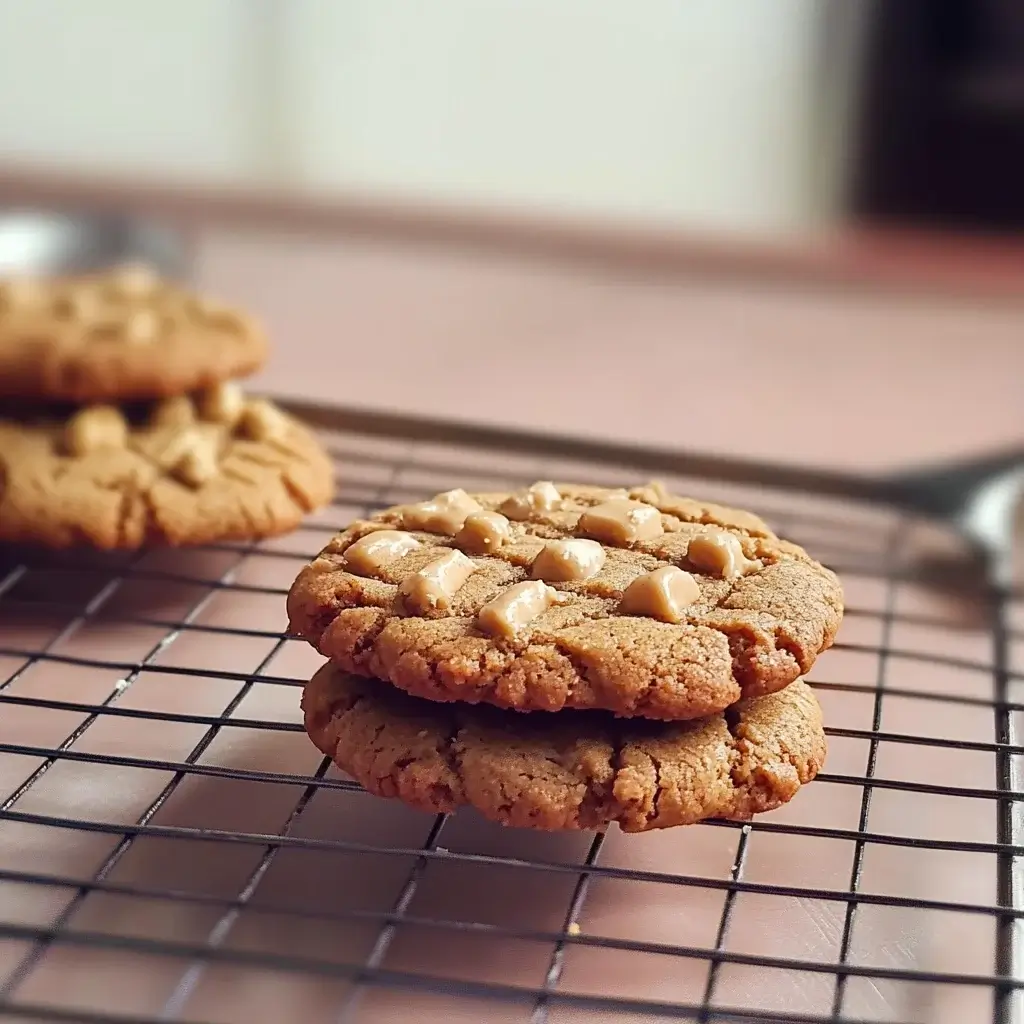

There’s something incredibly satisfying about pulling a tray of warm, perfectly baked cookies from the oven, especially when they fill the kitchen with the nostalgic aroma of peanut butter. But finding a peanut butter cookie recipe that hits all the right notes – chewy, intensely nutty, slightly soft in the center, and maybe even a little bit better-for-you – felt like a quest for the longest time. That quest ended the day I stumbled upon the magic of using almond flour. These Almond Flour Peanut Butter Cookies have become an absolute sensation in my household. They are naturally gluten-free, which is a huge bonus for some of my friends and family, but honestly, everyone loves them regardless. They have a wonderfully tender, almost fudgy texture that traditional flour sometimes struggles to achieve, and the almond flour subtly enhances the nutty flavor profile without overpowering the star: peanut butter. The first time I made these, my partner, a self-proclaimed peanut butter cookie connoisseur, declared them the “best peanut butter cookies ever.” They disappear ridiculously fast, whether served warm with a glass of cold milk or tucked into lunchboxes for a special treat. Simple to make, incredibly delicious, and slightly virtuous – what’s not to love?
Irresistible Almond Flour Peanut Butter Cookie Ingredients
Gathering the right ingredients is the first step towards baking cookie perfection. This recipe relies on simple pantry staples, with almond flour being the key player for that fantastic texture and gluten-free quality. Using good quality peanut butter and finely ground almond flour will yield the best results.
Here’s what you’ll need:
- Peanut Butter: 1 cup creamy natural peanut butter. “Natural” peanut butter (ingredients typically just peanuts and maybe salt) works best as its oil content contributes to the cookie’s texture. Ensure it’s well-stirred before measuring, as the oil can separate. You can use crunchy peanut butter if you prefer chunks, but creamy yields a more uniform cookie.
- Sweetener: ¾ cup packed light brown sugar OR ½ cup maple syrup OR ¾ cup coconut sugar. Brown sugar provides a classic, moist chewiness. Maple syrup adds a distinct flavor and moisture (cookies might spread slightly more). Coconut sugar offers a lower glycemic index alternative with a caramel-like flavor. Choose based on your preference and dietary needs.
- Egg: 1 large egg, at room temperature. Acts as a binder, helping the cookies hold together and adding richness. Room temperature eggs incorporate more easily.
- Vanilla Extract: 1 teaspoon pure vanilla extract. Enhances the overall flavor profile and complements the peanut butter and almond notes.
- Almond Flour: 1 ½ cups finely ground, blanched almond flour. “Blanched” means the skins have been removed, resulting in a lighter color and finer texture. “Finely ground” is crucial for a smooth cookie texture, avoiding grittiness. Do not substitute almond meal, which is coarser. Measure accurately by spooning the flour into the measuring cup and leveling it off.
- Baking Soda: ½ teaspoon. Provides leavening, helping the cookies spread slightly and creating a tender texture.
- Salt: ¼ teaspoon fine sea salt or kosher salt. Balances the sweetness and enhances the peanut butter flavor. Reduce or omit if your peanut butter is heavily salted.
- Optional Add-in: ½ cup chocolate chips (semi-sweet, dark, or milk), chopped peanuts, or other desired mix-ins. Chocolate chips are a classic and highly recommended pairing!
Having ingredients like the egg at room temperature helps them emulsify better into the batter, leading to a more uniform cookie texture. Ensure your baking soda is fresh for proper leavening.
Step-by-Step Baking Instructions
Making these almond flour peanut butter cookies is straightforward. Follow these steps for delicious, chewy results every time. The key is not to overmix the dough and not to overbake the cookies.
- Preheat and Prep: Preheat your oven to 350°F (175°C). Line two large baking sheets with parchment paper or silicone baking mats. This prevents sticking and promotes even baking.
- Mix Wet Ingredients: In a large bowl, combine the well-stirred natural peanut butter, your chosen sweetener (brown sugar, maple syrup, or coconut sugar), the room temperature egg, and the vanilla extract. Using an electric mixer on medium speed or a sturdy whisk, beat these ingredients together until smooth and well combined. Scrape down the sides of the bowl as needed. If using natural peanut butter that was oily, the mixture might look slightly separated initially, but it should come together.
- Combine Dry Ingredients: In a separate medium bowl, whisk together the finely ground almond flour, baking soda, and salt. Whisking helps distribute the baking soda and salt evenly throughout the flour, ensuring consistent results in every cookie.
- Combine Wet and Dry: Add the dry almond flour mixture to the wet peanut butter mixture in the large bowl. Mix on low speed or stir with a wooden spoon or rubber spatula until just combined. Be careful not to overmix at this stage. Overmixing can develop the non-existent gluten (just kidding, but it can make almond flour baked goods tough or oily if over-agitated). Stop mixing as soon as no dry streaks of almond flour remain. The dough will be thick and slightly sticky.
- Stir in Add-ins (Optional): If using chocolate chips or other mix-ins, gently fold them into the dough now using a spatula.
- Portion the Dough: Drop rounded tablespoons of cookie dough onto the prepared baking sheets, about 2 inches apart. A small cookie scoop (about 1.5 tablespoons) works perfectly for uniform size and shape. This recipe typically makes about 18-24 cookies, depending on size.
- Shape the Cookies: Almond flour dough doesn’t spread as much as traditional flour dough. For the classic peanut butter cookie look and to ensure even baking, gently flatten each ball of dough using the back of a fork dipped lightly in granulated sugar or almond flour (to prevent sticking). Press down once, then rotate the fork 90 degrees and press again to create the signature criss-cross pattern. Flatten them to about ½ inch thick.
- Bake: Bake in the preheated oven for 10-13 minutes. The exact time will depend on your oven and the size of your cookies. Look for the edges to be set and lightly golden brown. The centers should still look slightly soft and underdone – they will continue to cook and set as they cool on the baking sheet. Do not overbake, as almond flour cookies can become dry quickly.
- Cool Completely: This step is crucial! Let the cookies cool on the baking sheets for at least 5-10 minutes before attempting to move them. Almond flour cookies are delicate when hot and will firm up significantly as they cool. After 5-10 minutes, carefully transfer the cookies to a wire rack to cool completely. They will become chewier and hold their shape better once fully cooled.
Enjoy the delightful aroma filling your kitchen as these bake and cool!
Nutrition Facts (Approximate)
Understanding the nutritional profile helps you enjoy these delicious cookies mindfully. Keep in mind these are estimates, and actual values vary based on specific ingredients (brand of peanut butter, type of sweetener, size of egg, optional add-ins) and final cookie size.
- Servings: This recipe makes approximately 18-24 cookies.
- Calories per Serving (1 cookie): Roughly 130-180 calories.
Nutritional Considerations:
- Fat: These cookies are relatively high in fat compared to traditional cookies, primarily due to the peanut butter and almond flour. However, much of this is heart-healthy monounsaturated and polyunsaturated fat from the nuts.
- Protein: Thanks to the peanut butter, egg, and almond flour, these cookies contain a decent amount of protein (around 4-6 grams per cookie), making them more satisfying than sugary, low-protein treats.
- Carbohydrates: Using almond flour significantly reduces the carbohydrate count compared to cookies made with wheat flour. The total carbs will depend heavily on the sweetener used (maple syrup and brown sugar add more carbs than a sugar substitute would). They are generally considered lower-carb but not strictly keto unless a keto-friendly sweetener is used.
- Fiber: Almond flour and peanut butter contribute dietary fiber.
- Gluten-Free: As long as all your ingredients (especially almond flour and any add-ins like chocolate chips) are certified gluten-free, these cookies are naturally gluten-free.
For precise nutritional information, use an online calculator and input your specific ingredients and quantities. These cookies offer a good balance of macronutrients for a treat, providing energy, healthy fats, and protein.
Preparation and Cooking Time
Knowing the time commitment helps plan your baking session. These almond flour peanut butter cookies come together relatively quickly!
- Preparation Time: Approximately 10-15 minutes.
- This includes gathering ingredients, measuring, mixing the wet and dry components, combining them, and portioning/shaping the dough onto baking sheets. Using an electric mixer speeds up the initial mixing stage.
- Baking Time: Approximately 10-13 minutes per batch.
- If you have two baking sheets and can bake them simultaneously in a convection oven or rotate them halfway through in a conventional oven, the total baking time remains around 10-13 minutes. If baking one sheet at a time, double this active oven time.
- Cooling Time: Approximately 15-20 minutes (essential for texture and handling).
- 5-10 minutes on the baking sheet + 10-15 minutes on the wire rack until fully cool.
- Total Time: Approximately 35 minutes to 50 minutes (from starting prep to having fully cooled cookies ready to eat).
This makes them a fantastic option for a relatively quick baking project when a cookie craving strikes or you need a homemade treat without spending hours in the kitchen.
How to Serve Your Almond Flour Peanut Butter Cookies
These versatile cookies are delicious on their own, but serving them thoughtfully can elevate the experience. Here are some delightful ways to enjoy them:
- The Classic Companion:
- Serve slightly warm or at room temperature with a tall glass of cold milk (dairy or plant-based). This timeless pairing is hard to beat.
- Coffee or Tea Break:
- Enjoy a cookie (or two!) alongside your morning coffee or afternoon tea for a comforting pick-me-up. The nutty flavor pairs wonderfully with hot beverages.
- Ice Cream Enhancement:
- Crumble cooled cookies over scoops of vanilla, chocolate, or even coffee ice cream for added texture and flavor.
- Use two cookies to create a delicious ice cream sandwich – spread softened ice cream between the flat sides of two cookies and freeze briefly to set.
- Lunchbox Love:
- Pack a couple of cookies in lunchboxes for a delightful surprise treat for kids or adults. They hold up well at room temperature.
- Dessert Platter Addition:
- Include them on a dessert platter alongside other small bites like brownies, fruit, or other cookies for variety. Their distinct nutty flavor adds a nice counterpoint.
- Homemade Gift:
- Package cooled cookies attractively in a tin, box, or cellophane bag tied with a ribbon. They make a wonderful homemade gift for friends, neighbors, teachers, or hosts, especially appreciated by those following a gluten-free diet.
- With a Smear:
- For an extra decadent treat, spread a thin layer of extra peanut butter or even some Nutella or jam on the flat side of a cookie.
However you serve them, their chewy texture and rich peanut butter flavor are sure to be a hit.
Additional Tips for Cookie Perfection
Want to ensure your almond flour peanut butter cookies are the best they can be? Keep these extra tips in mind:
- Peanut Butter Matters: The type and consistency of your peanut butter significantly impact the outcome. Natural peanut butter (runny, needs stirring) is preferred for flavor and texture in this recipe. If it’s very oily, your cookies might spread more. If it’s dry and stiff (often found at the bottom of the jar), your dough might be crumbly. Ensure it’s well-stirred to a smooth, homogenous consistency before measuring. Avoid using overly processed peanut butters with added sugars and hydrogenated oils, as they behave differently.
- Measure Almond Flour Correctly: Almond flour can be dense. Don’t scoop the measuring cup directly into the bag. Instead, spoon the flour lightly into the measuring cup until it’s overflowing, then level it off with a straight edge. Packing the almond flour can lead to using too much, resulting in dry, crumbly cookies. Always use finely ground, blanched almond flour for the best texture.
- Chill the Dough if Spreading is an Issue: If you find your cookies are spreading too much (this can sometimes happen with very oily natural peanut butter or if using maple syrup), try chilling the dough for 30 minutes before portioning and baking. Chilling solidifies the fats (from peanut butter), which helps the cookies maintain their shape better during baking.
- Don’t Overbake – Seriously!: This tip bears repeating because it’s crucial with almond flour. Almond flour browns faster than wheat flour and can go from perfectly baked to dry and crumbly very quickly. Pull the cookies from the oven when the edges are just set and lightly golden, and the centers still look slightly soft. They will firm up perfectly as they cool on the baking sheet. Trust the process!
- Customize with Confidence: These cookies are a great base for customization. Beyond chocolate chips, consider adding:
- Other Chips: White chocolate, peanut butter, or butterscotch chips.
- Nuts: Chopped pecans, walnuts, or extra peanuts for more crunch.
- Seeds: A tablespoon or two of chia seeds or flax seeds for an omega-3 boost.
- Flaky Sea Salt: A sprinkle of flaky sea salt (like Maldon) on top before baking enhances the peanut butter flavor and adds a sophisticated touch.
Experimenting with add-ins and understanding how your ingredients behave will help you perfect your ideal almond flour peanut butter cookie.
Frequently Asked Questions (FAQ)
Here are answers to some common questions about making these almond flour peanut butter cookies:
- Q: Are these cookies truly gluten-free?
- A: Yes, provided all your ingredients are certified gluten-free. Almond flour is naturally gluten-free. However, you should always check the labels on your peanut butter, sweetener, vanilla extract, baking soda, and especially any add-ins like chocolate chips, as some brands may have cross-contamination risks or contain gluten-based additives. If baking for someone with Celiac disease, using certified gluten-free ingredients is essential.
- Q: Can I substitute another flour for almond flour?
- A: You cannot directly substitute wheat flour or most other gluten-free flours (like coconut flour or oat flour) 1:1 for almond flour in this recipe without significantly altering the results. Almond flour has unique properties regarding moisture absorption, fat content, and lack of gluten. Coconut flour, for example, is extremely absorbent and would require major liquid adjustments. Stick with finely ground, blanched almond flour for the intended texture and flavor of this specific recipe.
- Q: My cookies turned out crumbly/dry. What went wrong?
- A: The most common culprits for dry or crumbly almond flour peanut butter cookies are:
- Overbaking: Even an extra minute or two can dry them out. Pull them when the centers still look soft.
- Measuring Almond Flour Incorrectly: Scooping instead of spooning and leveling can lead to using too much flour.
- Peanut Butter Consistency: Using very dry, stiff peanut butter from the bottom of the jar can contribute to dryness.
- Oven Temperature: Ensure your oven temperature is accurate; an oven running hot will bake them too quickly.
- A: The most common culprits for dry or crumbly almond flour peanut butter cookies are:
- Q: How should I store these cookies, and how long do they last?
- A: Store completely cooled cookies in an airtight container at room temperature. Due to the moisture content and almond flour, they are best enjoyed within 3-4 days for optimal texture. They may become slightly softer over time. You can also freeze the baked cookies in an airtight container or freezer bag for up to 2-3 months. Thaw at room temperature before enjoying.
- Q: Can I make these cookies vegan?
- A: Yes, you can likely make these vegan with a simple substitution. Replace the one large egg with a “flax egg.” To make a flax egg, whisk together 1 tablespoon of ground flaxseed meal with 3 tablespoons of water. Let it sit for 5-10 minutes until it becomes gelatinous, then use it in place of the regular egg. Also, ensure your chosen sweetener (maple syrup and coconut sugar are typically vegan, check brown sugar brands) and any add-ins like chocolate chips are certified vegan. The texture might be slightly different, potentially a bit denser, but it should work well.
Almond Flour Peanut Butter Cookies recipe
Ingredients
-
- Peanut Butter: 1 cup creamy natural peanut butter. “Natural” peanut butter (ingredients typically just peanuts and maybe salt) works best as its oil content contributes to the cookie’s texture. Ensure it’s well-stirred before measuring, as the oil can separate. You can use crunchy peanut butter if you prefer chunks, but creamy yields a more uniform cookie.
-
- Sweetener: ¾ cup packed light brown sugar OR ½ cup maple syrup OR ¾ cup coconut sugar. Brown sugar provides a classic, moist chewiness. Maple syrup adds a distinct flavor and moisture (cookies might spread slightly more). Coconut sugar offers a lower glycemic index alternative with a caramel-like flavor. Choose based on your preference and dietary needs.
-
- Egg: 1 large egg, at room temperature. Acts as a binder, helping the cookies hold together and adding richness. Room temperature eggs incorporate more easily.
-
- Vanilla Extract: 1 teaspoon pure vanilla extract. Enhances the overall flavor profile and complements the peanut butter and almond notes.
-
- Almond Flour: 1 ½ cups finely ground, blanched almond flour. “Blanched” means the skins have been removed, resulting in a lighter color and finer texture. “Finely ground” is crucial for a smooth cookie texture, avoiding grittiness. Do not substitute almond meal, which is coarser. Measure accurately by spooning the flour into the measuring cup and leveling it off.
-
- Baking Soda: ½ teaspoon. Provides leavening, helping the cookies spread slightly and creating a tender texture.
-
- Salt: ¼ teaspoon fine sea salt or kosher salt. Balances the sweetness and enhances the peanut butter flavor. Reduce or omit if your peanut butter is heavily salted.
-
- Optional Add-in: ½ cup chocolate chips (semi-sweet, dark, or milk), chopped peanuts, or other desired mix-ins. Chocolate chips are a classic and highly recommended pairing!
Instructions
-
- Preheat and Prep: Preheat your oven to 350°F (175°C). Line two large baking sheets with parchment paper or silicone baking mats. This prevents sticking and promotes even baking.
-
- Mix Wet Ingredients: In a large bowl, combine the well-stirred natural peanut butter, your chosen sweetener (brown sugar, maple syrup, or coconut sugar), the room temperature egg, and the vanilla extract. Using an electric mixer on medium speed or a sturdy whisk, beat these ingredients together until smooth and well combined. Scrape down the sides of the bowl as needed. If using natural peanut butter that was oily, the mixture might look slightly separated initially, but it should come together.
-
- Combine Dry Ingredients: In a separate medium bowl, whisk together the finely ground almond flour, baking soda, and salt. Whisking helps distribute the baking soda and salt evenly throughout the flour, ensuring consistent results in every cookie.
-
- Combine Wet and Dry: Add the dry almond flour mixture to the wet peanut butter mixture in the large bowl. Mix on low speed or stir with a wooden spoon or rubber spatula until just combined. Be careful not to overmix at this stage. Overmixing can develop the non-existent gluten (just kidding, but it can make almond flour baked goods tough or oily if over-agitated). Stop mixing as soon as no dry streaks of almond flour remain. The dough will be thick and slightly sticky.
-
- Stir in Add-ins (Optional): If using chocolate chips or other mix-ins, gently fold them into the dough now using a spatula.
-
- Portion the Dough: Drop rounded tablespoons of cookie dough onto the prepared baking sheets, about 2 inches apart. A small cookie scoop (about 1.5 tablespoons) works perfectly for uniform size and shape. This recipe typically makes about 18-24 cookies, depending on size.
-
- Shape the Cookies: Almond flour dough doesn’t spread as much as traditional flour dough. For the classic peanut butter cookie look and to ensure even baking, gently flatten each ball of dough using the back of a fork dipped lightly in granulated sugar or almond flour (to prevent sticking). Press down once, then rotate the fork 90 degrees and press again to create the signature criss-cross pattern. Flatten them to about ½ inch thick.
-
- Bake: Bake in the preheated oven for 10-13 minutes. The exact time will depend on your oven and the size of your cookies. Look for the edges to be set and lightly golden brown. The centers should still look slightly soft and underdone – they will continue to cook and set as they cool on the baking sheet. Do not overbake, as almond flour cookies can become dry quickly.
-
- Cool Completely: This step is crucial! Let the cookies cool on the baking sheets for at least 5-10 minutes before attempting to move them. Almond flour cookies are delicate when hot and will firm up significantly as they cool. After 5-10 minutes, carefully transfer the cookies to a wire rack to cool completely. They will become chewier and hold their shape better once fully cooled.
Nutrition
- Serving Size: one normal portion
- Calories: 130-180