
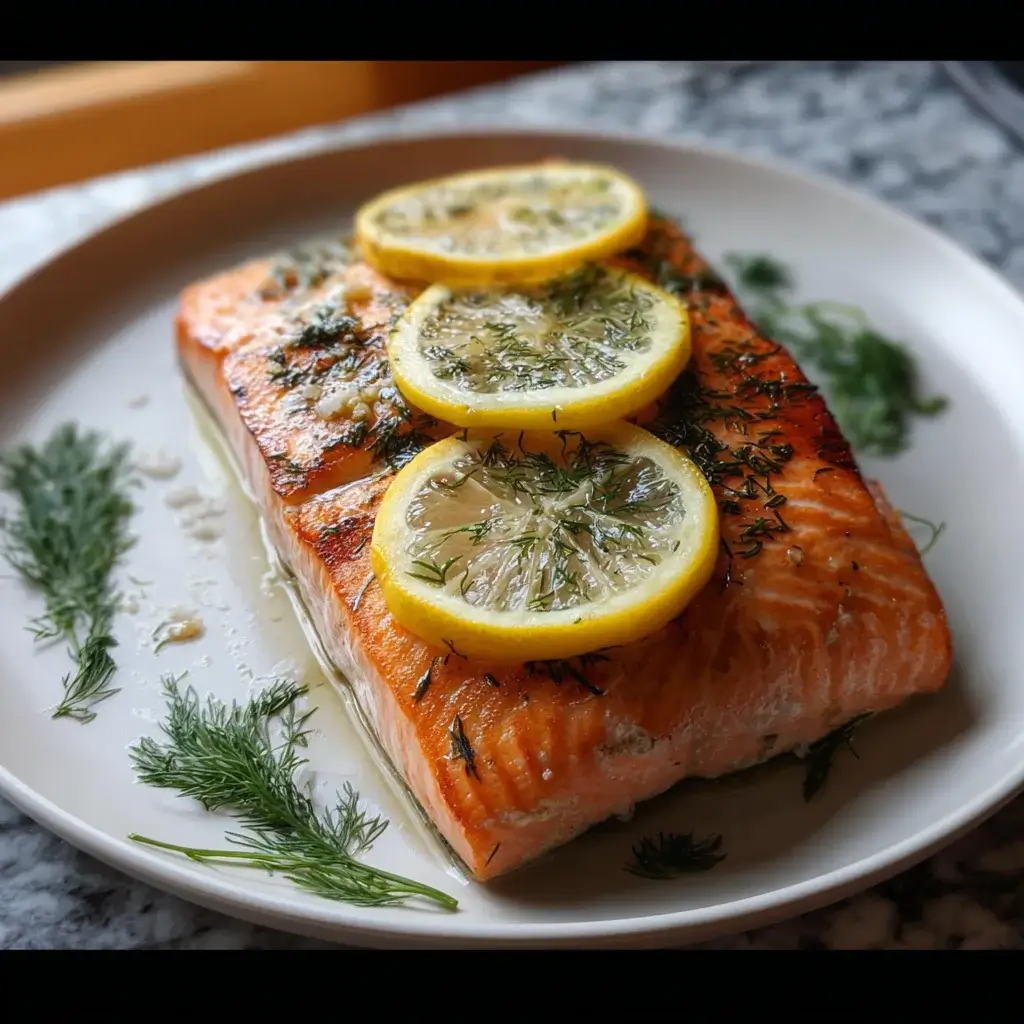

There are certain meals that feel like a sophisticated secret, a culinary sleight of hand that delivers five-star flavor with laughably little effort. For the longest time, I thought perfectly cooked salmon—with its crispy, crackling skin and impossibly moist, flaky interior—was the exclusive domain of restaurant chefs with years of training. My own attempts in the oven or on the stovetop were a frustrating gamble, often resulting in salmon that was either tragically dry or had a disappointingly soft skin. Then, on a Tuesday that felt more like a Monday, I decided to entrust my beautiful, expensive salmon fillets to my air fryer. I kept it simple: a drizzle of good olive oil, a generous shower of fresh dill, and a bright squeeze of lemon. What emerged less than 10 minutes later was nothing short of a miracle. The skin was as crisp as a potato chip, the flesh was succulent and tender, and the aroma of lemon and dill filled my kitchen with the promise of a truly special meal. That night, my family and I ate in near-reverent silence. This wasn’t just dinner; it was a revelation. This Air Fryer Salmon with Lemon and Dill recipe has since become my go-to for everything from hectic weeknight dinners to impressive-looking but secretly easy meals for guests. It’s my little secret, and I’m absolutely delighted to share it with you.
Air Fryer Salmon with Lemon and Dill: The Ultimate 10-Minute Meal
This recipe hinges on the quality of its simple ingredients and the high-heat efficiency of the air fryer. The result is a healthy, elegant, and incredibly fast meal that tastes like it took hours to prepare. We are aiming for a perfect textural contrast: a snappy, seasoned skin giving way to tender, flaky fish infused with bright, fresh flavors.
Yields: 2 servings
Prep time: 5 minutes
Cook time: 7-9 minutes
Ingredients
- Salmon Fillets: 2 (6-ounce / 170g each) center-cut salmon fillets, skin-on and about 1-inch thick
- Olive Oil: 1 tablespoon extra virgin olive oil
- Fresh Dill: 2 tablespoons, finely chopped
- Lemon: 1 whole lemon, divided (you will use the zest of the whole lemon and the juice of half)
- Garlic Powder: ½ teaspoon
- Kosher Salt: ½ teaspoon
- Black Pepper: ¼ teaspoon, freshly ground
Step-by-Step Instructions to Flawless Air Fryer Salmon
Following this simple process will ensure your salmon is cooked to perfection every single time. The magic lies in the preparation and the unique cooking environment of the air fryer.
Instructions
- Prepare the Salmon (The Critical First Step): Remove the salmon fillets from the refrigerator and place them on a plate lined with paper towels. Use another paper towel to pat the entire surface of both fillets, especially the skin side, until they are completely dry. Removing the surface moisture is the most important secret to achieving an exceptionally crispy skin. Water creates steam, which is the enemy of crispiness. Let the salmon sit at room temperature for about 10-15 minutes while you prepare the seasoning; this helps it cook more evenly.
- Create the Flavor Paste: In a small bowl, combine the 1 tablespoon of olive oil, the 2 tablespoons of finely chopped fresh dill, the zest from your entire lemon (use a microplane or the fine side of a box grater), the ½ teaspoon of garlic powder, ½ teaspoon of kosher salt, and ¼ teaspoon of black pepper. Stir everything together until it forms a fragrant, herb-flecked paste. Creating a paste ensures the seasonings adhere evenly to the fish rather than just falling off.
- Season the Salmon: Using your fingers or a small spoon, generously coat the flesh side of each salmon fillet with the lemon-dill paste. Rub it in gently to make sure the entire top surface is covered. Don’t worry about seasoning the skin side; the salt from the paste will subtly permeate, and we want the skin itself to get as dry and crisp as possible.
- Preheat Your Air Fryer: Turn your air fryer on and set the temperature to 400°F (200°C). Let it preheat for at least 5 minutes. A hot start is essential for searing the outside of the salmon quickly, locking in the juices, and immediately starting the process of rendering the fat from the skin to make it crispy.
- Cook the Salmon: Once preheated, you can either place a small piece of air fryer-safe parchment paper in the basket for easy cleanup or lightly spray the basket with oil. Carefully place the seasoned salmon fillets in the air fryer basket, skin-side down. Ensure there is some space between the fillets for the hot air to circulate. There is no need to flip the salmon during cooking; the air fryer will circulate heat all around it.
- The Cooking Process: Air fry at 400°F (200°C) for 7 to 9 minutes. The exact time will depend on the thickness of your fillets and your specific air fryer model. Thinner fillets (under 1 inch) may be done in as little as 6-7 minutes, while thicker ones may need 9-10 minutes.
- Check for Doneness: The salmon is perfectly cooked when it flakes easily with a fork and the center is slightly translucent. For scientific precision and guaranteed results, use an instant-read thermometer. Insert it into the thickest part of the fillet; you are looking for an internal temperature of 130-135°F (54-57°C) for a perfect medium that is moist and tender. For a more well-done fillet, aim for 140-145°F (60-63°C).
- The Final Touch: Carefully remove the salmon from the air fryer using a fish spatula. Squeeze the juice from the reserved half of the lemon over the top of the hot salmon fillets. This final burst of fresh citrus brightens all the flavors. Serve immediately.
A Glimpse into the Nutritional Benefits
This recipe is not only delicious but also a powerhouse of nutrition. The information below is an estimate for one 6-ounce serving, prepared according to the recipe.
Nutrition Facts
- Servings: 2
- Calories Per Serving: Approximately 410-450 kcal
- Key Nutrients: This dish is exceptionally rich in high-quality protein and heart-healthy Omega-3 fatty acids (EPA and DHA). It is also naturally low in carbohydrates, making it an excellent choice for various dietary approaches.
Fast Food, Done Right: A Time Breakdown
This is the epitome of a quick and healthy meal, perfect for when you’re short on time but unwilling to compromise on quality or flavor.
Preparation Time
- Active Prep Time: 5 minutes
- Cook Time: 7-9 minutes
- Total Time: 12-14 minutes
How to Serve: Creating a Complete, Elegant Meal
A perfectly cooked piece of salmon is a versatile star that pairs beautifully with a wide array of side dishes. Here are some ideas to turn your air fryer salmon into a memorable meal.
- Light and Healthy Companions:
- Steamed Asparagus: Toss asparagus spears with a little olive oil, salt, and pepper, and you can even cook them in the air fryer for a few minutes before or after the salmon.
- Quinoa Salad: A bed of fluffy quinoa tossed with cucumber, cherry tomatoes, and a light lemon vinaigrette.
- Simple Arugula Salad: The peppery bite of fresh arugula dressed with a squeeze of lemon and a drizzle of olive oil is a perfect, simple counterpoint to the rich salmon.
- Roasted Broccoli or Broccolini: The slight char from roasting brings out the sweetness of the broccoli, which complements the dill and lemon flavors.
- Classic and Comforting Pairings:
- Creamy Dill Potatoes: Baby potatoes boiled until tender and tossed in butter, fresh dill, and salt.
- Garlic and Herb Rice Pilaf: A fragrant rice pilaf serves as a wonderful base to soak up any juices from the salmon.
- Lemon Orzo: Orzo pasta tossed with lemon juice, feta cheese, and fresh parsley creates a Mediterranean-inspired side dish.
- Creamy Polenta: The soft, comforting texture of creamy polenta is a luxurious bed for the flaky salmon.
- Toppings and Sauces for Extra Flair:
- Dill Yogurt Sauce: A simple, cooling sauce made by mixing plain Greek yogurt with chopped fresh dill, a squeeze of lemon juice, and a pinch of salt.
- Cucumber Salsa: A refreshing mix of finely diced cucumber, red onion, and dill.
- Caper Gremolata: A vibrant topping of chopped parsley, garlic, lemon zest, and capers.
Additional Tips for Salmon Supremacy
These expert tips will help you master the art of air fryer salmon and customize it to your liking.
- Don’t Crowd the Basket: This is the golden rule of air frying. For the skin to get truly crispy and the salmon to cook evenly, the hot air needs to be able to circulate freely around each fillet. If you are doubling the recipe, it is far better to cook the salmon in two separate batches than to try and squeeze them all in at once.
- The Magic of Parchment Liners: While not essential, using an air fryer parchment paper liner makes cleanup virtually nonexistent. The paper catches any drips of oil or albumin (the white protein that can seep out), and you can lift the entire piece of salmon out without it breaking. Just be sure to use liners with holes to allow for proper air circulation, and never preheat the air fryer with the liner inside by itself, as it can fly up into the heating element.
- Invest in a Fish Spatula: A thin, flexible fish spatula is an invaluable tool for this recipe. It’s designed to slide cleanly under delicate items like fish fillets, allowing you to lift them from the air fryer basket in one beautiful, intact piece without breaking the flaky flesh or leaving the crispy skin behind.
- Embrace Flavor Variations: This lemon and dill recipe is a fantastic starting point, but don’t be afraid to experiment!
- Asian-Inspired: Swap the dill and lemon for a paste of soy sauce (or tamari), minced ginger, garlic, and a touch of honey.
- Smoky and Sweet: Use smoked paprika, a pinch of brown sugar, onion powder, and garlic powder.
- Mediterranean: Use dried oregano, garlic, and top with crumbled feta and Kalamata olives after cooking.
- Understanding the White Stuff (Albumin): Sometimes you might see a white, gelatinous substance form on the surface of the salmon as it cooks. This is called albumin, and it’s just a harmless protein that is pushed out of the muscle fibers as they heat up. While perfectly safe to eat, you can minimize its appearance by not overcooking the salmon and by giving the fish a quick 10-minute brine (1 tablespoon of salt per cup of water) before patting it dry and seasoning.
Frequently Asked Questions (FAQ)
Here are the answers to the most common questions about making salmon in the air fryer.
1. Should I use skin-on or skinless salmon?
For this recipe, skin-on salmon is highly recommended. The air fryer does an incredible job of rendering the fat in the skin, turning it into a deliciously crispy, cracker-like texture that many people consider the best part. If you only have skinless salmon, the recipe will still work perfectly. The cook time remains the same, but you will miss out on that crispy skin experience.
2. Can I cook frozen salmon fillets in the air fryer?
Yes, you can, which is a lifesaver for last-minute dinners! Place the frozen fillets (unseasoned) in the air fryer and cook at 380°F (190°C) for about 5-7 minutes to thaw them. Then, remove them, pat them dry, apply your oil and seasoning paste, and return them to the air fryer at 400°F (200°C) for another 6-8 minutes, or until cooked through. The total time will be longer, but it’s a fantastic option to have.
3. Why did my salmon stick to the air fryer basket?
Sticking usually happens for one of two reasons. Either the air fryer basket wasn’t preheated properly, or there wasn’t a sufficient barrier between the fish and the basket. Ensure your air fryer is fully preheated before adding the salmon. Placing the salmon skin-side down also helps, as the skin creates its own non-stick layer as it renders. For foolproof prevention, use a spritz of high-smoke-point oil or an air fryer parchment liner.
4. What’s the best type of salmon to use for this recipe?
Any type of salmon will work, but for the best flavor and texture, look for thicker, center-cut fillets of King (Chinook), Coho, or Sockeye salmon. These tend to be richer in healthy fats, which keeps them moist and flavorful during cooking. Atlantic salmon, which is widely available, also works beautifully. Try to choose fillets that are uniform in thickness so they cook at the same rate.
5. How do I store and reheat leftover salmon?
Store leftover salmon in an airtight container in the refrigerator for up to 2 days. The best way to reheat it without drying it out is, you guessed it, the air fryer! Place the cold salmon fillet in the air fryer and heat at 350°F (175°C) for just 3-4 minutes. This is just enough time to warm it through while re-crisping the skin, leaving the inside tender and moist. Avoid the microwave at all costs, as it will overcook the salmon and make it tough and rubbery.
Air Fryer Salmon with Lemon and Dill recipe
Ingredients
-
Salmon Fillets: 2 (6-ounce / 170g each) center-cut salmon fillets, skin-on and about 1-inch thick
-
Olive Oil: 1 tablespoon extra virgin olive oil
-
Fresh Dill: 2 tablespoons, finely chopped
-
Lemon: 1 whole lemon, divided (you will use the zest of the whole lemon and the juice of half)
-
Garlic Powder: ½ teaspoon
-
Kosher Salt: ½ teaspoon
-
Black Pepper: ¼ teaspoon, freshly ground
Instructions
-
Prepare the Salmon (The Critical First Step): Remove the salmon fillets from the refrigerator and place them on a plate lined with paper towels. Use another paper towel to pat the entire surface of both fillets, especially the skin side, until they are completely dry. Removing the surface moisture is the most important secret to achieving an exceptionally crispy skin. Water creates steam, which is the enemy of crispiness. Let the salmon sit at room temperature for about 10-15 minutes while you prepare the seasoning; this helps it cook more evenly.
-
Create the Flavor Paste: In a small bowl, combine the 1 tablespoon of olive oil, the 2 tablespoons of finely chopped fresh dill, the zest from your entire lemon (use a microplane or the fine side of a box grater), the ½ teaspoon of garlic powder, ½ teaspoon of kosher salt, and ¼ teaspoon of black pepper. Stir everything together until it forms a fragrant, herb-flecked paste. Creating a paste ensures the seasonings adhere evenly to the fish rather than just falling off.
-
Season the Salmon: Using your fingers or a small spoon, generously coat the flesh side of each salmon fillet with the lemon-dill paste. Rub it in gently to make sure the entire top surface is covered. Don’t worry about seasoning the skin side; the salt from the paste will subtly permeate, and we want the skin itself to get as dry and crisp as possible.
-
Preheat Your Air Fryer: Turn your air fryer on and set the temperature to 400°F (200°C). Let it preheat for at least 5 minutes. A hot start is essential for searing the outside of the salmon quickly, locking in the juices, and immediately starting the process of rendering the fat from the skin to make it crispy.
-
Cook the Salmon: Once preheated, you can either place a small piece of air fryer-safe parchment paper in the basket for easy cleanup or lightly spray the basket with oil. Carefully place the seasoned salmon fillets in the air fryer basket, skin-side down. Ensure there is some space between the fillets for the hot air to circulate. There is no need to flip the salmon during cooking; the air fryer will circulate heat all around it.
-
The Cooking Process: Air fry at 400°F (200°C) for 7 to 9 minutes. The exact time will depend on the thickness of your fillets and your specific air fryer model. Thinner fillets (under 1 inch) may be done in as little as 6-7 minutes, while thicker ones may need 9-10 minutes.
-
Check for Doneness: The salmon is perfectly cooked when it flakes easily with a fork and the center is slightly translucent. For scientific precision and guaranteed results, use an instant-read thermometer. Insert it into the thickest part of the fillet; you are looking for an internal temperature of 130-135°F (54-57°C) for a perfect medium that is moist and tender. For a more well-done fillet, aim for 140-145°F (60-63°C).
-
The Final Touch: Carefully remove the salmon from the air fryer using a fish spatula. Squeeze the juice from the reserved half of the lemon over the top of the hot salmon fillets. This final burst of fresh citrus brightens all the flavors. Serve immediately.
Nutrition
- Serving Size: one normal portion
- Calories: 410-450 kcal