

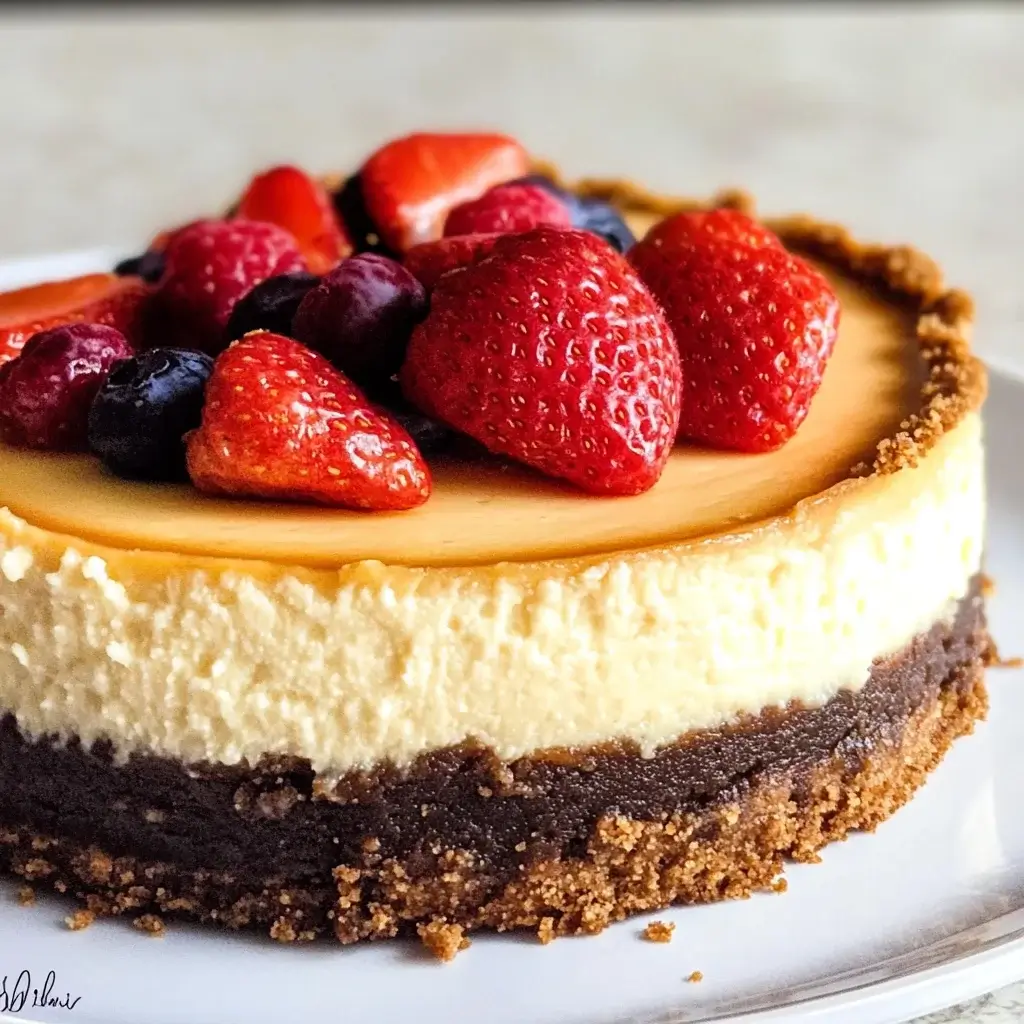

Spring is the perfect time for lighter, brighter desserts, and while cheesecake might seem rich, this Almond Flour Crust Cheesecake is surprisingly delicate and flavorful. In my house, we’re always trying to balance indulgence with healthier options, and this recipe has become a go-to for special occasions and even just a weekend treat. The almond flour crust adds a lovely nutty flavor and a slightly crumbly texture that’s a wonderful contrast to the creamy, smooth cheesecake filling. My family absolutely loves it – even my husband, who’s usually a chocolate dessert fanatic, raves about this cheesecake. It’s elegant enough to impress guests, yet simple enough to whip up for a weeknight dessert project. If you’re looking for a delicious, gluten-free, and slightly lighter take on classic cheesecake, you absolutely have to try this recipe!
Ingredients for Your Almond Flour Crust Cheesecake
Creating this delectable Almond Flour Crust Cheesecake starts with gathering the right ingredients, and quality truly makes a difference here. Let’s break down what you’ll need for both the crust and the creamy filling, ensuring you have everything on hand to bake a truly exceptional dessert.
For the Nutty Almond Flour Crust:
The almond flour crust is what sets this cheesecake apart. It’s naturally gluten-free, adds a delightful nutty flavor, and provides a satisfyingly crumbly texture. Here’s what you’ll need to create the perfect base:
- 1 ½ cups blanched almond flour: Almond flour is the star of our crust. It’s made from blanched almonds that have had their skins removed and are then finely ground. Blanched almond flour is preferred over almond meal (which includes the skins) for a smoother texture and lighter color in the crust. Ensure you are using almond flour and not almond meal, as they are different and will affect the crust’s texture. If you are particularly sensitive to texture, you can sift the almond flour to remove any larger particles, although this is generally not necessary with finely ground blanched almond flour.
- ¼ cup granulated sweetener (or powdered sweetener for a smoother crust): Sweetness is essential for balancing the nutty flavor of the almond flour and complementing the cheesecake filling. You can use granulated sugar, but for an even smoother crust texture, powdered sweetener (like powdered sugar or a powdered sugar substitute) is recommended. Powdered sweetener dissolves more readily into the butter and almond flour, creating a more cohesive dough. If using granulated sweetener, ensure it is finely granulated for best results. For sugar-free options, you can use erythritol, xylitol, or stevia-based powdered sweeteners, adjusting the amount to your sweetness preference.
- 6 tablespoons unsalted butter, melted: Butter is the binding agent and adds richness and flavor to the crust. Unsalted butter is preferred so you can control the salt level in the crust. Melt the butter completely and allow it to cool slightly before mixing it with the almond flour and sweetener. This prevents the butter from cooking the sweetener and ensures even distribution throughout the crust mixture. If you are dairy-free, you can substitute with melted coconut oil or a vegan butter alternative, but butter provides the best flavor and texture for this crust.
- ¼ teaspoon salt: Salt is crucial for balancing the sweetness and enhancing the flavors of both the almond flour and the butter. It prevents the crust from tasting flat or one-dimensional. Use fine sea salt or table salt. If using kosher salt, you may need to use a slightly larger pinch as it is less dense than table salt.
For the Creamy Cheesecake Filling:
The filling is the heart of any cheesecake, and this recipe focuses on achieving a perfectly smooth, rich, and tangy filling that complements the almond flour crust beautifully. Here’s what you’ll need:
- 3 (8-ounce) packages full-fat cream cheese, softened to room temperature: Cream cheese is the foundation of our cheesecake filling, providing its signature creamy texture and tangy flavor. Full-fat cream cheese is essential for achieving a rich and decadent cheesecake. Reduced-fat cream cheese can be used, but it may result in a slightly less creamy texture. Ensure the cream cheese is fully softened to room temperature before mixing. This is crucial for a smooth, lump-free filling. Cold cream cheese will not incorporate properly and can lead to a grainy texture. You can speed up the softening process by cutting the cream cheese into smaller cubes and letting it sit at room temperature for about 30-60 minutes.
- 1 ½ cups granulated sweetener (or powdered sweetener for an extra smooth filling): Sweetness in the filling needs to be balanced with the tanginess of the cream cheese and other flavors. Similar to the crust, you can use granulated sugar, but powdered sweetener is highly recommended for an ultra-smooth cheesecake filling. Powdered sweetener dissolves seamlessly into the cream cheese, ensuring a silky texture. If using granulated sweetener, ensure it is finely granulated and beat it thoroughly with the cream cheese to minimize any graininess. Again, sugar-free powdered sweetener alternatives can be used as needed.
- 4 large eggs, room temperature: Eggs are essential for binding the cheesecake filling and providing structure and richness. Using room temperature eggs is important because they emulsify better into the batter, creating a smoother and more cohesive filling. Room temperature eggs also help to prevent the cheesecake from cracking during baking. If you forgot to take your eggs out of the refrigerator, you can quickly warm them by placing them in a bowl of warm (not hot) water for about 5-10 minutes.
- 1 teaspoon vanilla extract: Vanilla extract enhances the overall flavor profile of the cheesecake, adding warmth and depth. Use pure vanilla extract for the best flavor, avoiding imitation vanilla if possible. You can also experiment with vanilla bean paste for an even more intense vanilla flavor and visible vanilla bean specks in the cheesecake.
- 2 tablespoons lemon juice, freshly squeezed: Fresh lemon juice adds a crucial touch of brightness and tanginess that balances the richness of the cream cheese and sweetness of the sugar. Freshly squeezed lemon juice is always preferred over bottled lemon juice for its brighter and more vibrant flavor. The acidity of the lemon juice also helps to tenderize the cheesecake and prevent it from becoming too dense. You can adjust the amount of lemon juice to your preference, but 2 tablespoons is a good starting point for a balanced flavor.
- ½ cup heavy cream or sour cream (for added richness and tang): Adding heavy cream or sour cream enhances the creaminess and richness of the cheesecake filling. Heavy cream will result in a slightly richer and smoother cheesecake, while sour cream will add a subtle tang and slightly denser texture. You can choose whichever you prefer or even use a combination of both. Full-fat sour cream is recommended for the best flavor and texture. If using heavy cream, ensure it is cold before adding it to the filling.
- Optional: ¼ teaspoon almond extract (to enhance the almond flavor): To further enhance the almond flavor and complement the almond flour crust, you can add a touch of almond extract to the filling. Almond extract is potent, so use it sparingly – ¼ teaspoon is usually sufficient. If you are not a fan of almond extract, you can omit it without significantly altering the overall flavor of the cheesecake.
Optional additions for your Cheesecake Filling:
- Lemon zest: For an extra burst of citrus flavor, add 1-2 teaspoons of lemon zest to the filling.
- Spices: A pinch of nutmeg, cinnamon, or cardamom can add warmth and complexity to the cheesecake filling.
- Flavor extracts: Experiment with other extracts like orange extract, coconut extract, or even a hint of rose water for unique flavor variations.
Having all these quality ingredients prepared and measured out will set you up for success in baking a truly delicious and impressive Almond Flour Crust Cheesecake! Remember, using room temperature ingredients and high-quality cream cheese are key factors in achieving the perfect texture and flavor.
Instructions: Baking Your Almond Flour Crust Cheesecake
Now that you have all your ingredients ready, let’s move on to the step-by-step instructions for baking your Almond Flour Crust Cheesecake. We’ll break it down into making the crust, preparing the filling, baking, and cooling to ensure you achieve cheesecake perfection.
Making the Almond Flour Crust:
The crust is the foundation of our cheesecake, and it’s surprisingly simple to make. Follow these steps for a perfectly nutty and crumbly almond flour crust:
- Preheat Oven and Prepare Pan: Preheat your oven to 350°F (175°C). Lightly grease a 9-inch springform pan. For easier removal and a neater presentation, line the bottom of the pan with parchment paper cut to fit the base. Greasing the sides helps the crust release easily.
- Combine Dry Ingredients: In a medium bowl, whisk together the almond flour, sweetener (granulated or powdered), and salt until well combined. This ensures even distribution of the sweetener and salt throughout the crust.
- Add Melted Butter: Pour the melted and slightly cooled butter into the dry ingredients. Stir with a fork until the mixture is evenly moistened and resembles damp sand. The mixture should hold together when you press it between your fingers.
- Press into Pan: Press the almond flour mixture evenly into the bottom of the prepared springform pan. Use the back of a spoon or the bottom of a measuring cup to firmly press the crust into an even layer. You can also bring the crust slightly up the sides of the pan if you prefer a higher crust edge, but this is optional.
- Pre-bake the Crust (Optional but Recommended): For a crispier crust, pre-bake it in the preheated oven for 8-10 minutes. Pre-baking helps to set the crust and prevent it from becoming soggy when the moist cheesecake filling is added. If you skip pre-baking, the crust will still be delicious, but may be slightly softer. After pre-baking, remove the crust from the oven and let it cool slightly while you prepare the filling.
Preparing the Creamy Cheesecake Filling:
The filling is where the magic happens, transforming simple ingredients into a rich and decadent cheesecake. Follow these steps for a smooth and creamy filling:
- Beat Cream Cheese and Sweetener: In a large bowl or the bowl of a stand mixer fitted with the paddle attachment, beat the softened cream cheese and sweetener (granulated or powdered) together on medium speed until completely smooth and creamy. This step is crucial for a lump-free filling. Scrape down the sides of the bowl as needed to ensure all the cream cheese is incorporated. Beat for at least 2-3 minutes until the mixture is light and fluffy.
- Incorporate Eggs One at a Time: Beat in the eggs one at a time, mixing until just combined after each addition. Do not overmix at this stage. Overmixing after adding eggs can incorporate too much air into the batter, which can lead to cracks on the surface of the cheesecake during baking. Mix each egg in just until it disappears into the batter.
- Add Flavorings: Stir in the vanilla extract, fresh lemon juice, and almond extract (if using). Mix until just combined.
- Add Heavy Cream or Sour Cream: Gently fold in the heavy cream or sour cream (or a combination of both) until just incorporated. Again, avoid overmixing. Folding gently helps to maintain the smooth texture of the batter.
- Pour Filling into Crust: Pour the prepared cheesecake filling evenly over the cooled almond flour crust in the springform pan. Smooth the top of the filling with a spatula if needed.
Baking and Cooling the Cheesecake:
Baking and cooling are critical steps for achieving a perfectly textured cheesecake without cracks. The water bath and slow cooling methods are essential for success.
- Prepare a Water Bath: A water bath is crucial for baking cheesecake evenly and preventing cracks. Wrap the bottom of your springform pan tightly with heavy-duty aluminum foil to prevent water from seeping into the crust. Place the wrapped springform pan inside a larger roasting pan.
- Add Hot Water to Roasting Pan: Carefully pour hot water into the roasting pan surrounding the springform pan, filling it about halfway up the sides of the cheesecake pan. The water bath creates a humid environment in the oven, which helps the cheesecake bake gently and evenly.
- Bake in Water Bath: Carefully transfer the roasting pan with the cheesecake and water bath to the preheated oven. Bake for 55-70 minutes, or until the cheesecake is set around the edges but still slightly jiggly in the center. The center should wobble slightly when you gently shake the pan. The baking time may vary depending on your oven, so check for doneness around 55 minutes and adjust accordingly.
- Turn Off Oven and Cool Gradually: Once the cheesecake is done, turn off the oven and leave the oven door slightly ajar (prop it open with a wooden spoon or oven mitt). Let the cheesecake cool in the oven with the door ajar for 1 hour. This slow cooling process helps to prevent cracks from forming as the cheesecake cools down.
- Remove from Oven and Water Bath: After 1 hour of cooling in the oven, remove the roasting pan with the cheesecake from the oven and carefully remove the springform pan from the water bath. Remove the aluminum foil from the bottom of the springform pan.
- Cool to Room Temperature: Let the cheesecake cool completely at room temperature on a wire rack. This will take about 2-3 hours.
- Chill in Refrigerator: Once cooled to room temperature, cover the cheesecake loosely with plastic wrap and refrigerate for at least 6 hours, or preferably overnight. Chilling is essential for the cheesecake to fully set and develop its signature creamy texture and flavor.
Serving Your Almond Flour Crust Cheesecake:
Once your cheesecake is thoroughly chilled, it’s ready to be served and enjoyed! Gently remove the sides of the springform pan. If the cheesecake is sticking to the pan, you can run a thin knife or offset spatula around the edges to loosen it before releasing the sides. Transfer the cheesecake to a serving platter or leave it on the springform pan base. Slice and serve chilled. Consider adding toppings or accompaniments for an extra touch of elegance.
Following these detailed instructions, especially the water bath baking and slow cooling techniques, will guide you to baking a perfect Almond Flour Crust Cheesecake that is sure to impress with its creamy texture, nutty crust, and delightful flavor!
Nutrition Facts: Almond Flour Crust Cheesecake
This Almond Flour Crust Cheesecake, while undeniably delicious and satisfying, is still a dessert and should be enjoyed in moderation as part of a balanced diet. However, using almond flour for the crust does offer some nutritional advantages compared to traditional graham cracker crusts. Here’s an estimated nutritional breakdown per serving:
Servings: Approximately 12 servings (depending on slice size)
Serving Size: 1 slice (approximately 1/12th of the cheesecake)
Approximate Calories per Serving: 400-450 calories (This is an estimate and can vary based on specific ingredients and portion sizes).
Detailed Nutritional Breakdown (per Serving – Estimated):
- Calories: 400-450 kcal
- Protein: 8-10 grams: Primarily from the cream cheese, eggs, and almond flour, contributing to satiety.
- Fat: 30-35 grams: High in fat, primarily from cream cheese, butter, and almond flour. The type of fat is a mix of saturated, monounsaturated, and polyunsaturated fats. Almond flour contributes healthy monounsaturated fats.
- Saturated Fat: 18-22 grams: Significant amount of saturated fat from cream cheese and butter.
- Cholesterol: 150-200 mg: Cholesterol content is moderate to high due to eggs and cream cheese.
- Sodium: 200-300 mg: Sodium content is moderate.
- Carbohydrates: 20-25 grams: Carbohydrates primarily from sweetener and almond flour. Lower in carbohydrates than traditional cheesecakes with graham cracker crusts and higher sugar content.
- Fiber: 2-3 grams: Fiber content is contributed by almond flour. Higher in fiber than traditional cheesecakes.
- Sugar: 15-20 grams: Sugar content is moderate, depending on the type and amount of sweetener used. Can be reduced by using sugar substitutes.
Vitamins and Minerals (per Serving – Estimated):
- Vitamin A: Moderate amount, from cream cheese and eggs.
- Calcium: Moderate amount, from cream cheese.
- Iron: Small amount, from almond flour and eggs.
- Vitamin E: From almond flour, an antioxidant.
- Magnesium: From almond flour, an essential mineral.
Nutritional Advantages of Almond Flour Crust:
- Gluten-Free: Naturally gluten-free, making it suitable for individuals with gluten sensitivities or celiac disease.
- Lower in Carbohydrates: Almond flour is lower in carbohydrates compared to graham crackers or wheat flour, making this a potentially lower-carb option than traditional cheesecake.
- Higher in Fiber: Almond flour is a good source of dietary fiber, contributing to digestive health and satiety.
- Healthy Fats: Almond flour provides healthy monounsaturated fats, which are beneficial for heart health.
- Nutrients: Almond flour contains vitamins and minerals like Vitamin E and Magnesium.
Important Note: These nutritional values are estimates and can vary significantly based on the specific brands and types of ingredients used, the amount of sweetener, and the size of each serving. For more precise nutritional information, you can use online nutrition calculators and input the specific ingredients you use.
While this Almond Flour Crust Cheesecake offers some nutritional benefits compared to traditional cheesecakes, it is still a rich dessert. Enjoy it in moderation as an occasional treat as part of a healthy and balanced dietary pattern. Consider reducing the sugar content by using sugar substitutes if desired.
Preparation Time for Almond Flour Crust Cheesecake
Baking an Almond Flour Crust Cheesecake is a rewarding experience, but it does require some time and planning, especially considering the chilling time. Here’s a breakdown of the estimated preparation time:
Total Preparation Time: Approximately 8-10 hours (including chilling time)
This time can be broken down into active preparation time and inactive time (baking and cooling/chilling):
- Active Preparation Time: 45-60 minutes
- Crust Preparation: 10-15 minutes (mixing ingredients, pressing into pan, pre-baking – if doing)
- Filling Preparation: 20-25 minutes (softening cream cheese, beating filling ingredients)
- Water Bath Preparation and Assembly: 10-15 minutes (wrapping pan, preparing water bath, pouring filling)
- Baking Time: 55-70 minutes
- Cooling Time (in oven): 1 hour
- Cooling Time (at room temperature): 2-3 hours
- Chilling Time (in refrigerator): Minimum 6 hours, ideally overnight (8+ hours)
Tips to Manage Preparation Time:
- Make the crust ahead of time: The almond flour crust can be made a day in advance and stored at room temperature in the springform pan, covered with plastic wrap. This saves a few minutes on baking day.
- Soften cream cheese ahead: Take cream cheese out of the refrigerator several hours in advance, or even the day before, to ensure it is fully softened. This significantly reduces mixing time and ensures a smooth filling.
- Prepare the water bath while preheating oven: You can prepare the roasting pan and aluminum foil for the water bath while the oven is preheating, streamlining the process.
- Chill overnight: Plan to bake the cheesecake at least a day before you plan to serve it to allow for adequate chilling time. Overnight chilling is ideal for the best texture and flavor.
Make-Ahead Tips:
- Crust: Can be made 1-2 days in advance and stored at room temperature.
- Cheesecake (Baked): The entire baked cheesecake can be made 1-2 days in advance and stored in the refrigerator, well-covered. In fact, many cheesecakes taste even better the day after baking as the flavors meld and deepen.
- Toppings: Prepare any toppings like fruit compotes or sauces a day or two in advance and store them separately in the refrigerator.
While the total preparation time is lengthy due to baking and chilling, the active hands-on time is relatively short. Breaking down the tasks and utilizing make-ahead tips can make the process more manageable and less daunting. The delicious result is well worth the time invested!
How to Serve Your Almond Flour Crust Cheesecake
Serving your Almond Flour Crust Cheesecake is all about presentation and enhancing the already delightful flavors. Here are some ideas and tips for serving it in style:
Serving Styles and Occasions:
- Dessert for Special Occasions: This cheesecake is elegant and impressive enough for birthdays, anniversaries, holidays, dinner parties, and other special celebrations.
- Elegant Dessert Course: Serve as a sophisticated dessert course after a nice meal. Its richness and flavor make it a perfect finale.
- Tea Time Treat: A slice of almond flour cheesecake pairs wonderfully with afternoon tea or coffee.
- Potluck or Gathering Dessert: Transportable and crowd-pleasing, this cheesecake is a great option to bring to potlucks, picnics, or gatherings.
Presentation Tips:
- Garnish Beautifully: Garnishes elevate the presentation and add visual appeal. Consider these options:
- Fresh Berries: Strawberries, raspberries, blueberries, and blackberries are classic cheesecake toppings that add color, freshness, and a touch of tartness. Arrange them artfully on top of the cheesecake or alongside slices.
- Fruit Compotes or Sauces: Cherry compote, blueberry sauce, raspberry coulis, or lemon curd are delicious and elegant toppings. Drizzle them over the cheesecake or serve them on the side.
- Chocolate Sauce or Ganache: A drizzle of dark chocolate sauce or ganache adds richness and a beautiful contrast to the creamy cheesecake.
- Caramel Sauce: Salted caramel sauce pairs wonderfully with the nutty almond crust and creamy cheesecake.
- Whipped Cream: A dollop of freshly whipped cream provides a light and airy contrast to the rich cheesecake.
- Toasted Almonds or Nuts: Slivered or chopped toasted almonds or pecans enhance the nutty flavor and add a textural crunch.
- Edible Flowers: For a truly elegant touch, garnish with edible flowers like pansies or violas.
- Dusting of Powdered Sweetener: A light dusting of powdered sweetener adds a delicate snowy finish.
- Slice Neatly: Use a sharp, thin knife dipped in hot water and wiped clean between slices for neat, clean cuts. This prevents the cheesecake from dragging or tearing.
- Serving Platter: Transfer the cheesecake to a beautiful serving platter or cake stand to enhance its presentation.
- Individual Servings: For a more formal setting, consider serving individual slices on dessert plates, garnished beautifully.
Serving Temperature:
- Serve Chilled: Almond Flour Crust Cheesecake is best served chilled directly from the refrigerator. This allows the cheesecake to maintain its firm texture and refreshing coolness.
- Let it Sit Briefly (Optional): If you prefer a slightly softer texture, you can let the cheesecake sit at room temperature for about 10-15 minutes before serving, but avoid letting it sit out too long as it will soften too much.
Pairing Suggestions:
- Beverages:
- Coffee: Strong black coffee or latte pairs perfectly with the richness of cheesecake.
- Tea: Black tea, green tea, or herbal teas like chamomile or mint tea are excellent accompaniments.
- Dessert Wines: Sweet dessert wines like Moscato, Riesling, or late-harvest wines complement the sweetness of the cheesecake.
- Fruit Liqueurs: Liqueurs like limoncello or raspberry liqueur can be served alongside or drizzled over the cheesecake.
- Milk or Almond Milk: For a simpler pairing, cold milk or almond milk is a refreshing option.
- Other Desserts (for a Dessert Buffet):
- Fruit Salad: A light and refreshing fruit salad provides a nice contrast to the richness of the cheesecake.
- Chocolate Desserts: If offering a dessert buffet, include some chocolate options for those who prefer chocolate.
- Lemon or Citrus Desserts: Lemon bars or other citrus desserts complement the lemon notes in the cheesecake.
By considering these serving suggestions and presentation tips, you can transform your Almond Flour Crust Cheesecake into a truly memorable and delightful dessert experience for any occasion!
Additional Tips for the Best Almond Flour Crust Cheesecake
To ensure your Almond Flour Crust Cheesecake is a resounding success and becomes a recipe you bake again and again, here are five additional tips to keep in mind:
- Use Room Temperature Ingredients – Especially Cream Cheese and Eggs: This tip cannot be emphasized enough! Room temperature cream cheese and eggs are crucial for creating a smooth, lump-free cheesecake filling. Softened cream cheese blends seamlessly with the sweetener, and room temperature eggs emulsify better into the batter, resulting in a homogenous and creamy texture. If your cream cheese is cold, it will be difficult to beat smooth and may leave lumps in your filling. Cold eggs can also cause the batter to be colder, potentially affecting baking time and texture. Plan ahead to ensure your cream cheese and eggs are at room temperature before you begin.
- Don’t Overmix the Filling After Adding Eggs: Overmixing the cheesecake filling, especially after adding the eggs, is a common mistake that can lead to cracks on the surface of your cheesecake during baking. Overmixing incorporates too much air into the batter. As the cheesecake bakes, this trapped air expands and then deflates as it cools, often causing cracks. Mix the filling just until the eggs are incorporated and the batter is smooth. Gentle mixing is key for a crack-free cheesecake.
- The Water Bath is Your Friend – Don’t Skip It! The water bath is essential for baking cheesecake evenly and preventing cracks. It creates a humid environment in the oven, which helps the cheesecake bake gently and at a more consistent temperature. This even baking minimizes the temperature shock that can cause cracks. Make sure your water bath is properly set up by wrapping the springform pan tightly with aluminum foil to prevent water from seeping in and ensuring the water level in the roasting pan is about halfway up the sides of the cheesecake pan. While it might seem like an extra step, the water bath is a game-changer for cheesecake baking and is well worth the effort.
- Cool the Cheesecake Slowly and Gradually: Sudden temperature changes are a major cause of cheesecake cracks. Cooling the cheesecake slowly and gradually is just as important as the water bath. After baking, turn off the oven and let the cheesecake cool in the oven with the door ajar for a full hour. This slow cooling process allows the cheesecake to set gradually and minimizes stress that can lead to cracking. After the oven cooling, let it cool further at room temperature before refrigerating. This multi-stage cooling approach significantly reduces the risk of cracks.
- Use Parchment Paper for Easy Removal: Lining the bottom of your springform pan with parchment paper makes removing the cheesecake from the pan a breeze and ensures a clean presentation. Cut a circle of parchment paper to fit the base of the pan and place it in before pressing in the crust. The parchment paper acts as a non-stick barrier, preventing the cheesecake from sticking to the pan and making it easy to slide the cheesecake off the base onto a serving platter. This simple step can save you frustration and ensure your beautiful cheesecake is presented flawlessly.
By incorporating these additional tips into your baking process, you’ll be well-equipped to bake an Almond Flour Crust Cheesecake that is not only incredibly delicious but also visually stunning and perfectly textured every time!
Frequently Asked Questions (FAQ) About Almond Flour Crust Cheesecake
Here are some frequently asked questions about baking and enjoying this delightful Almond Flour Crust Cheesecake:
Q1: Can I substitute the almond flour in the crust?
A: While almond flour is key to the unique flavor and texture of this crust, you can try a few substitutions, although the results may vary slightly:
- Almond Meal: You can use almond meal (unblanched almond flour) if you don’t have blanched almond flour. The crust will be slightly denser and have a specklier appearance due to the almond skins.
- Other Nut Flours: You could experiment with other nut flours like pecan flour or hazelnut flour for different flavor profiles in the crust. The texture might be slightly different, and you may need to adjust the amount of butter depending on the oil content of the nut flour.
- Coconut Flour: Coconut flour is very absorbent and not a direct 1:1 substitute for almond flour. It would require significant recipe adjustments and is not recommended for this crust recipe.
- Traditional Graham Cracker Crust: If you are not strictly gluten-free or prefer a traditional crust, you can substitute with a classic graham cracker crust recipe. However, this will change the flavor and nutritional profile of the cheesecake.
Q2: Can I make this cheesecake dairy-free or vegan?
A: Making this cheesecake dairy-free or vegan requires significant substitutions, but it is possible:
- Dairy-Free Cream Cheese: Use a high-quality vegan cream cheese alternative. Ensure it is firm and creamy, not overly soft or watery. Tofutti, Kite Hill, and Miyoko’s Kitchen are popular vegan cream cheese brands.
- Dairy-Free Butter: Substitute the butter in the crust with melted coconut oil or a vegan butter alternative.
- Heavy Cream/Sour Cream Substitute: Use full-fat coconut cream (the solid part from a can of refrigerated coconut milk) as a substitute for heavy cream or sour cream. You can also try vegan sour cream alternatives, but coconut cream often provides a richer texture.
- Eggs: Egg substitutes are trickier in cheesecake. Aquafaba (chickpea brine) can be used as an egg replacer in some vegan cheesecakes, but the texture may be different. Commercial egg replacers formulated for baking can also be tried, but results may vary.
Vegan and dairy-free cheesecake baking can be more challenging, and the texture and flavor may not be exactly the same as traditional cheesecake. It often requires some experimentation.
Q3: How do I prevent cracks on the top of my cheesecake?
A: Preventing cracks is a common cheesecake baking concern. Key strategies to minimize cracks include:
- Water Bath: Absolutely essential for even baking and preventing cracks.
- Don’t Overmix Filling: Overmixing incorporates air, which can lead to cracks.
- Room Temperature Ingredients: Ensure cream cheese and eggs are at room temperature for a smooth batter.
- Bake at the Correct Temperature: Avoid baking at too high a temperature, which can cause rapid expansion and cracking.
- Cool Slowly and Gradually: The slow cooling process in the oven and at room temperature is crucial.
- Don’t Open Oven Door Excessively: Avoid opening the oven door frequently during baking, as temperature fluctuations can contribute to cracks.
If small cracks do appear, don’t worry! They are often just cosmetic and don’t affect the taste. You can easily cover them with toppings like whipped cream, fruit, or sauces.
Q4: Can I freeze Almond Flour Crust Cheesecake?
A: Yes, Almond Flour Crust Cheesecake freezes quite well, making it a great make-ahead dessert option.
- Cool Completely: Ensure the cheesecake is completely cooled and chilled in the refrigerator before freezing.
- Wrap Tightly: Wrap the cheesecake tightly in plastic wrap, then wrap again in aluminum foil or place in a freezer-safe container. This prevents freezer burn.
- Freeze: Freeze for up to 2-3 months for best quality.
- Thaw: Thaw the cheesecake overnight in the refrigerator. Thawing slowly in the refrigerator helps to maintain its texture.
- Garnish After Thawing: Add any toppings or garnishes after thawing, as some toppings may not freeze well.
Q5: Can I add different flavors to the cheesecake filling?
A: Yes, absolutely! This recipe is a great base for flavor variations. You can easily customize the filling by adding:
- Extracts: Experiment with different extracts like orange extract, peppermint extract, coconut extract, or rose water.
- Zest: Add citrus zest (lemon, orange, lime) for a brighter flavor.
- Spices: Incorporate spices like cinnamon, nutmeg, cardamom, or ginger.
- Chocolate: Melted chocolate (dark, milk, or white) or cocoa powder can be added for chocolate cheesecake.
- Fruit Purees: Fold in fruit purees like raspberry puree, strawberry puree, or pumpkin puree for fruit-flavored cheesecakes.
- Liqueurs: A tablespoon or two of liqueurs like coffee liqueur, Irish cream liqueur, or fruit liqueurs can add depth of flavor.
When adding liquid flavorings, be mindful not to add too much liquid, as it can affect the texture of the cheesecake. For solid additions like chocolate chips or chopped nuts, fold them in gently at the end.
Enjoy baking and experimenting with your Almond Flour Crust Cheesecake! It’s a versatile and delicious dessert that is sure to become a favorite.
Print
Cheesecake with Almond Flour Crust recipe
Ingredients
For the Nutty Almond Flour Crust:
The almond flour crust is what sets this cheesecake apart. It’s naturally gluten-free, adds a delightful nutty flavor, and provides a satisfyingly crumbly texture. Here’s what you’ll need to create the perfect base:
- 1 ½ cups blanched almond flour: Almond flour is the star of our crust. It’s made from blanched almonds that have had their skins removed and are then finely ground. Blanched almond flour is preferred over almond meal (which includes the skins) for a smoother texture and lighter color in the crust. Ensure you are using almond flour and not almond meal, as they are different and will affect the crust’s texture. If you are particularly sensitive to texture, you can sift the almond flour to remove any larger particles, although this is generally not necessary with finely ground blanched almond flour.
- ¼ cup granulated sweetener (or powdered sweetener for a smoother crust): Sweetness is essential for balancing the nutty flavor of the almond flour and complementing the cheesecake filling. You can use granulated sugar, but for an even smoother crust texture, powdered sweetener (like powdered sugar or a powdered sugar substitute) is recommended. Powdered sweetener dissolves more readily into the butter and almond flour, creating a more cohesive dough. If using granulated sweetener, ensure it is finely granulated for best results. For sugar-free options, you can use erythritol, xylitol, or stevia-based powdered sweeteners, adjusting the amount to your sweetness preference.
- 6 tablespoons unsalted butter, melted: Butter is the binding agent and adds richness and flavor to the crust. Unsalted butter is preferred so you can control the salt level in the crust. Melt the butter completely and allow it to cool slightly before mixing it with the almond flour and sweetener. This prevents the butter from cooking the sweetener and ensures even distribution throughout the crust mixture. If you are dairy-free, you can substitute with melted coconut oil or a vegan butter alternative, but butter provides the best flavor and texture for this crust.
- ¼ teaspoon salt: Salt is crucial for balancing the sweetness and enhancing the flavors of both the almond flour and the butter. It prevents the crust from tasting flat or one-dimensional. Use fine sea salt or table salt. If using kosher salt, you may need to use a slightly larger pinch as it is less dense than table salt.
For the Creamy Cheesecake Filling:
The filling is the heart of any cheesecake, and this recipe focuses on achieving a perfectly smooth, rich, and tangy filling that complements the almond flour crust beautifully. Here’s what you’ll need:
- 3 (8-ounce) packages full-fat cream cheese, softened to room temperature: Cream cheese is the foundation of our cheesecake filling, providing its signature creamy texture and tangy flavor. Full-fat cream cheese is essential for achieving a rich and decadent cheesecake. Reduced-fat cream cheese can be used, but it may result in a slightly less creamy texture. Ensure the cream cheese is fully softened to room temperature before mixing. This is crucial for a smooth, lump-free filling. Cold cream cheese will not incorporate properly and can lead to a grainy texture. You can speed up the softening process by cutting the cream cheese into smaller cubes and letting it sit at room temperature for about 30–60 minutes.
- 1 ½ cups granulated sweetener (or powdered sweetener for an extra smooth filling): Sweetness in the filling needs to be balanced with the tanginess of the cream cheese and other flavors. Similar to the crust, you can use granulated sugar, but powdered sweetener is highly recommended for an ultra-smooth cheesecake filling. Powdered sweetener dissolves seamlessly into the cream cheese, ensuring a silky texture. If using granulated sweetener, ensure it is finely granulated and beat it thoroughly with the cream cheese to minimize any graininess. Again, sugar-free powdered sweetener alternatives can be used as needed.
- 4 large eggs, room temperature: Eggs are essential for binding the cheesecake filling and providing structure and richness. Using room temperature eggs is important because they emulsify better into the batter, creating a smoother and more cohesive filling. Room temperature eggs also help to prevent the cheesecake from cracking during baking. If you forgot to take your eggs out of the refrigerator, you can quickly warm them by placing them in a bowl of warm (not hot) water for about 5-10 minutes.
- 1 teaspoon vanilla extract: Vanilla extract enhances the overall flavor profile of the cheesecake, adding warmth and depth. Use pure vanilla extract for the best flavor, avoiding imitation vanilla if possible. You can also experiment with vanilla bean paste for an even more intense vanilla flavor and visible vanilla bean specks in the cheesecake.
- 2 tablespoons lemon juice, freshly squeezed: Fresh lemon juice adds a crucial touch of brightness and tanginess that balances the richness of the cream cheese and sweetness of the sugar. Freshly squeezed lemon juice is always preferred over bottled lemon juice for its brighter and more vibrant flavor. The acidity of the lemon juice also helps to tenderize the cheesecake and prevent it from becoming too dense. You can adjust the amount of lemon juice to your preference, but 2 tablespoons is a good starting point for a balanced flavor.
- ½ cup heavy cream or sour cream (for added richness and tang): Adding heavy cream or sour cream enhances the creaminess and richness of the cheesecake filling. Heavy cream will result in a slightly richer and smoother cheesecake, while sour cream will add a subtle tang and slightly denser texture. You can choose whichever you prefer or even use a combination of both. Full-fat sour cream is recommended for the best flavor and texture. If using heavy cream, ensure it is cold before adding it to the filling.
- Optional: ¼ teaspoon almond extract (to enhance the almond flavor): To further enhance the almond flavor and complement the almond flour crust, you can add a touch of almond extract to the filling. Almond extract is potent, so use it sparingly – ¼ teaspoon is usually sufficient. If you are not a fan of almond extract, you can omit it without significantly altering the overall flavor of the cheesecake.
Instructions
- Preheat Oven and Prepare Pan: Preheat your oven to 350°F (175°C). Lightly grease a 9-inch springform pan. For easier removal and a neater presentation, line the bottom of the pan with parchment paper cut to fit the base. Greasing the sides helps the crust release easily.
- Combine Dry Ingredients: In a medium bowl, whisk together the almond flour, sweetener (granulated or powdered), and salt until well combined. This ensures even distribution of the sweetener and salt throughout the crust.
- Add Melted Butter: Pour the melted and slightly cooled butter into the dry ingredients. Stir with a fork until the mixture is evenly moistened and resembles damp sand. The mixture should hold together when you press it between your fingers.
- Press into Pan: Press the almond flour mixture evenly into the bottom of the prepared springform pan. Use the back of a spoon or the bottom of a measuring cup to firmly press the crust into an even layer. You can also bring the crust slightly up the sides of the pan if you prefer a higher crust edge, but this is optional.
- Pre-bake the Crust (Optional but Recommended): For a crispier crust, pre-bake it in the preheated oven for 8-10 minutes. Pre-baking helps to set the crust and prevent it from becoming soggy when the moist cheesecake filling is added. If you skip pre-baking, the crust will still be delicious, but may be slightly softer. After pre-baking, remove the crust from the oven and let it cool slightly while you prepare the filling.
Preparing the Creamy Cheesecake Filling:
The filling is where the magic happens, transforming simple ingredients into a rich and decadent cheesecake. Follow these steps for a smooth and creamy filling:
- Beat Cream Cheese and Sweetener: In a large bowl or the bowl of a stand mixer fitted with the paddle attachment, beat the softened cream cheese and sweetener (granulated or powdered) together on medium speed until completely smooth and creamy. This step is crucial for a lump-free filling. Scrape down the sides of the bowl as needed to ensure all the cream cheese is incorporated. Beat for at least 2-3 minutes until the mixture is light and fluffy.
- Incorporate Eggs One at a Time: Beat in the eggs one at a time, mixing until just combined after each addition. Do not overmix at this stage. Overmixing after adding eggs can incorporate too much air into the batter, which can lead to cracks on the surface of the cheesecake during baking. Mix each egg in just until it disappears into the batter.
- Add Flavorings: Stir in the vanilla extract, fresh lemon juice, and almond extract (if using). Mix until just combined.
- Add Heavy Cream or Sour Cream: Gently fold in the heavy cream or sour cream (or a combination of both) until just incorporated. Again, avoid overmixing. Folding gently helps to maintain the smooth texture of the batter.
- Pour Filling into Crust: Pour the prepared cheesecake filling evenly over the cooled almond flour crust in the springform pan. Smooth the top of the filling with a spatula if needed.
Baking and Cooling the Cheesecake:
Baking and cooling are critical steps for achieving a perfectly textured cheesecake without cracks. The water bath and slow cooling methods are essential for success.
- Prepare a Water Bath: A water bath is crucial for baking cheesecake evenly and preventing cracks. Wrap the bottom of your springform pan tightly with heavy-duty aluminum foil to prevent water from seeping into the crust. Place the wrapped springform pan inside a larger roasting pan.
- Add Hot Water to Roasting Pan: Carefully pour hot water into the roasting pan surrounding the springform pan, filling it about halfway up the sides of the cheesecake pan. The water bath creates a humid environment in the oven, which helps the cheesecake bake gently and evenly.
- Bake in Water Bath: Carefully transfer the roasting pan with the cheesecake and water bath to the preheated oven. Bake for 55-70 minutes, or until the cheesecake is set around the edges but still slightly jiggly in the center. The center should wobble slightly when you gently shake the pan. The baking time may vary depending on your oven, so check for doneness around 55 minutes and adjust accordingly.
- Turn Off Oven and Cool Gradually: Once the cheesecake is done, turn off the oven and leave the oven door slightly ajar (prop it open with a wooden spoon or oven mitt). Let the cheesecake cool in the oven with the door ajar for 1 hour. This slow cooling process helps to prevent cracks from forming as the cheesecake cools down.
- Remove from Oven and Water Bath: After 1 hour of cooling in the oven, remove the roasting pan with the cheesecake from the oven and carefully remove the springform pan from the water bath. Remove the aluminum foil from the bottom of the springform pan.
- Cool to Room Temperature: Let the cheesecake cool completely at room temperature on a wire rack. This will take about 2-3 hours.
- Chill in Refrigerator: Once cooled to room temperature, cover the cheesecake loosely with plastic wrap and refrigerate for at least 6 hours, or preferably overnight. Chilling is essential for the cheesecake to fully set and develop its signature creamy texture and flavor.
Nutrition
- Serving Size: one normal portion
- Calories: 400-450
- Sugar: 15-20 grams
- Sodium: 200-300 mg
- Fat: 30-35 grams
- Saturated Fat: 18-22 grams
- Carbohydrates: 20-25 grams
- Fiber: 2-3 grams
- Protein: 8-10 grams
- Cholesterol: 150-200 mg