

“`html
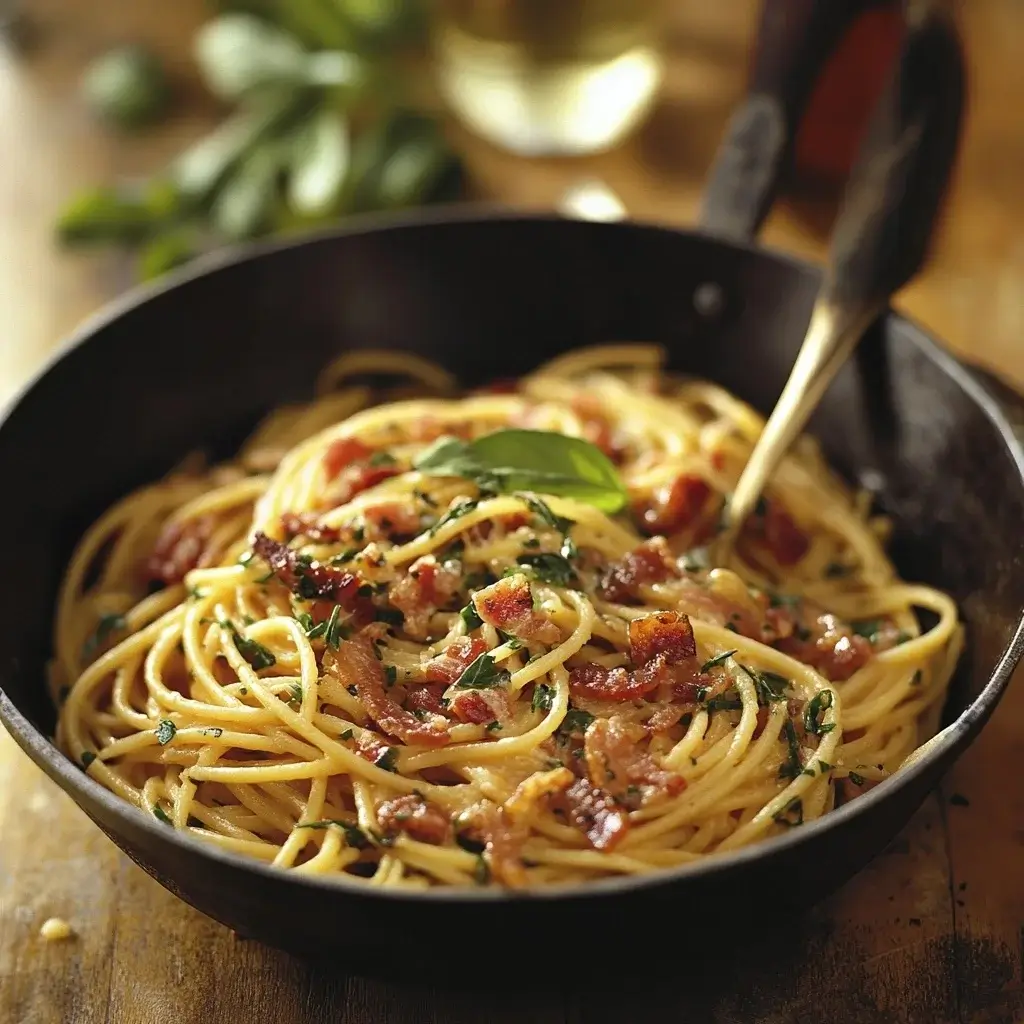
Spaghetti Carbonara is a classic Italian dish that has captured the hearts and taste buds of many food enthusiasts around the world. In this rendition, we are swapping out the traditional pancetta or guanciale with turkey bacon, offering a delightful twist on an old favorite. When I first tried this recipe, I was eager to see how my family would react to the substitution. To my delight, the turkey bacon added a unique smokiness and a slightly leaner texture that everyone enjoyed. The dish retained its creamy, rich flavor, and the turkey bacon provided a welcome alternative for those looking to reduce their red meat intake without sacrificing taste.
Ingredients
The ingredients for this Spaghetti Carbonara with turkey bacon are straightforward, yet they come together to create a dish that’s both simple and sophisticated. Here’s what you’ll need:
- 12 ounces of spaghetti
- 6 slices of turkey bacon
- 2 large eggs
- 1 cup of grated Parmesan cheese
- 1 teaspoon of freshly ground black pepper
- 2 cloves of garlic, minced
- 1 tablespoon of olive oil
- Salt, to taste
- Chopped parsley, for garnish (optional)
Instructions
Creating this delicious Spaghetti Carbonara with turkey bacon is a straightforward process. Follow these steps to ensure your dish turns out perfectly:
- Begin by filling a large pot with water, adding a generous pinch of salt, and bringing it to a boil. Add the spaghetti and cook until al dente, according to package instructions. Reserve 1 cup of pasta water, then drain the spaghetti and set it aside.
- While the pasta is cooking, heat the olive oil in a large pan over medium heat. Add the turkey bacon and cook until crispy, about 5-7 minutes. Remove the bacon from the pan and set it on a paper towel-lined plate to drain excess oil.
- In the same pan, add the minced garlic and sauté for about 1 minute, or until fragrant. Be careful not to burn the garlic, as it can become bitter.
- In a separate bowl, whisk together the eggs, Parmesan cheese, and black pepper until well combined.
- Return the cooked spaghetti to the pan with the garlic. Toss to coat the pasta in the garlic oil.
- Remove the pan from heat and quickly pour the egg and cheese mixture over the hot pasta, tossing continuously to create a creamy sauce. If the sauce is too thick, add some reserved pasta water, one tablespoon at a time, until the desired consistency is reached.
- Chop the cooked turkey bacon into bite-sized pieces and add it to the pasta, tossing to combine.
- Season with salt and more black pepper to taste.
- Serve immediately, garnished with chopped parsley if desired.
Nutrition Facts
This recipe serves four and provides approximately 450 calories per serving. The use of turkey bacon instead of traditional pork options makes it a slightly healthier alternative, while still delivering on flavor.
Preparation Time
The total preparation and cooking time for this Spaghetti Carbonara with turkey bacon is about 30 minutes. It’s a quick and easy meal that’s perfect for busy weeknights or a casual dinner with friends.
How to Serve
Spaghetti Carbonara with turkey bacon can be served in a variety of ways to enhance your dining experience, each method offering its unique charm and appeal. Here are some detailed serving suggestions to elevate your meal:
Classic Style
For a traditional dining experience, serve your Spaghetti Carbonara in a large, shallow bowl. This allows the pasta to shine and provides ample space for the creamy sauce to pool. Consider garnishing the dish with a generous amount of freshly grated Parmesan cheese, which can be presented on the side. Providing a cheese grater or a small dish of cheese encourages guests to sprinkle as they wish, allowing them to customize the flavor to their liking. Additionally, you might include a small bowl of freshly cracked black pepper for guests who enjoy an extra kick of spice.
Family Style
For a more relaxed, communal atmosphere, adopt a family-style serving method. Transfer the spaghetti into a large, attractive serving dish, allowing everyone to help themselves. This approach fosters a sense of togetherness and encourages conversation around the table. To make the serving experience even more enjoyable, provide tongs or a large serving fork for guests to easily serve themselves. This style not only promotes a casual dining experience but also allows guests to take as much or as little as they desire, accommodating different appetites.
Elegant Presentation
For a special occasion or dinner party, consider an elegant presentation of your Spaghetti Carbonara. Use a pair of tongs to twirl individual portions of pasta into nests and place them delicately on each plate. This refined technique creates an eye-catching display that showcases the creamy sauce and turkey bacon beautifully. To enhance the visual appeal, sprinkle each nest with freshly chopped parsley for a pop of color and a hint of freshness. A final touch of freshly cracked black pepper adds sophistication and aroma, inviting guests to indulge their senses.
With Garlic Bread
To create a complete and satisfying meal, serve your Spaghetti Carbonara alongside slices of warm garlic bread. The buttery, garlicky flavor of the bread complements the rich, creamy pasta perfectly. You can prepare the garlic bread by spreading a mixture of softened butter, minced garlic, and chopped parsley on slices of your favorite bread, then toasting them until golden brown. This addition not only enhances the meal’s flavor but also provides a delightful contrast in texture, with the crunch of the bread balancing the creaminess of the carbonara.
With a Side Salad
To balance the richness of the Spaghetti Carbonara, pair it with a crisp green salad dressed in a light vinaigrette. A simple salad featuring mixed greens, cherry tomatoes, and cucumber dressed with olive oil, balsamic vinegar, salt, and pepper can add a refreshing element to the meal. The acidity of the vinaigrette will cut through the creaminess of the pasta, providing a harmonious balance of flavors. You might also consider adding some toasted nuts or crumbled feta cheese for an extra layer of texture and taste. This combination not only offers a nutritional boost but also enhances the overall dining experience, making for a well-rounded meal.
By exploring these diverse serving methods, you can elevate your Spaghetti Carbonara with turkey bacon into an unforgettable culinary experience, whether you’re hosting a casual family dinner or an elegant gathering with friends. Each serving style encourages interaction and enjoyment, highlighting the delicious flavors of this classic Italian dish.
Additional Tips
Fresh Ingredients
When it comes to achieving the perfect flavor in your dish, the quality of your ingredients plays a pivotal role. Using fresh, high-quality Parmesan cheese is essential for elevating the overall taste of your sauce. Unlike fresh cheese, pre-grated options often contain anti-caking agents and preservatives that can alter the texture and flavor profile of your dish. Freshly grated Parmesan melts beautifully and integrates seamlessly into your sauce, providing a rich, nutty flavor that enhances every bite. To further enhance the cheese’s flavor, consider purchasing a wedge of Parmigiano-Reggiano, which has a more complex taste compared to standard supermarket brands. Grating it just before use will ensure maximum freshness and flavor.
Temperature Control
One of the most critical steps in ensuring your sauce turns out perfectly is managing the temperature when incorporating the egg mixture. It is essential to remove the pan from heat before adding the eggs to prevent them from scrambling. If the pan is too hot, the eggs can cook too quickly, resulting in a grainy texture rather than the silky, creamy sauce you desire. To achieve the perfect emulsion, let the residual heat of the pasta and sauce gently warm the egg mixture. This technique allows the eggs to thicken the sauce without curdling, ensuring a velvety finish that clings beautifully to the pasta.
Experiment with Flavors
Don’t hesitate to take your dish to the next level by experimenting with additional ingredients. Adding elements like peas, mushrooms, or even sautéed spinach can introduce new textures and flavors, making your meal more complex and enjoyable. For instance, peas provide a sweet pop that contrasts with the richness of the Parmesan, while mushrooms add an earthy depth that can complement the dish’s overall profile. Consider incorporating herbs such as fresh basil or parsley for a burst of freshness, or a sprinkle of red pepper flakes for those who enjoy a bit of heat. The key is to balance these new flavors with the original dish to maintain its integrity while enhancing its appeal.
Adjust Consistency
Finding the right consistency for your sauce is crucial for achieving a well-balanced dish. If you find that your sauce is too thick, don’t despair! Gradually add reserved pasta water—this starchy liquid is your secret weapon for adjusting the sauce’s texture. Start with a small amount and stir it in gently, observing how it affects the sauce’s consistency. The reserved pasta water not only helps in thinning out the sauce but also adds a bit of flavor and starchiness that can enhance the binding quality of the sauce to the pasta. This method allows you to achieve your desired level of creaminess without compromising the dish’s overall flavor.
Pre-cooking Prep
Preparation is key when it comes to cooking, especially for dishes that require quick execution. Before you even turn on the stove, take the time to prepare all your ingredients. This includes grating your cheese, chopping any vegetables, and measuring out your pasta and seasoning. Having everything in place ensures that you can move swiftly through the cooking process without pausing to chop or measure, which can lead to overcooking or burning your ingredients. Set up a mise en place—everything in its place—so that as soon as your pasta is cooked, you can seamlessly combine it with your sauce and additional ingredients. This not only enhances your cooking experience but also results in a more polished final dish.
FAQ Section
- Can I use a different type of pasta?
Yes, you can certainly substitute spaghetti with various types of pasta to suit your taste or dietary preferences. Some popular alternatives include fettuccine, which offers a broader, flat surface that can hold onto sauces well; bucatini, a thick spaghetti-like pasta with a hole running through the center that adds a unique texture; and penne, which is tubular and can capture bits of sauce within its ridges. When making a substitution, it is important to pay attention to the cooking time, as different pasta shapes may require different boiling durations. Always refer to the package instructions for the best results, and taste-test a minute or two before the suggested cooking time concludes to ensure your pasta reaches the desired al dente texture.
- What can I use instead of turkey bacon?
If turkey bacon is not readily available or does not align with your dietary preferences, there are several alternative options you can consider. Chicken bacon is a popular choice; it has a similar taste profile and texture but is lower in fat compared to traditional pork bacon. For those looking for a vegetarian or vegan alternative, tempeh bacon is an excellent substitute. Made from fermented soybeans, tempeh has a firm texture and can absorb flavors well when marinated and cooked. Other options include coconut bacon, made from crispy baked coconut flakes that impart a smoky flavor, or even sautéed mushrooms, which can provide a hearty and umami-rich element to your dish. Whichever alternative you choose, be sure to adjust cooking times to achieve the desired crispiness and flavor.
- How can I make this dish creamier?
If you prefer a creamier texture in your sauce, there are several methods to enhance the creaminess without compromising the integrity of traditional Carbonara. One straightforward way is to add a splash of heavy cream to the egg and cheese mixture before combining it with the hot pasta. This addition not only enriches the flavor but also helps create a silkier sauce. You can also consider incorporating additional cheese varieties, such as mascarpone or cream cheese, to achieve a richer consistency. Another option is to include a bit of reserved pasta cooking water, which helps emulsify the sauce, giving it a creamy texture while maintaining the original flavor profile. However, it’s important to note that traditional Carbonara relies solely on the emulsification of eggs and cheese, so any modifications should be made with consideration of the dish’s classic roots.
- Is it safe to eat the raw egg in the sauce?
The use of raw eggs in Carbonara can raise concerns regarding food safety, particularly regarding the risk of salmonella. However, the heat from the freshly cooked pasta is sufficient to gently cook the eggs, which helps to create a creamy sauce without the need for high heat that could scramble the eggs. If you still have reservations about consuming raw eggs, a safer alternative is to opt for pasteurized eggs. These eggs have been heat-treated to kill bacteria without cooking the egg itself, making them a safe choice for recipes that require raw or undercooked eggs. Additionally, ensuring that your eggs are fresh and sourced from reputable suppliers can further minimize any potential risks.
- Can I reheat leftovers?
Yes, you can reheat Carbonara leftovers, but it’s crucial to do so carefully to preserve the dish’s creamy texture and flavor. The best method is to gently reheat the pasta in a pan over low heat. Adding a splash of water or broth can help re-emulsify the sauce, bringing some moisture back into the dish and preventing it from drying out. Stir frequently to ensure even heating and avoid the risk of the sauce separating. Microwaving is not recommended, as it tends to heat the pasta unevenly, leading to a rubbery texture and a broken sauce. If you prefer, you can also add a bit more cheese or cream when reheating to enhance the creaminess of the dish and make it feel freshly made. Remember that Carbonara is best enjoyed fresh, so aim to consume leftovers within a couple of days for optimal taste and quality.