

Introduction
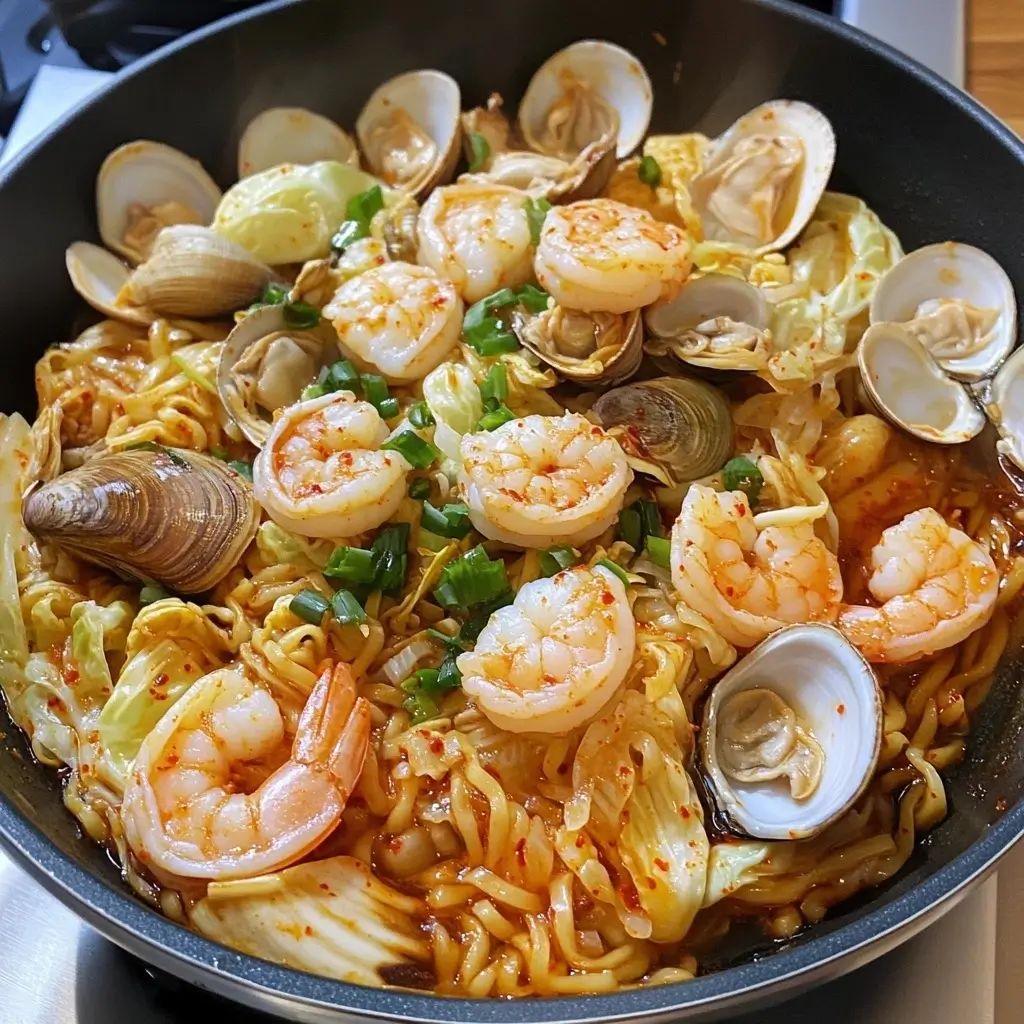
If you’ve ever been captivated by the bold, adventurous flavors of Korean cuisine, then Jjamppong is a dish you should definitely explore. This vibrant and spicy Korean-Chinese fusion dish is a seafood lover’s paradise, featuring an aromatic broth packed with a medley of seafood and vegetables. Jjamppong is not just a meal; it’s an experience that delights the senses with its fiery red color, tantalizing aroma, and umami-rich taste. Whether you’re a seasoned cook or a curious food enthusiast, this article will guide you through creating an authentic bowl of Jjamppong, ensuring your taste buds embark on a flavorful journey.
Ingredients
To create the perfect bowl of Jjamppong, you’ll need an assortment of fresh ingredients that contribute to the dish’s rich and complex flavors. Here’s what you’ll need:
- 8 oz. Korean fresh noodles
- 2 tbsp cooking oil
- 3 cloves garlic, minced
- 1/2 small onion, chopped
- 8 oz. medium shrimp
- 12 oz. Manila clams
- 4 oz. squid, cut into rings
- 4 oz. bay or sea scallops
- 4 tbsp gochujang Korean chili paste
- 1 tbsp gochugaru Korean chili powder
- 4 cups chicken or vegetable broth
- 4 oz. napa cabbage, chopped
- 4 oz. bok choy
- 1-2 tbsp soy sauce or to taste
- Salt to taste
- 2 scallions, sliced
Instructions
Creating Jjamppong at home is a rewarding experience. Follow these simple steps to bring this delightful dish to your kitchen:
- Prepare the Noodles:
- Cook the Korean fresh noodles according to the package instructions until they are slightly firm. Drain and set them aside.
- Sauté Aromatics:
- In a pot on high heat, add 2 tablespoons of cooking oil. Add the minced garlic and chopped onion, stir-frying until they become aromatic and slightly golden.
- Add Seafood and Spices:
- Introduce the medium shrimp, Manila clams, squid rings, and bay or sea scallops to the pot. Stir well, then add 4 tablespoons of gochujang and 1 tablespoon of gochugaru. Mix until the seafood is well-coated with the spicy paste.
- Simmer the Broth:
- Pour in 4 cups of chicken or vegetable broth. Add the chopped napa cabbage and bok choy. Bring the mixture to a boil, allowing the flavors to meld together.
- Season the Soup:
- Taste the broth and season with soy sauce and salt according to your preference. Adjust the flavors to your liking for the perfect balance of salty, spicy, and savory.
- Combine Noodles and Garnish:
- Add the cooked noodles to the soup, letting them simmer for about 30 seconds to absorb the flavors. Stir in the sliced scallions for a fresh, vibrant finish.
- Serve Hot:
- Ladle the Jjamppong into bowls and serve it piping hot. Enjoy the spicy, seafood-rich broth with every bite of the chewy noodles.
Nutrition Facts
Understanding the nutritional profile of Jjamppong can help you appreciate its healthful benefits:
- Serving Size: 1 bowl
- Calories: Approx. 300
- Protein: 25g
- Carbohydrates: 40g
- Fat: 7g
This nutritious bowl is high in protein, thanks to the seafood, and balanced with carbohydrates from the noodles, making it both satisfying and energizing.
How to Serve
Jjamppong, a beloved Korean noodle soup known for its spicy seafood broth, is best enjoyed as a standalone meal due to its hearty, filling nature. However, the dining experience can be significantly enhanced by thoughtfully pairing it with complementary side dishes. These accompaniments not only elevate the flavors of Jjamppong but also provide a more rounded and satisfying meal. Here’s a detailed look at how to serve Jjamppong effectively:
1. Kimchi
A quintessential Korean side dish, kimchi is a fermented vegetable dish typically made from napa cabbage and Korean radishes, seasoned with a blend of spices, garlic, ginger, and chili pepper. The tangy, spicy flavors of kimchi create a delightful contrast to the rich and savory broth of Jjamppong.
- Why It Works: The acidity and spice of kimchi can cut through the richness of the soup, refreshing the palate between bites. The fermentation process also adds depth and umami, enhancing the overall flavor experience.
- Serving Suggestion: Serve a small bowl of kimchi on the side, allowing diners to enjoy it as they wish. You can also offer a variety of kimchi types—such as radish kimchi (kkakdugi) or cucumber kimchi (oi sobagi)—to provide different textures and flavor profiles.
2. Pickled Radishes
Pickled radishes, known as “danmuji” in Korean, are another fantastic accompaniment to Jjamppong. These bright yellow, sweet-and-sour pickles offer a crisp and refreshing bite, making them an excellent palate cleanser.
- Why It Works: The crunchy texture and tangy flavor of pickled radishes balance the intense heat of the soup, providing a cooling contrast that enhances the overall dining experience. Their acidity helps to reset the taste buds, making each spoonful of Jjamppong feel new and exciting.
- Serving Suggestion: Present a small dish of pickled radishes alongside the Jjamppong. For added visual appeal, you can arrange them in a small bowl or on a decorative plate, showcasing their vibrant color.
3. Steamed Rice
While Jjamppong can be quite filling on its own, a small serving of steamed rice can be a great addition for those who might find the spice level overwhelming or prefer a milder taste.
- Why It Works: The neutral flavor of rice serves to temper the heat of Jjamppong, allowing diners to enjoy the soup without being overwhelmed by its spiciness. Additionally, the rice can absorb some of the flavorful broth, making each bite more satisfying.
- Serving Suggestion: Offer a small bowl of plain steamed rice on the side. Diners can add a scoop of rice into their soup or enjoy it alongside, creating a customized experience that suits their preferences.
4. Additional Side Dishes
While kimchi, pickled radishes, and steamed rice are excellent choices, consider including a few other traditional Korean side dishes to further enhance the meal:
- Korean Pancakes (Pajeon): These savory pancakes, often made with scallions and seafood, complement the flavors of Jjamppong and provide a delightful textural contrast. Their crispy exterior and soft interior create a satisfying bite.
- Tofu Salad: A light tofu salad dressed with sesame oil and soy sauce can add a refreshing element to the meal, providing a source of protein that balances the seafood-heavy Jjamppong.
- Spicy Cucumber Salad (Oi Muchim): This dish is made from cucumbers tossed in a spicy sesame dressing. Its refreshing crunch and zesty flavor can brighten up the meal, making it a perfect counterpoint to the rich broth.
Serving Jjamppong is about more than just presenting a bowl of soup; it’s about creating a harmonious dining experience that brings together a variety of flavors and textures. By thoughtfully pairing Jjamppong with traditional Korean side dishes like kimchi, pickled radishes, steamed rice, and perhaps even adding extra items like Korean pancakes or salads, you can enhance the meal and provide a delightful experience that showcases the richness of Korean cuisine. Whether enjoyed solo or with these delicious accompaniments, Jjamppong remains a comforting and satisfying dish that warms the heart and tantalizes the taste buds.
Additional Tips
To ensure that your Jjamppong reaches its fullest potential in flavor and presentation, here are some detailed tips that will elevate your cooking experience:
Seafood Freshness
When preparing Jjamppong, the quality and freshness of your seafood are paramount. Here are some considerations to keep in mind:
- Sourcing Fresh Seafood: Visit your local fish market or a trusted grocery store that has a reputation for high-quality seafood. Look for bright, clear eyes on fish, a fresh ocean scent, and firm, shiny flesh. If you’re purchasing shellfish, ensure they are alive (e.g., clams and mussels should close tightly when tapped).
- Seasonal Selections: Depending on the season, different seafood will be at its peak freshness. For instance, summer is great for lighter seafood options like shrimp and squid, while winter may offer heartier varieties like clams and crabs. Tailor your Jjamppong to include what’s freshest and in season.
- Proper Storage: Keep your seafood refrigerated and use it as soon as possible. If you need to store it, place it in a bowl covered with ice to maintain optimal freshness. Avoid letting seafood sit in water, which can compromise its texture and flavor.
Spice Level
Jjamppong is known for its bold and spicy flavors, but personal preferences vary significantly. Here are some strategies to customize the heat level to suit your taste:
- Starting Small: If you’re new to spicy foods or unsure of your tolerance, begin with a smaller amount of gochujang (Korean chili paste) and gochugaru (Korean chili flakes). You can always add more, but it’s challenging to adjust if you’ve overdone the spice.
- Balancing Flavors: When adjusting spice levels, consider the balance of other flavors. If you find the soup too spicy, adding a touch of sugar or honey can help counteract the heat, as sweetness can mellow out the intensity of the chili.
- Custom Spice Blends: Create your own spice blend by mixing gochujang and gochugaru with other spices like garlic powder or onion powder. This will allow you to introduce layers of flavor while controlling the heat.
- Toppings for Heat: Consider garnishing your Jjamppong with sliced fresh chilies or a drizzle of chili oil. This way, each person can customize their bowl, adding just the right amount of heat according to their preference.
Broth Variations
The broth is the heart of any Jjamppong, and opting for the right base is crucial to achieving a rich and flavorful soup. Here are some ideas to enhance your broth:
- Using Seafood Broth: For a more pronounced seafood flavor, use a homemade or store-bought seafood broth as your base. To make your own, simmer shrimp shells, fish bones, and aromatic vegetables (like garlic, ginger, and scallions) in water for about 30-45 minutes. Strain and use this broth to cook your Jjamppong for a depth of flavor that store-bought broths often lack.
- Infusing Flavors: Enhance your broth by adding ingredients such as dried anchovies or seaweed (like kombu) during the simmering process. These ingredients will impart umami flavors, making your broth richer and more complex.
- Experimenting with Broth Types: If you’re feeling adventurous, try mixing different types of broth. For instance, combining seafood broth with a little chicken broth can create a unique flavor profile that remains comforting and satisfying.
- Herbs and Aromatics: Consider adding herbs like cilantro or green onions right before serving for a fresh burst of flavor. A splash of sesame oil can also provide a nutty undertone that complements the spices beautifully.
By implementing these additional tips, your Jjamppong can be transformed into a dish that not only showcases the freshness and quality of your ingredients but also caters to your personal tastes. Enjoy the process of creation and the delightful results that follow!
FAQs
Q: Can I make Jjamppong vegetarian or vegan?
A: Absolutely! Substitute the seafood with tofu or mushrooms for a vegetarian version. Use vegetable broth and ensure the gochujang and gochugaru you choose are vegan-friendly.
Q: How can I store leftovers?
A: Store leftover Jjamppong in an airtight container in the refrigerator for up to 2 days. Reheat on the stove, adding a splash of broth or water to maintain the soup’s consistency.
Q: Where can I find Korean noodles and chili paste?
A: Korean noodles, gochujang, and gochugaru can be found in most Asian grocery stores or online. Look for stores specializing in Korean or Asian products for the best selection.
Q: Can I use other types of seafood?
A: Yes, feel free to customize your Jjamppong by using other seafood like mussels, fish, or crab. Just ensure they’re fresh and adjust cooking times accordingly.
Conclusion
Jjamppong is more than just a dish; it’s a celebration of flavors that showcases the richness of Korean cuisine. This vibrant and hearty seafood noodle soup encapsulates the essence of Korean culinary traditions, where balance and harmony of flavors are paramount. With its perfect blend of spicy, savory, and umami tastes, Jjamppong is not only a feast for the palate but also a visual delight, with its striking red broth and colorful assortment of seafood and vegetables.
The allure of Jjamppong lies in its versatility. While the traditional recipe features a medley of seafood, including shrimp, clams, and squid, the dish can easily be adapted to suit personal preferences or dietary restrictions. For those who may not be fond of seafood, a meat-based version using chicken or beef can be equally satisfying, while vegetarians can opt for tofu and an array of seasonal vegetables. This adaptability makes Jjamppong a perfect choice for any occasion, whether it’s an intimate dinner for two or a lively gathering with friends and family.
Moreover, the preparation of Jjamppong is an engaging culinary experience that allows cooks to experiment with flavors and techniques. The process begins with creating a rich and aromatic broth, often derived from simmering seafood and vegetables, which forms the foundation of the dish. The addition of gochugaru (Korean red chili pepper flakes) not only imparts a vibrant color but also infuses the soup with a warm heat that can be adjusted according to personal taste. The art of balancing the spiciness with savory elements like soy sauce, garlic, and ginger is what elevates Jjamppong from a simple noodle soup to a tantalizing dish that excites the senses.
The final presentation of Jjamppong is also an integral part of the dining experience. A bowl of Jjamppong is typically garnished with fresh vegetables, such as carrots and green onions, and served piping hot, allowing the flavors to meld beautifully. The sight of steaming noodles intertwined with a bounty of seafood, all enveloped in a luscious broth, is sure to whet the appetite and stimulate conversation around the table.
In addition, Jjamppong carries cultural significance in Korea, often enjoyed in casual dining settings or as a late-night snack after a night out. Its comforting nature makes it a beloved choice during colder months, providing warmth and nourishment. Sharing a bowl of Jjamppong can also foster a sense of community and connection, as friends and family gather to enjoy this delightful dish together.
As you gather your ingredients and prepare to craft this exquisite soup, remember that Jjamppong is not just a recipe; it’s an invitation to explore the depths of Korean flavors and the joy of cooking. Whether you’re cooking for yourself or a group of friends, Jjamppong promises an unforgettable dining experience that’s as exciting to make as it is to eat. So roll up your sleeves, embrace the process, and let your taste buds embark on a spicy, aromatic adventure that celebrates the heart and soul of Korean cuisine. You may just find that Jjamppong becomes a cherished staple in your culinary repertoire, inviting you back to the kitchen time and time again.
Print
Jjamppong (The Ultimate Spicy Korean Seafood Noodle Soup) recipe
Ingredients
- 8 oz. Korean fresh noodles
- 2 tbsp cooking oil
- 3 cloves garlic, minced
- 1/2 small onion, chopped
- 8 oz. medium shrimp
- 12 oz. Manila clams
- 4 oz. squid, cut into rings
- 4 oz. bay or sea scallops
- 4 tbsp gochujang Korean chili paste
- 1 tbsp gochugaru Korean chili powder
- 4 cups chicken or vegetable broth
- 4 oz. napa cabbage, chopped
- 4 oz. bok choy
- 1–2 tbsp soy sauce or to taste
- Salt to taste
- 2 scallions, sliced
Instructions
- Prepare the Noodles:
- Cook the Korean fresh noodles according to the package instructions until they are slightly firm. Drain and set them aside.
- Sauté Aromatics:
- In a pot on high heat, add 2 tablespoons of cooking oil. Add the minced garlic and chopped onion, stir-frying until they become aromatic and slightly golden.
- Add Seafood and Spices:
- Introduce the medium shrimp, Manila clams, squid rings, and bay or sea scallops to the pot. Stir well, then add 4 tablespoons of gochujang and 1 tablespoon of gochugaru. Mix until the seafood is well-coated with the spicy paste.
- Simmer the Broth:
- Pour in 4 cups of chicken or vegetable broth. Add the chopped napa cabbage and bok choy. Bring the mixture to a boil, allowing the flavors to meld together.
- Season the Soup:
- Taste the broth and season with soy sauce and salt according to your preference. Adjust the flavors to your liking for the perfect balance of salty, spicy, and savory.
- Combine Noodles and Garnish:
- Add the cooked noodles to the soup, letting them simmer for about 30 seconds to absorb the flavors. Stir in the sliced scallions for a fresh, vibrant finish.
- Serve Hot:
- Ladle the Jjamppong into bowls and serve it piping hot. Enjoy the spicy, seafood-rich broth with every bite of the chewy noodles.
Nutrition
- Serving Size: one normal portion
- Calories: Approx. 300
- Fat: 7g
- Carbohydrates: 40g
- Protein: 25g